An hour walking through Santa Ana revealed far more than colorful walls. We found murals that speak to everyday life, faith, history, culture, education, and the environment, all woven into a neighborhood that feels layered, lived-in, and full of stories. Along the way, we also learned an important lesson about exploring a new city when a police officer quietly warned us away from one street. It was a reminder that getting to know a place means paying attention not just to what is beautiful, but also to what the neighborhood itself is telling you.
by Kurt Grafton
Today we did something that is quickly becoming one of my favorite parts of living in Panama: we walked without much of an itinerary.
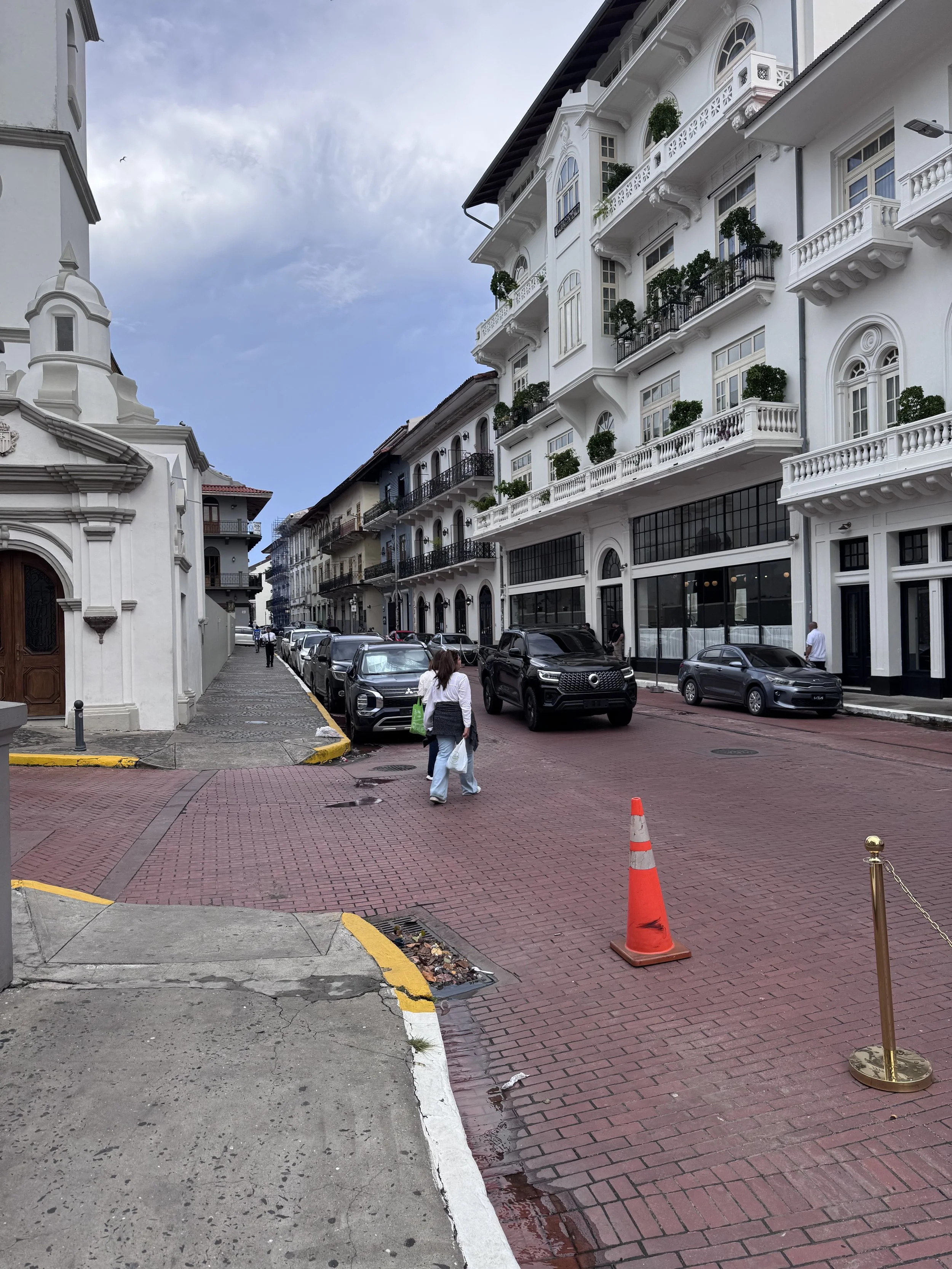
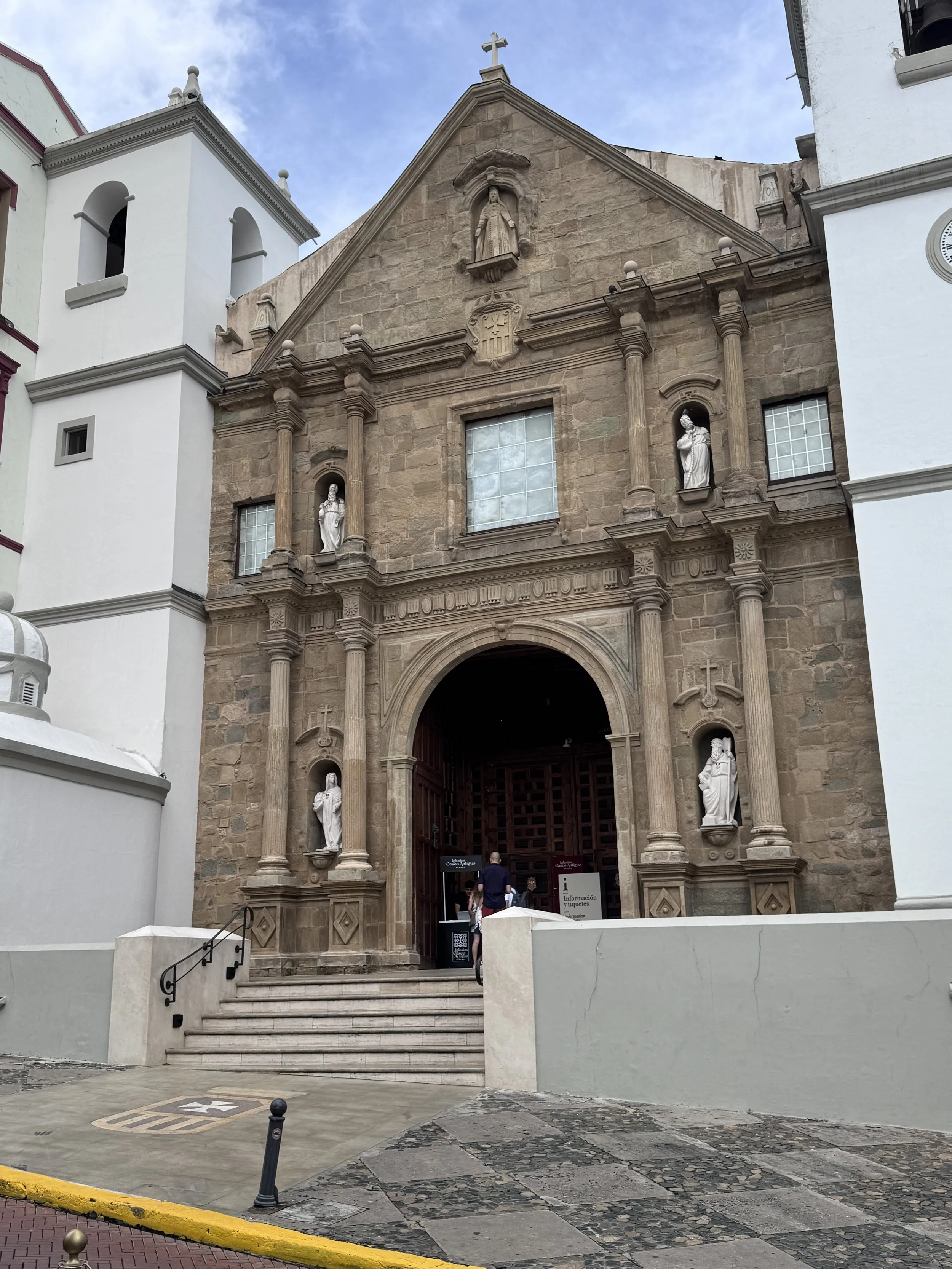
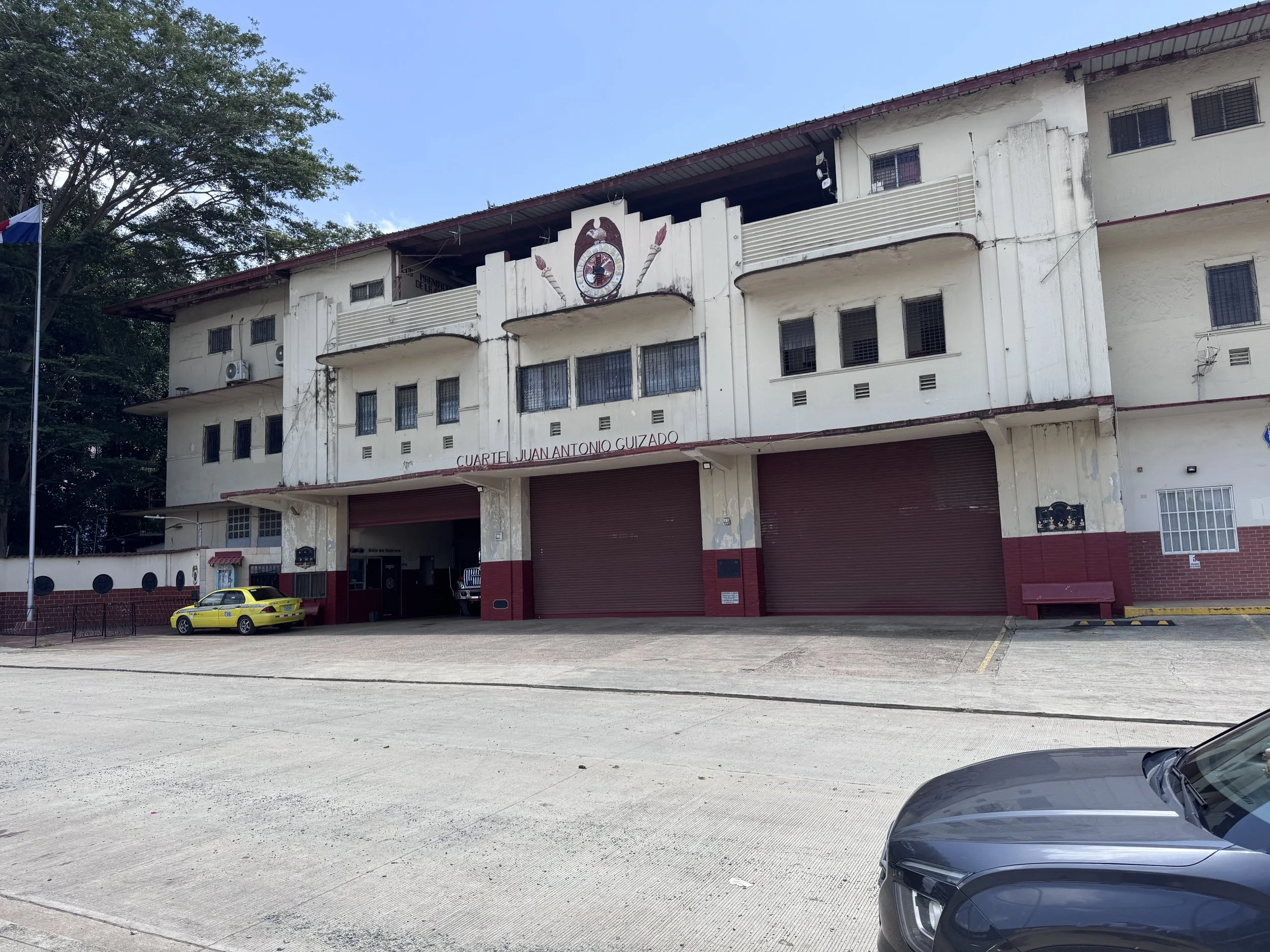
We left Casco View and wandered through the streets around Santa Ana, paying attention to whatever caught our eye rather than trying to reach a particular attraction. Within a few blocks, the neighborhood began telling its own story through aging buildings, tropical vegetation, public monuments, and especially the art painted across walls, storefronts, homes, and entire sides of buildings.
Santa Ana is not polished in the way Casco Viejo can be. There are buildings showing decades of wear alongside explosions of color, newer artwork beside faded paint, and streets where the character can change noticeably within a block or two. That contrast is part of what made the walk interesting. We weren't seeing a curated version of Panama City. We were seeing a neighborhood that people actually live in.
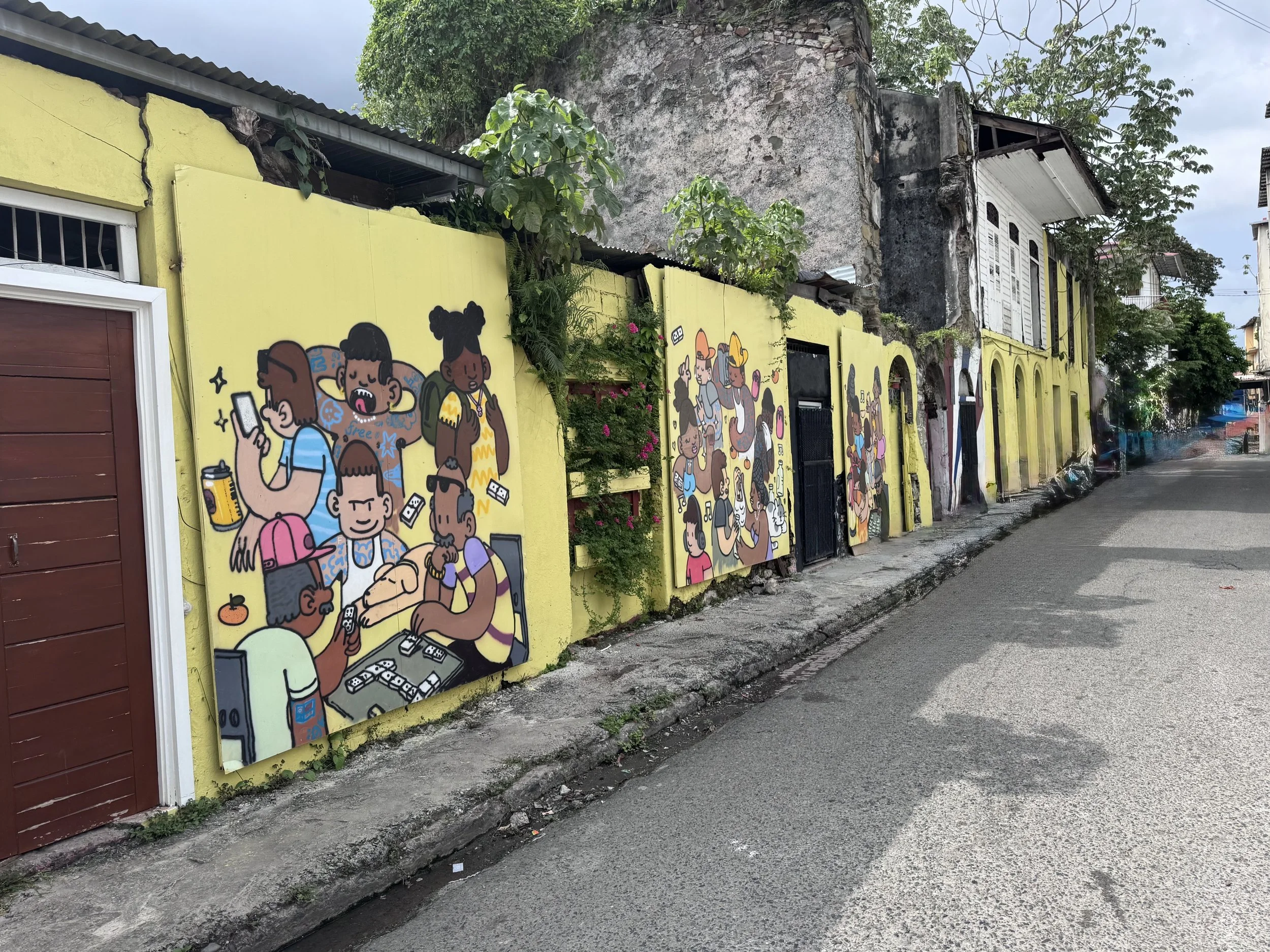
A long yellow wall covered with multiple cartoon-style scenes depicting people, conversation, everyday activity, and neighborhood life. The imagery feels informal and social, giving the street the look of an outdoor illustrated story.
One of the first things that struck me was how naturally the art belongs to the neighborhood. These are not framed pieces separated from daily life. Murals occupy walls beside front doors, shutters, utility wires, storefronts and sidewalks. They become part of the architecture.
That is not entirely accidental. Santa Ana has been the focus of several organized mural initiatives over the years. In 2018, for example, an arts initiative associated with Universidad del Arte Ganexa brought national and international artists into Santa Ana to create works centered on identity, including Panamanian ethnic groups, historical figures, women and children. Then in 2019, the first Panamá Mural Fest brought roughly 30 muralists into Santa Ana and neighboring El Chorrillo with the idea of turning the area into what organizers described as an open-air “route-museum.”
Knowing that changed the way I looked at what was around us. What at first appeared to be a collection of unrelated paintings began to feel more like an ongoing conversation between artists and the neighborhood.
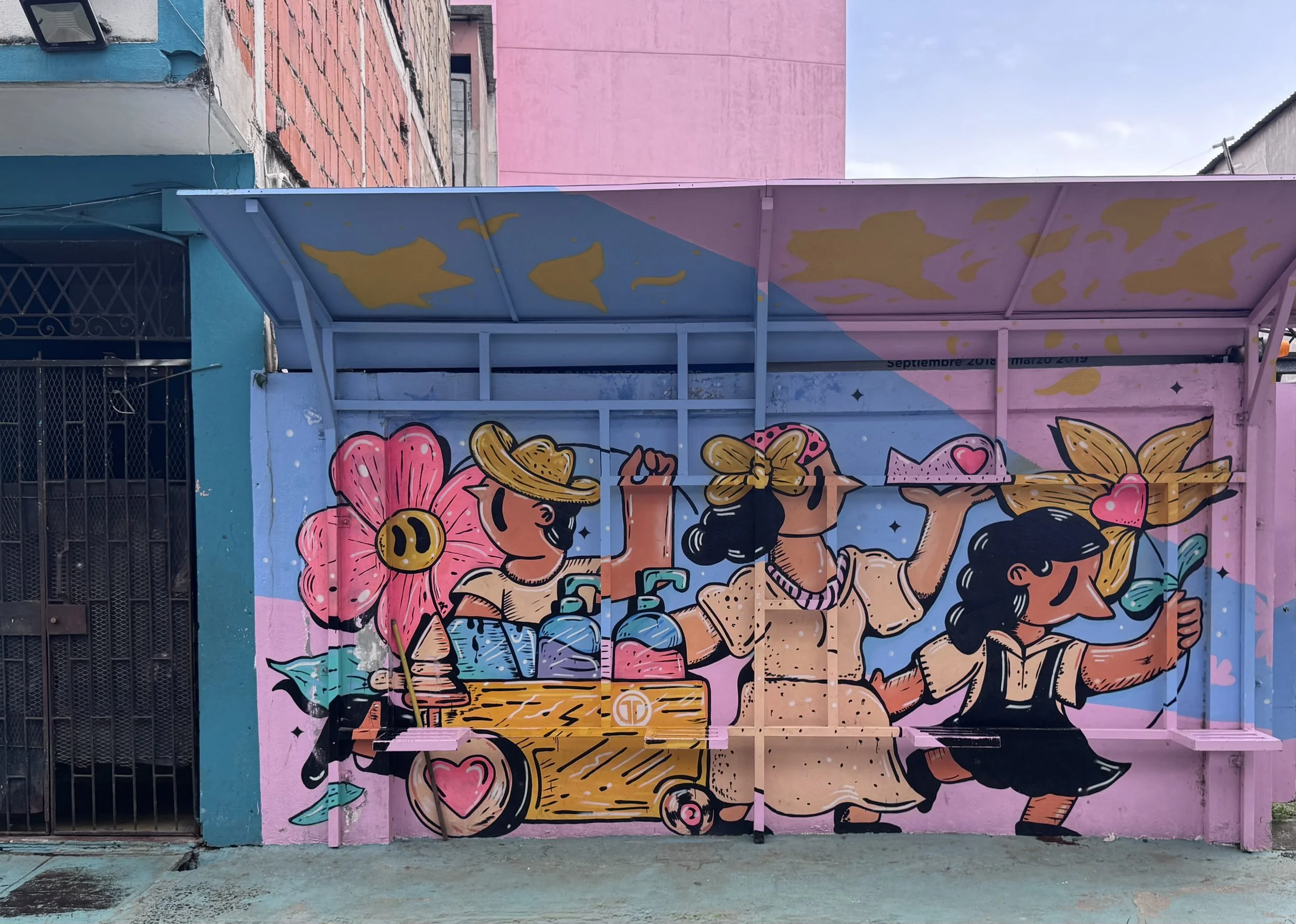
A bright, playful mural featuring stylized neighborhood characters, oversized flowers, and a small street cart. The colors and cartoon-like style give the wall a cheerful, community-centered feel and reflect the everyday life that often becomes part of Santa Ana’s public art.
Some of the work is playful. This mural at a bus stop, with its oversized flowers, street-vendor imagery and bright pinks and blues, immediately caught our attention. I have not been able to verify the individual artist from the image alone, so I would rather leave that attribution open. But visually it feels rooted in everyday street life rather than monumental history. The characters, food and cart imagery give it an almost storybook quality while still belonging completely to the streets around it.
That mix of ordinary life and public art became a recurring theme throughout the walk.
A World Painted on a Wall
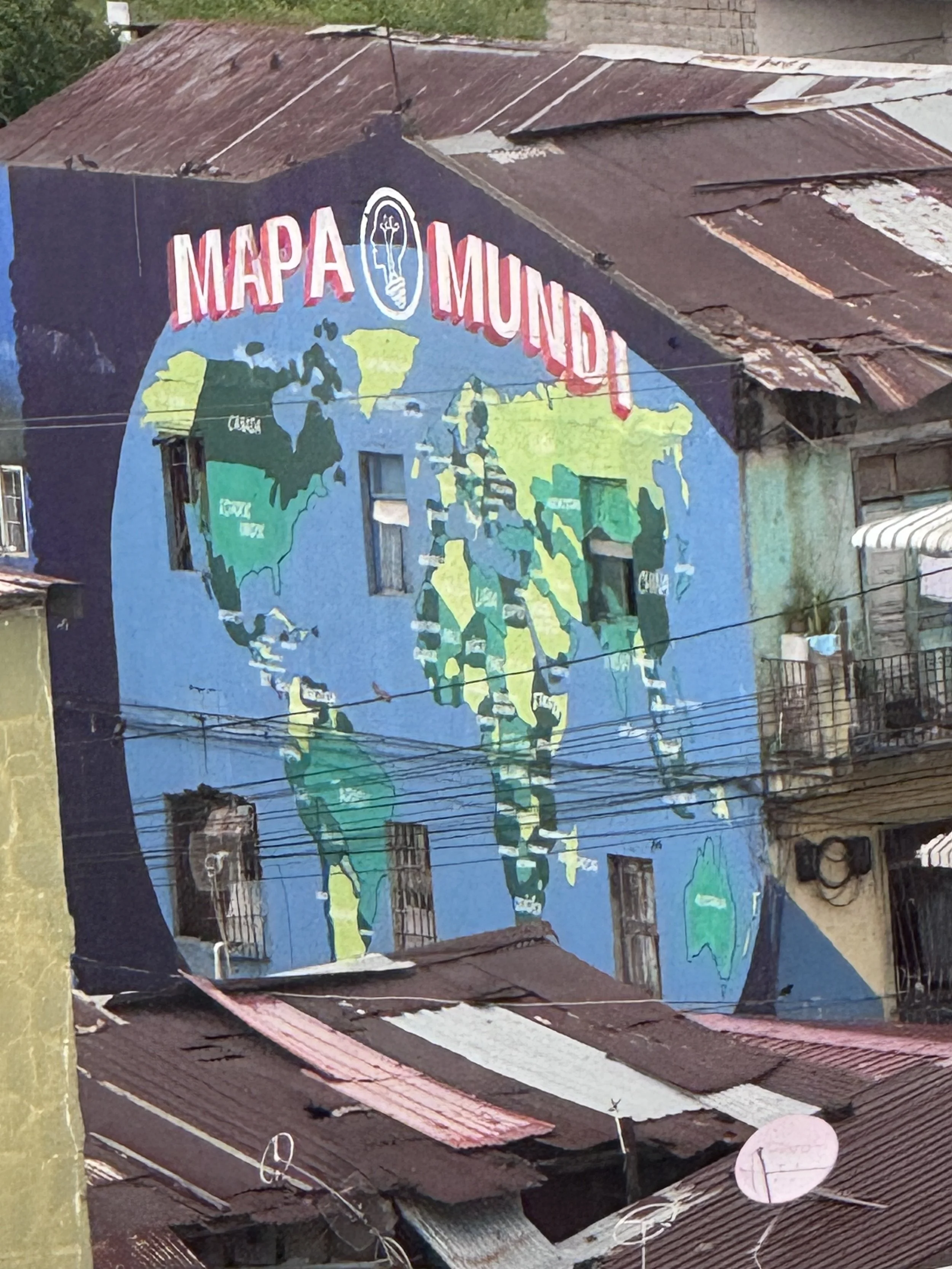
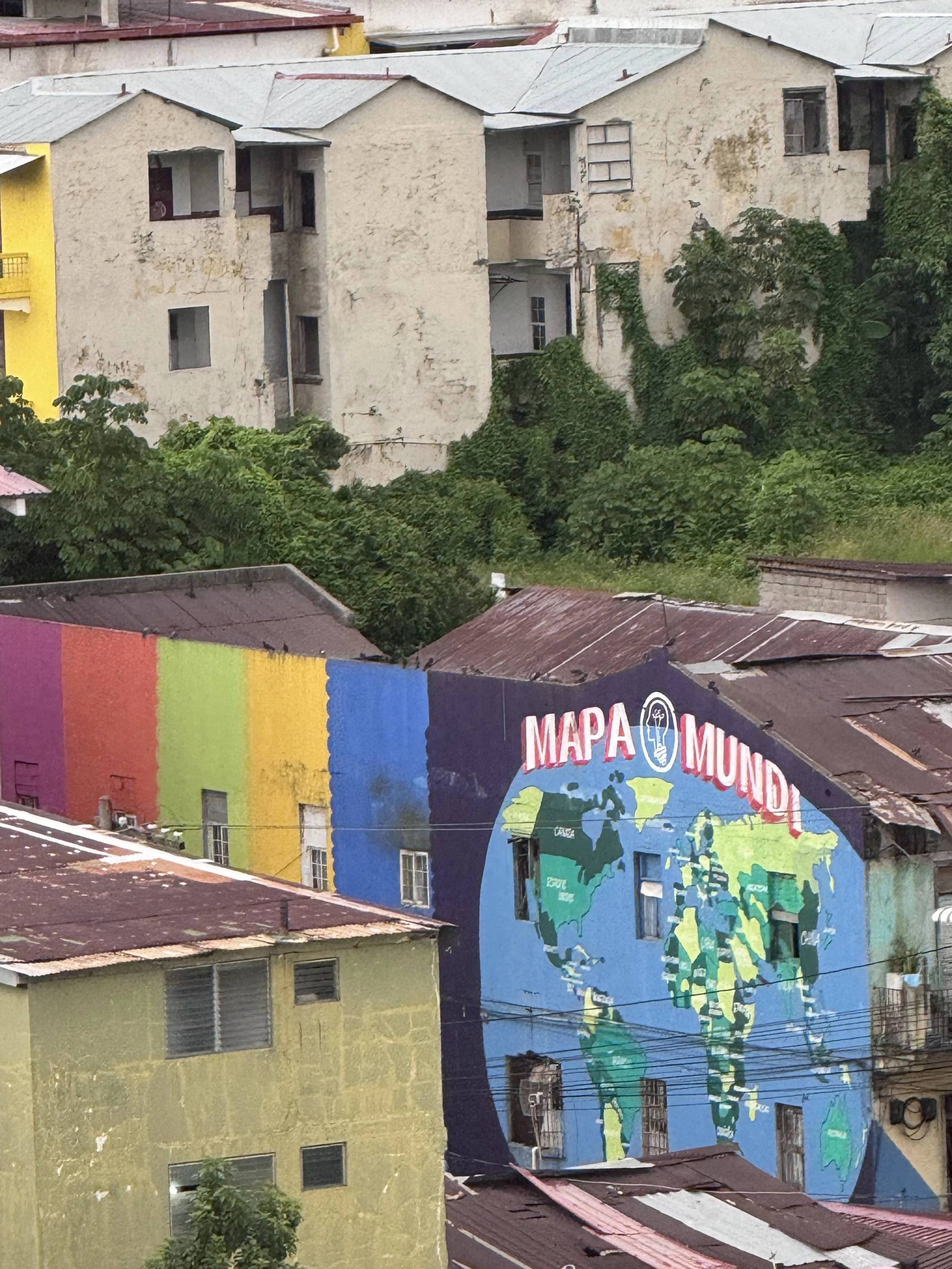
A view of the world-map mural showing how it sits within the surrounding Santa Ana neighborhood. The colorful wall contrasts with weathered roofs, older buildings, and dense greenery, giving a stronger sense of how public art is woven into the everyday streetscape.
Then there was the enormous Mapa Mundi mural. From a distance, it dominates the side of the building. Up close, the continents become part of the structure itself, interrupted by windows, doors and the wear that comes from being exposed to the neighborhood rather than protected inside a museum.
This one appears to have a more specific educational purpose. In 2023, a Panama program called “A prender tu mente” announced plans to place educational graffiti and murals in communities considered socially vulnerable. Its first planned installation was in Santa Ana, and the program specifically described a world map painted on a wall as one of its educational concepts. The project was created by television producer Ubaldo Davis with support from Panama's Ministry of Culture, the Panama Canal Authority and Banco Nacional, with the goal of encouraging critical and creative thinking among children and young people.
What I like about it is the idea behind it. A world map in a neighborhood like Santa Ana is more than decoration. It puts the world literally on the wall in front of children who pass it every day. It suggests that the neighborhood may be where you begin, but it does not have to define the limits of what you can imagine.
That resonated with me for obvious reasons. Here we are beginning our own life abroad, walking a Panama City neighborhood while looking at a painting of the world.
Art That Teaches
Not far away was another mural that seemed designed less to decorate than to teach.
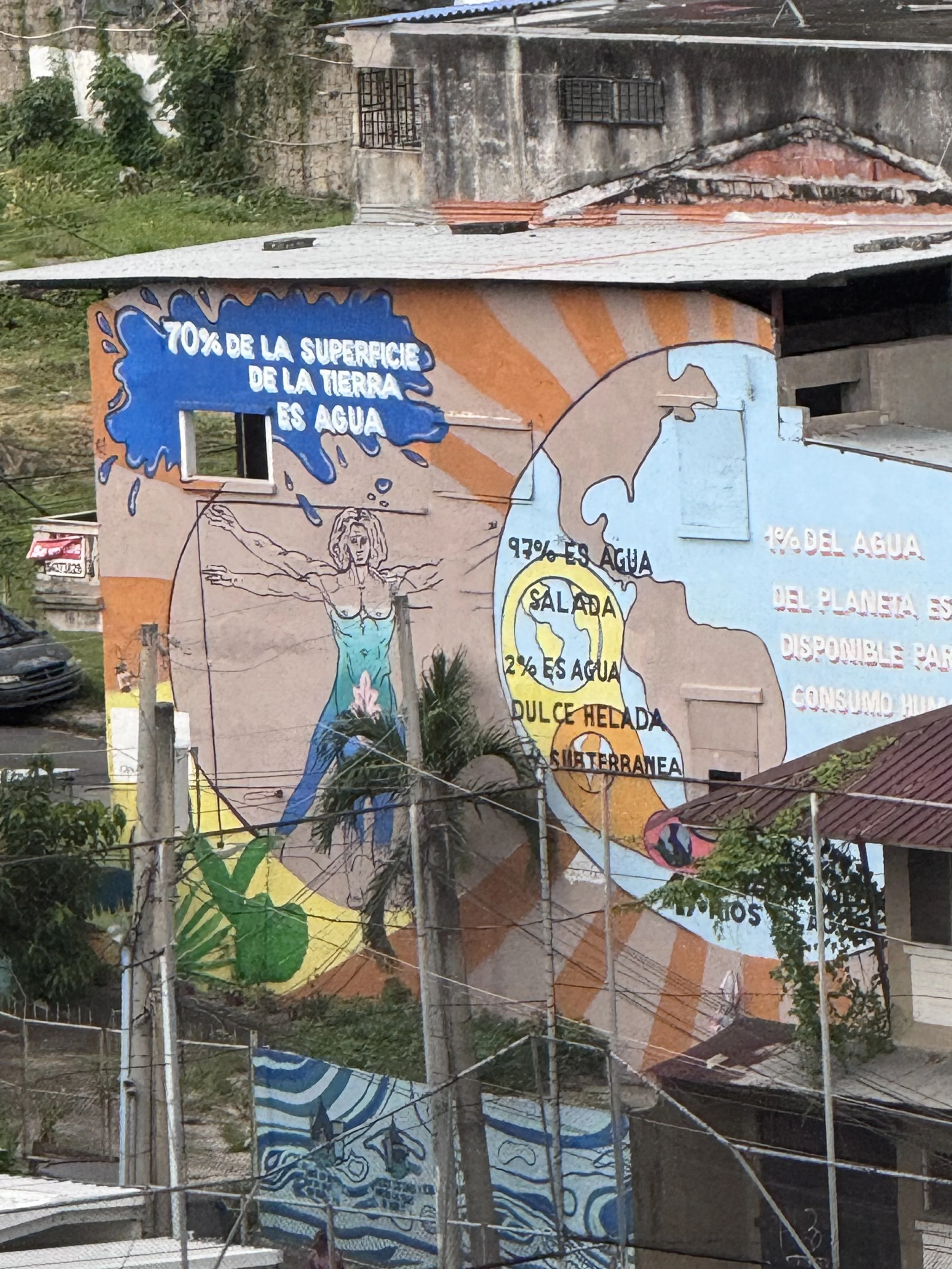
An educational mural centered on the importance of water, with a large image of the earth and statistics about how much of the planet’s surface is covered by water and how little is available for human consumption. It is a good example of public art being used not only for decoration, but also to teach.
Across the wall is a large representation of the earth along with messages about water: that roughly 70% of the earth's surface is covered by it, and reminders about how little of the planet's water is actually available for human use.
I have not found reliable attribution for this particular mural, but the message is unmistakably environmental. That also fits a longer tradition of community mural work in Santa Ana. As far back as 2014, the organization Sembrarte was working in the neighborhood with local foundations, using murals and community painting projects to bring color to public spaces while communicating messages about environmental awareness and values. One of the organizers described Panama itself as their canvas.
That gave this mural more context for me. Some of what we were seeing wasn't simply street art for street art's sake. The walls have also been used as classrooms.
Panama Painted Onto Panama
Some murals turned the focus inward—from the world and the environment back toward Panama itself.
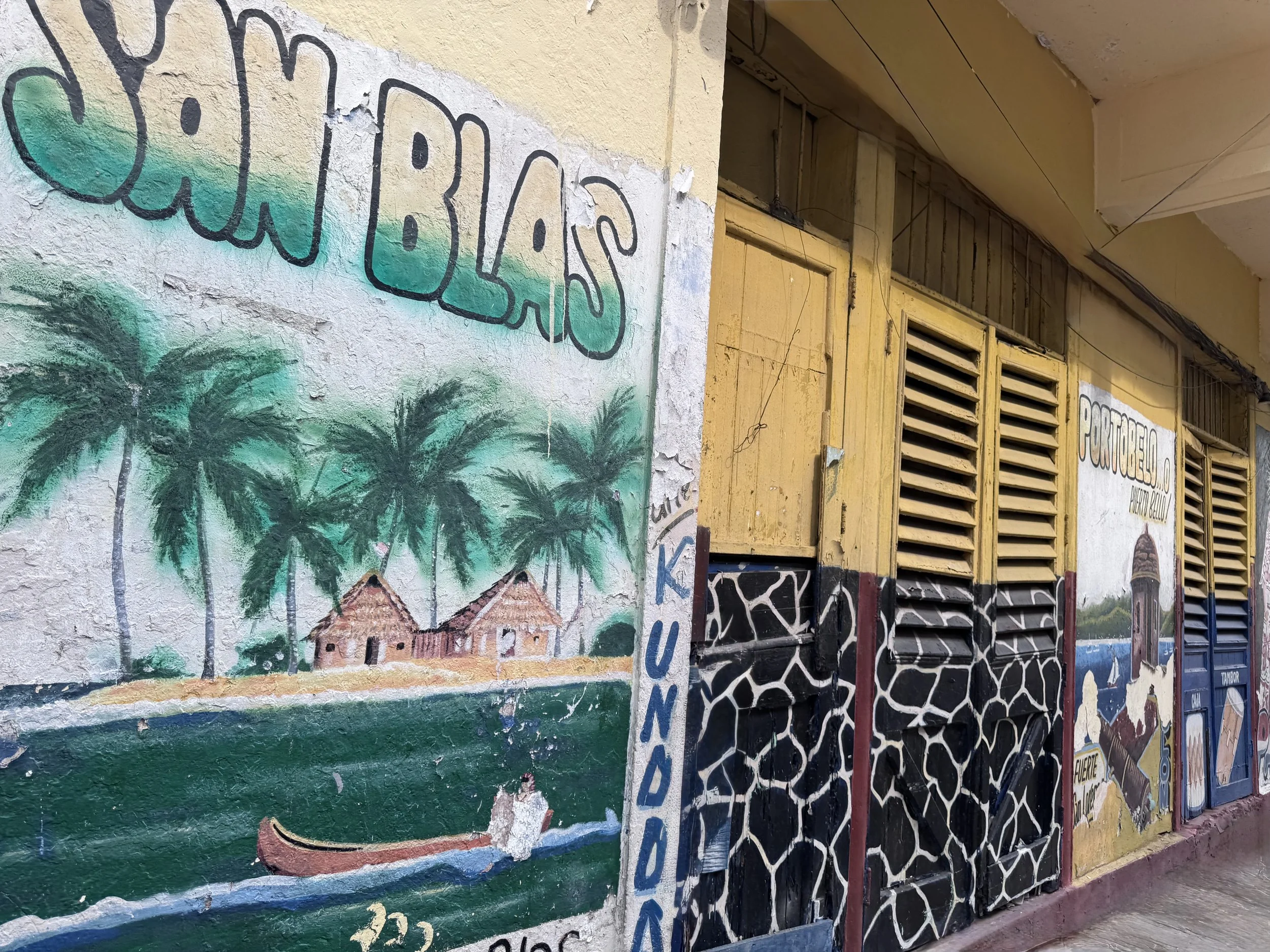
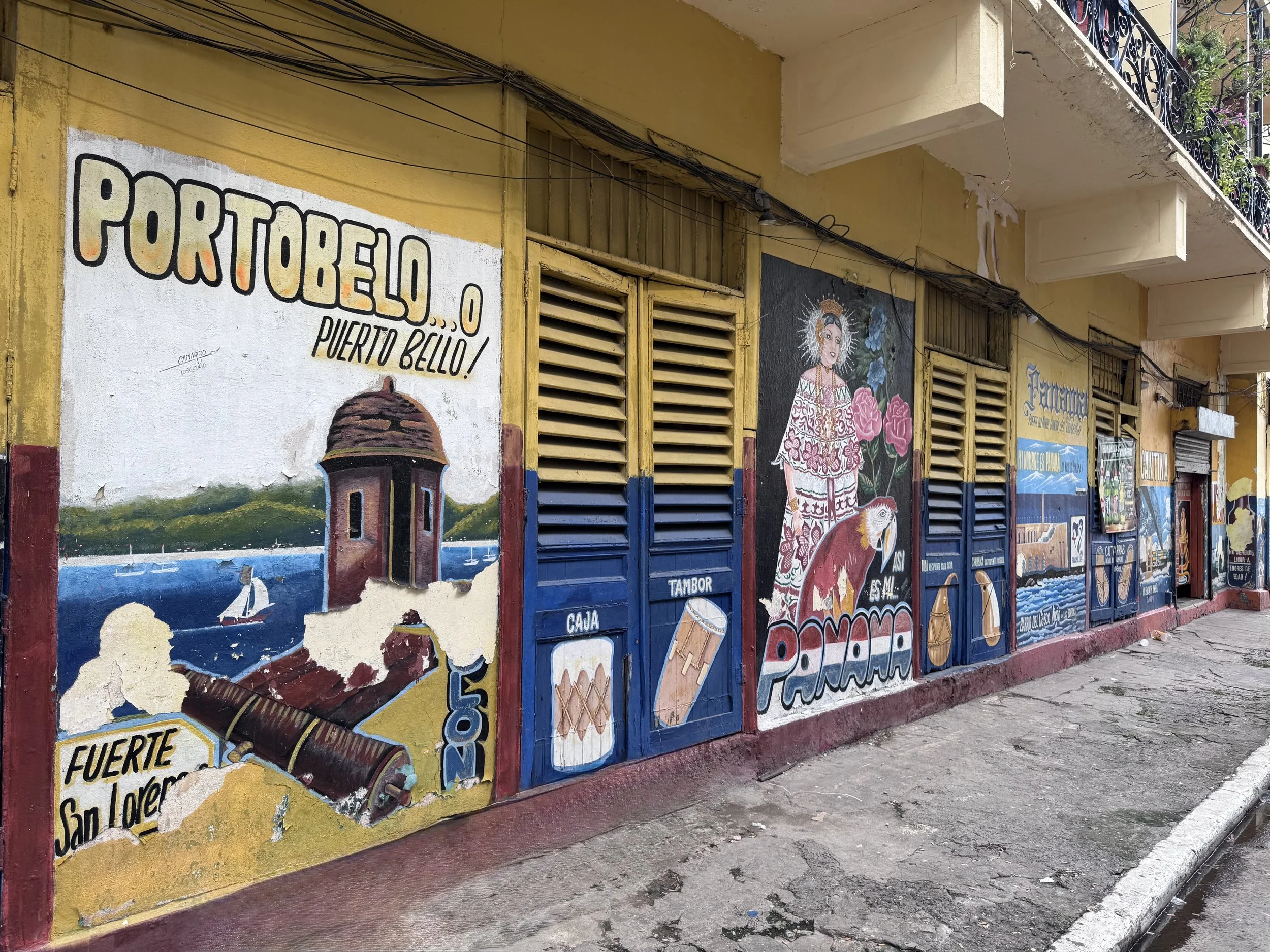
A long mural celebrating Panamanian identity through images of Portobelo, Fuerte San Lorenzo, traditional dress, music, coastal landscapes, and national symbols. It reads almost like a painted timeline of Panama’s cultural and historical heritage.
This wall may have been my favorite because there is so much going on in it. One section depicts Portobelo and Fuerte San Lorenzo, while other panels reference traditional Panamanian culture through imagery of the pollera, drums, coastal scenes and other symbols.
The Portobelo and San Lorenzo references connect the mural to a much deeper part of Panama's history. The fortifications on Panama's Caribbean coast were developed largely during the 17th and 18th centuries by the Spanish Crown to protect one of the most important transisthmian trade routes in the Americas. Portobelo became a major Caribbean port through which wealth crossed the isthmus before continuing to Spain, while San Lorenzo guarded the mouth of the Chagres River. UNESCO designated the Portobelo-San Lorenzo fortifications a World Heritage Site in 1980.
Seeing that history painted on an everyday building rather than displayed in a museum made it feel different. The artwork is almost saying: this history belongs here. You walk past a drum, a fort, a traditional dress or a Caribbean scene and are reminded that Panama's identity did not begin with the modern skyline or the Canal.
It is layered.
Indigenous history. Spanish colonial history. Afro-Panamanian history. Caribbean influence. Migration. Trade. The Canal. Modern Panama.
The walls seem to carry pieces of all of it.
Some Art Doesn't Need an Explanation
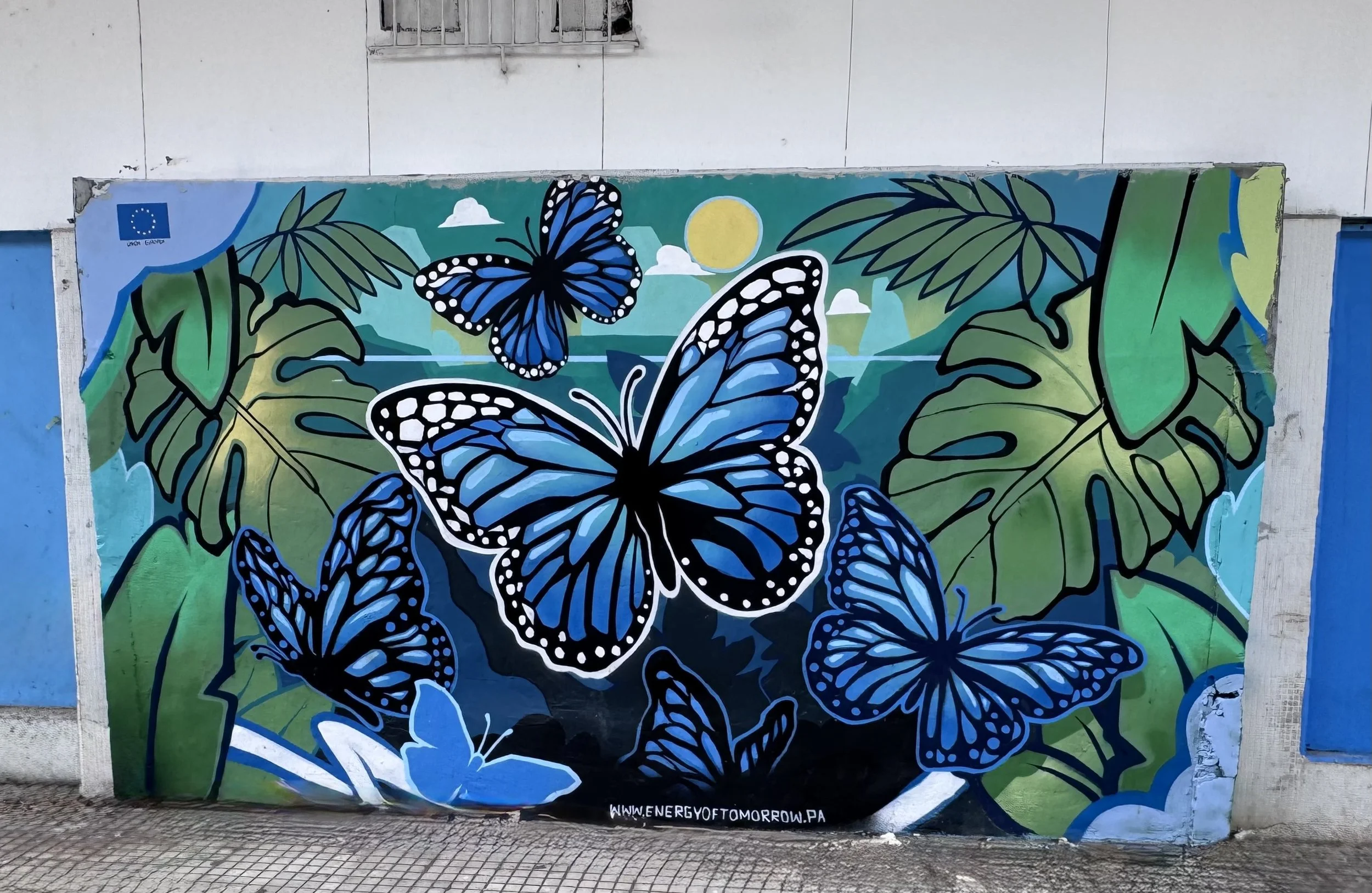
A vivid nature-themed mural filled with large blue butterflies and tropical leaves. The composition is clean and striking, and the butterflies naturally evoke ideas of transformation, movement, and change, even if the artist’s intended meaning is not known.
And then there are murals that simply stop you because of their color or imagination. The butterfly mural is one of those. Huge blue butterflies surrounded by tropical leaves take over an otherwise ordinary wall. I couldn't verify the artist beyond the web address visible on the artwork, so I wouldn't speculate about its creator or intended symbolism.
But butterflies almost inevitably suggest transformation, and that interpretation felt appropriate to me given where we are in life right now. Whether that was the artist's intention or simply what I brought to it, it was another reminder that viewers become part of the meaning of public art too.
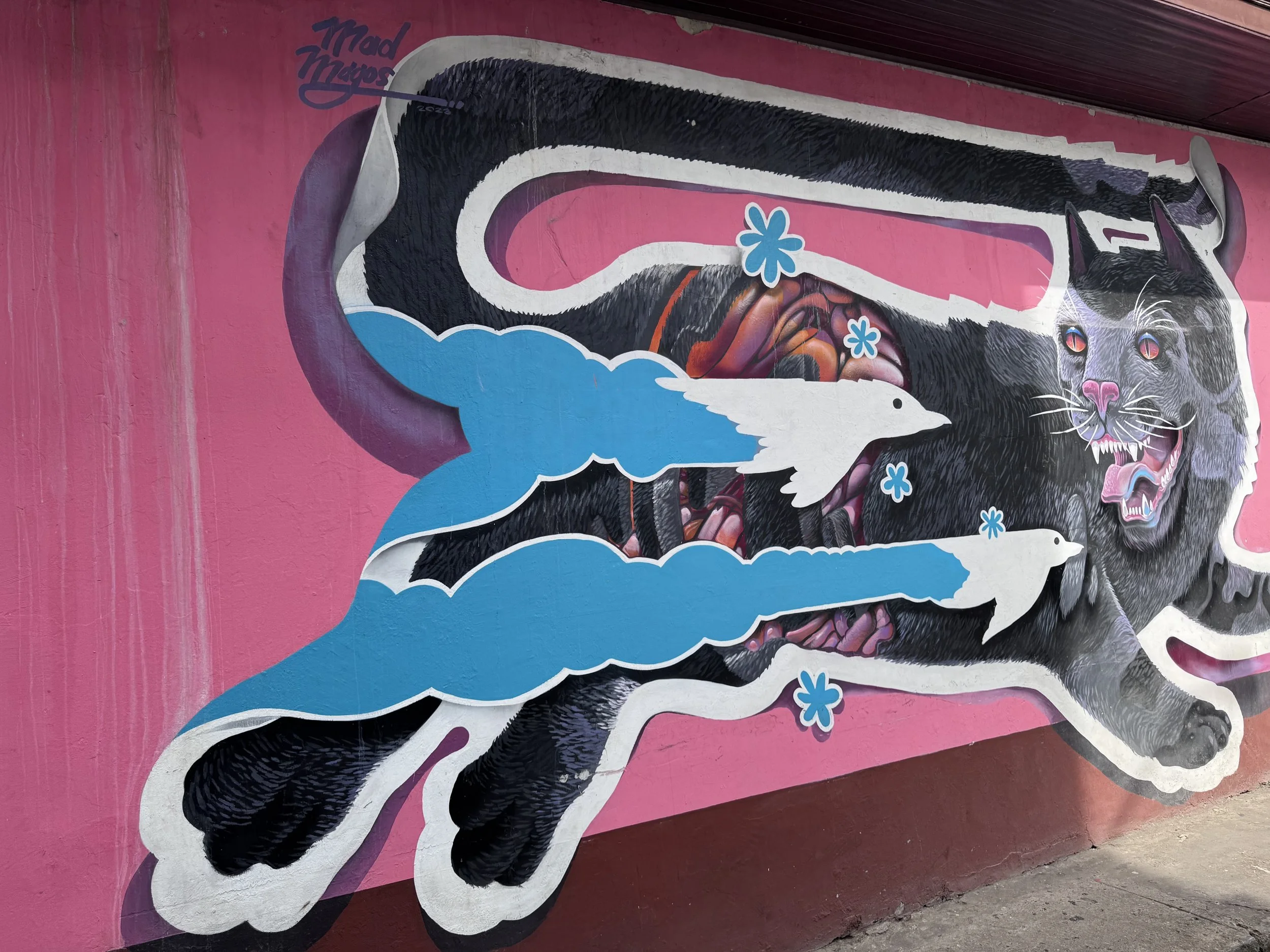
A large, surreal mural dominated by a dark animal form against a vivid pink background, with blue and white shapes moving across the composition. It has a much more contemporary, expressive feel than the educational or cultural murals nearby.
The large pink-and-black animal mural had a completely different energy—less educational, more surreal and contemporary. There appears to be an artist signature in the upper corner, but I can't identify it confidently enough from the photograph to attribute the work. I actually like leaving some of these unanswered for now. Part of exploring the neighborhood over time can be finding out who created them and hearing what the artists intended directly rather than relying on guesses.
Faith on the Walls
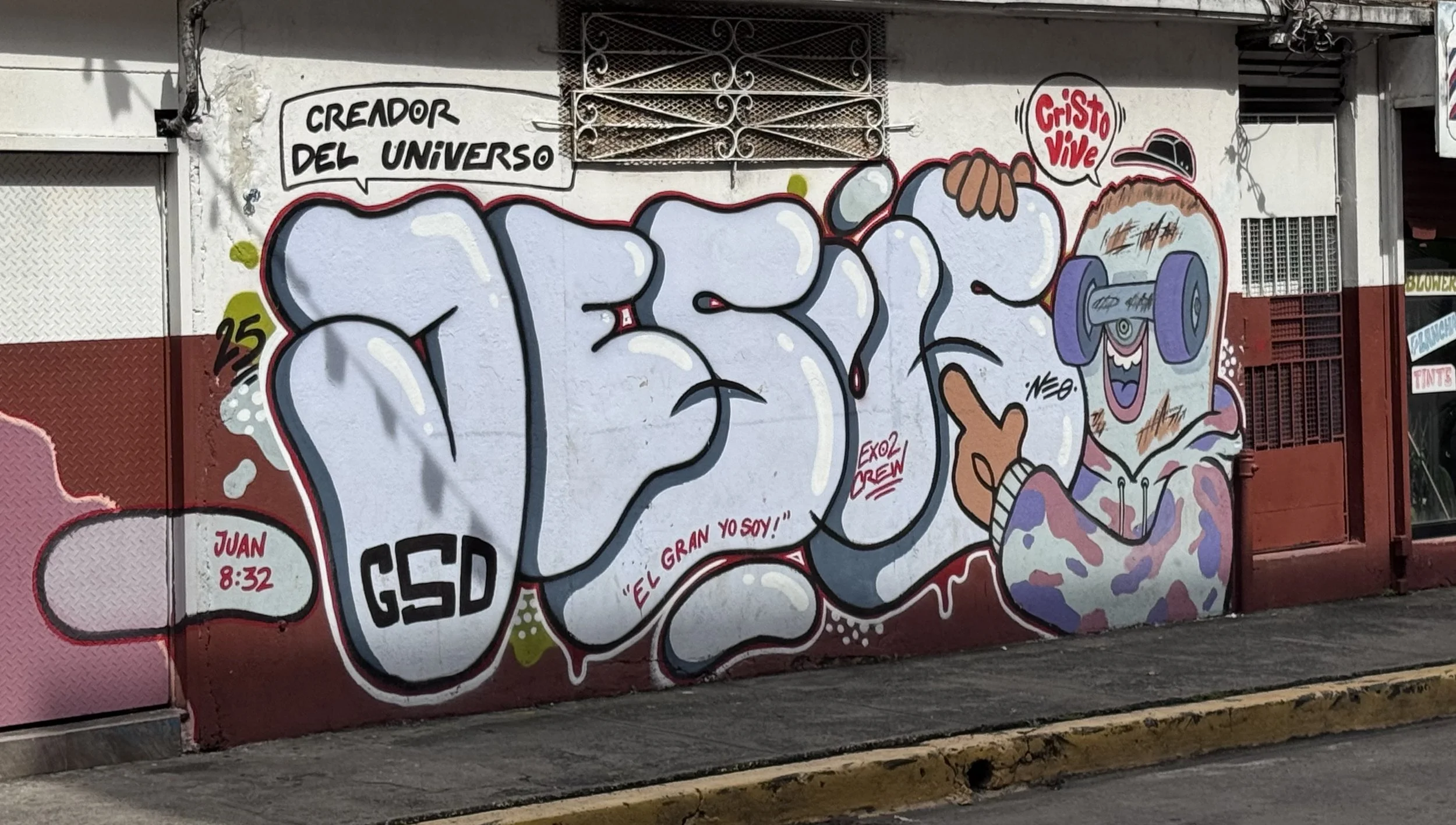
A bold graffiti-style mural featuring Christian messages including “Creador del Universo” and “Cristo Vive.” The work combines street-art lettering with explicit expressions of faith, showing how religion also appears as part of the neighborhood’s visual identity.
Religion appears in the street art as well. This wall combines graffiti-style lettering with explicitly Christian messages, including “Creador del Universo” and “Cristo Vive,” along with a reference to John 8:32. Regardless of how one interprets the larger artwork, the religious message is direct.
I found it interesting because the walls of Santa Ana seem to carry almost every dimension of community identity—history, environment, popular culture, education, national identity and faith. This isn't one artistic voice speaking for the neighborhood. It feels much more like many voices occupying the same streets.
Beneath a Tree That Has Seen More Than We Have
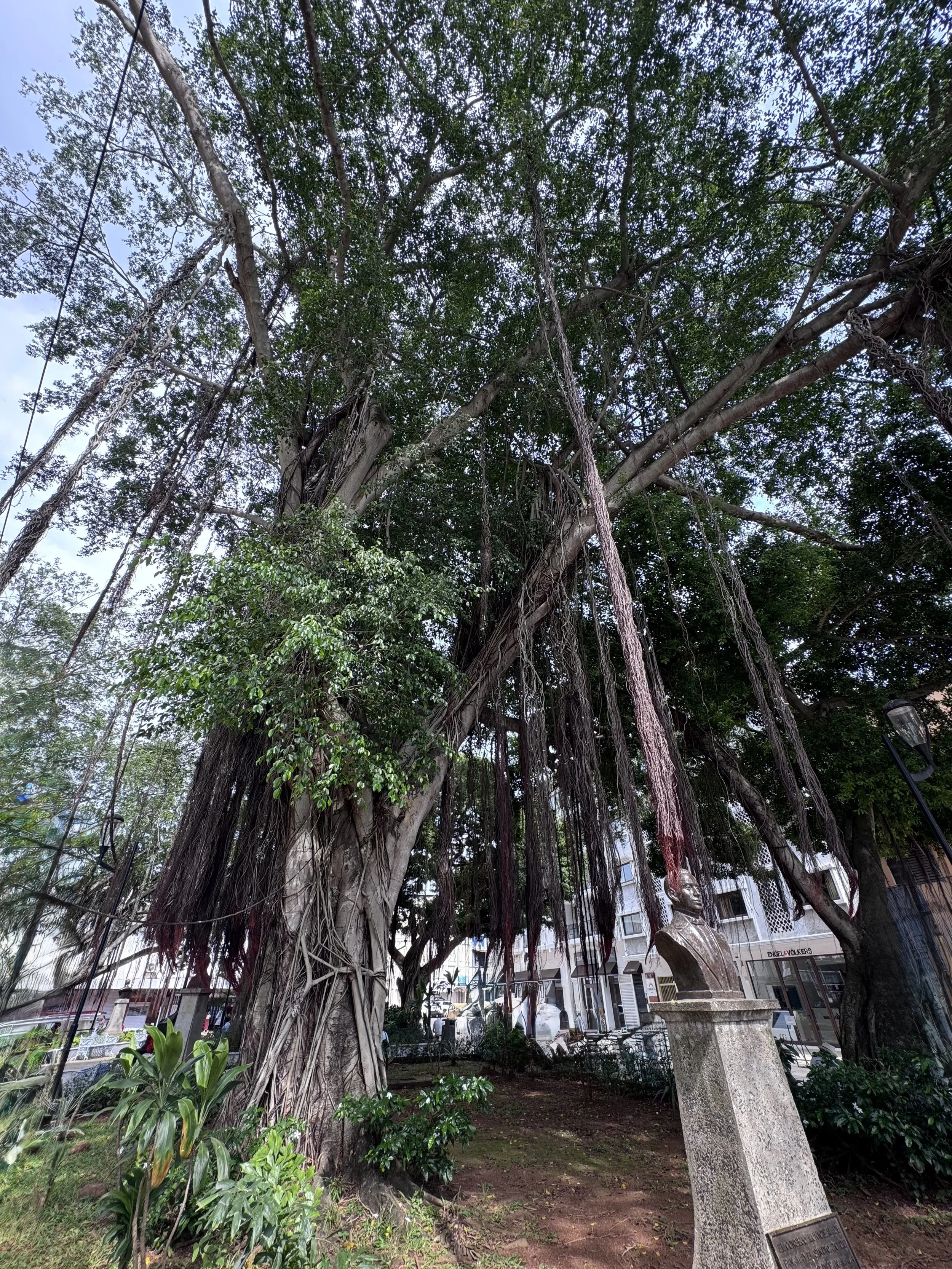
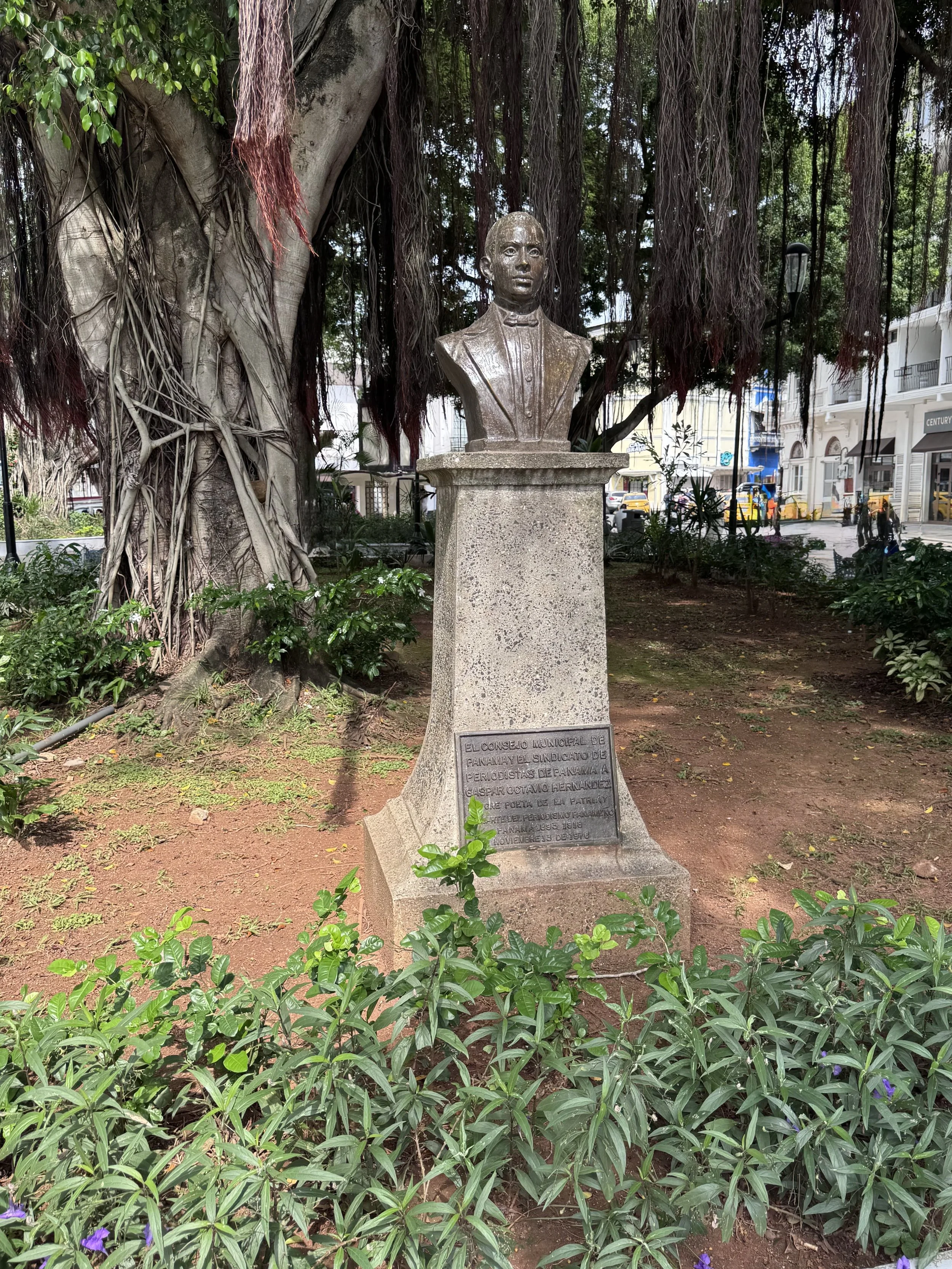
A bronze bust of Panamanian poet and journalist Gaspar Octavio Hernández, set beneath a massive tree in a small green space. The monument adds a historical layer to the neighborhood, connecting the streets around it with Panama’s literary and cultural history.
Eventually the murals gave way to something quieter. We came across an enormous tree whose roots, trunk and hanging aerial roots almost seemed to be taking possession of the small park around it. Photographs don't quite communicate the scale. Standing beneath it, the city suddenly felt much older.
Beside it is a bronze bust.. The plaque identifies the figure as Gaspar Octavio Hernández, an important Panamanian poet and journalist. This is the kind of discovery I enjoy most because we weren't looking for a monument to Hernández. We simply walked into it.
And suddenly another piece of Panama was waiting for us to learn about.
That is exactly what I mean when I say I want this blog to be about more than destinations. I don't want to just photograph a statue and move on. I want to know who that person was, why Panama chose to remember him, and what his life tells me about the country I'm living in.
And Then Came a Different Kind of Lesson
Our walk also gave us a reminder that exploring a city requires some awareness. At one point, we were preparing to continue down another street when a police officer in a patrol car stopped and warned us that we probably should not keep going in that direction. She honked and indicated that the area ahead was not somewhere we should be wandering into.
We thanked her and turned around.
There was nothing dramatic about the encounter, and that's actually what I appreciated about it. The officer saw two newcomers walking toward an area she thought we should avoid and took a moment to let us know.
Good to know somebody was watching our backs.
It was also a reminder that when you arrive in a new country, you don't yet understand the invisible boundaries that locals know instinctively. A street may look perfectly ordinary to us while someone who has lived here for years immediately knows that two blocks farther is somewhere we probably don't need to be.
That doesn't make me want to stop exploring. It makes me want to explore more intelligently.
Seeing the Neighborhood Instead of Passing Through It
By the time we returned, I realized we had probably learned more about Santa Ana from hour of walking than we could have learned from several hours of reading about it.
We saw beauty and deterioration occupying the same block. We saw global ideas painted beside very local ones. We saw environmental education, faith, Panamanian history, contemporary street art, cultural pride and simple humor sharing the same neighborhood walls.
And we barely scratched the surface.
This is one of the things I was hoping for when we moved abroad. I don't want to experience Panama solely through the places someone else has already decided are worth seeing. I want to walk down a street because it is there, notice something I don't understand, take a photograph, go home and learn what I was looking at.
Sometimes that will be a famous piece of history.
Sometimes it will be an artist whose name I eventually learn.
Sometimes it will be a fifty-cent pineapple.
And sometimes it will simply be a police officer rolling down his window to tell us, with the wisdom of someone who knows the neighborhood much better than we do, that perhaps today's walk should continue in the other direction.
That's life beyond the itinerary.
Six days into our new life in Panama, the move is beginning to feel real. From getting Gizmo and Ruby settled to navigating groceries, transportation, healthcare, residency paperwork, and everyday life in a new country, we’re learning that living abroad is very different from visiting. These first few days have been full of small discoveries, unexpected challenges, and reminders that this journey is about much more than a change of address.
by Kurt Grafton
For months, Panama had existed mostly in conversation, planning documents, reservations, checklists, and the kind of late-night research that comes with making a major life change. Janice and I had already come down in May to put boots on the ground and decide whether Panama could really be the place where we wanted to begin the next chapter after retirement. That first trip mattered because we did not want to make the decision based only on videos, expat groups, glossy travel sites, or other people’s opinions. We wanted to walk the streets ourselves, see the neighborhoods, get a feel for the pace of life, talk to people, and imagine what an ordinary Tuesday might feel like here. By the time we left in May, Panama had moved from being an interesting possibility to something that felt real.
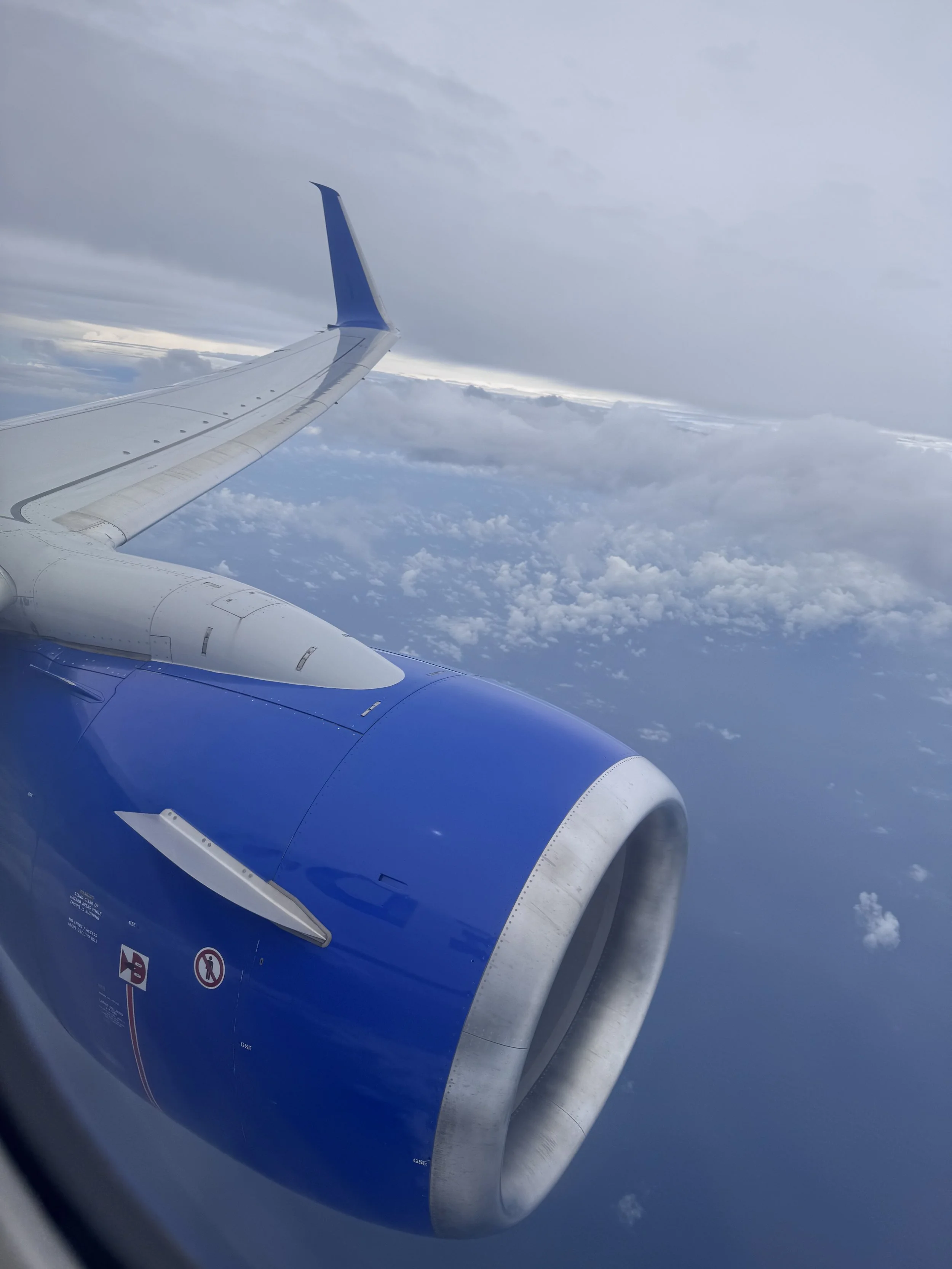
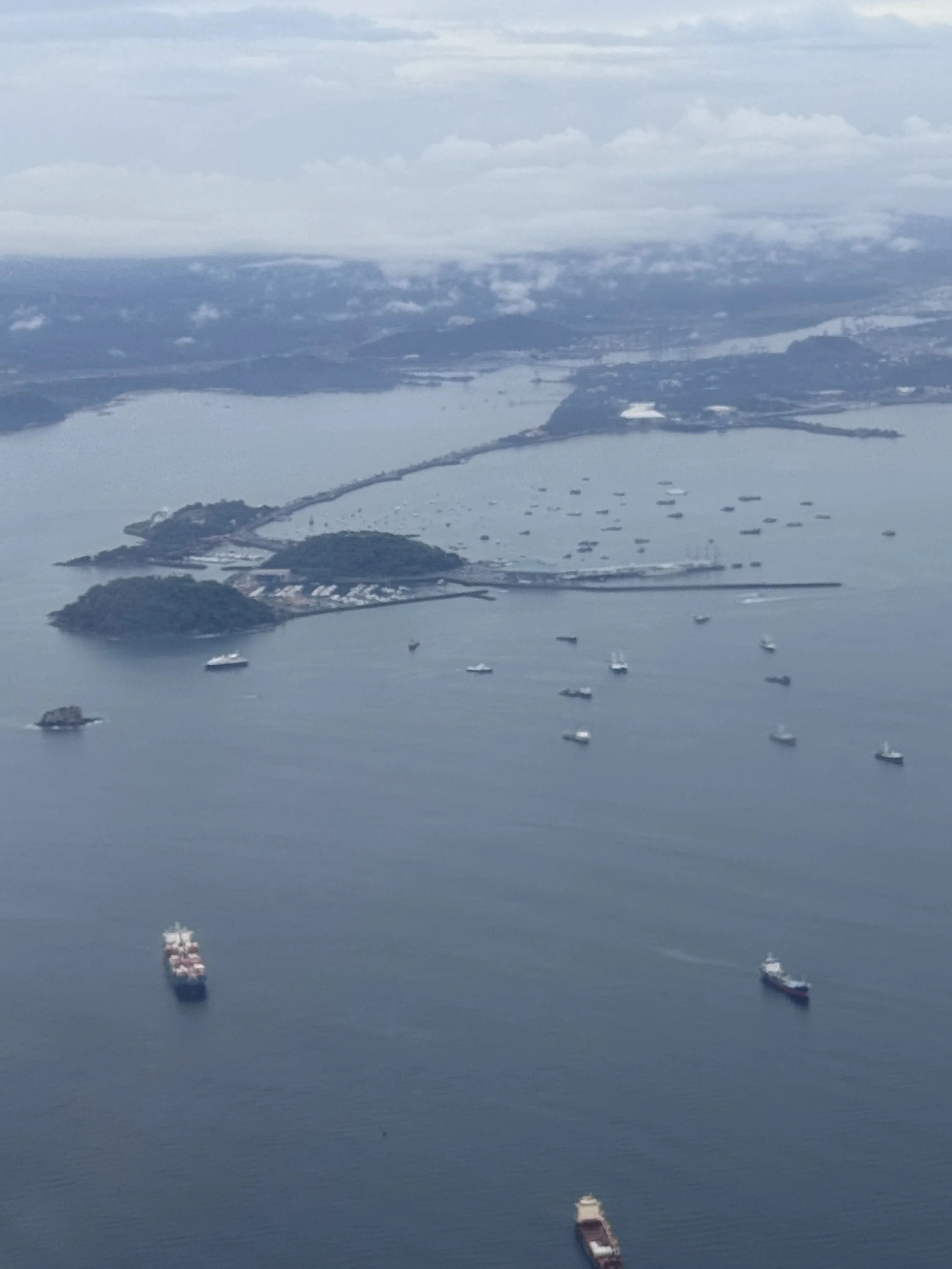
Returning on August 31 was completely different. This time, we were not coming for a visit. We were arriving with luggage, two dogs, paperwork, plans for residency, and the understanding that we were not flying back to resume the old routine. That alone changed the feeling of everything. Even the airport felt different when I knew there was no return trip waiting at the other end of the calendar.
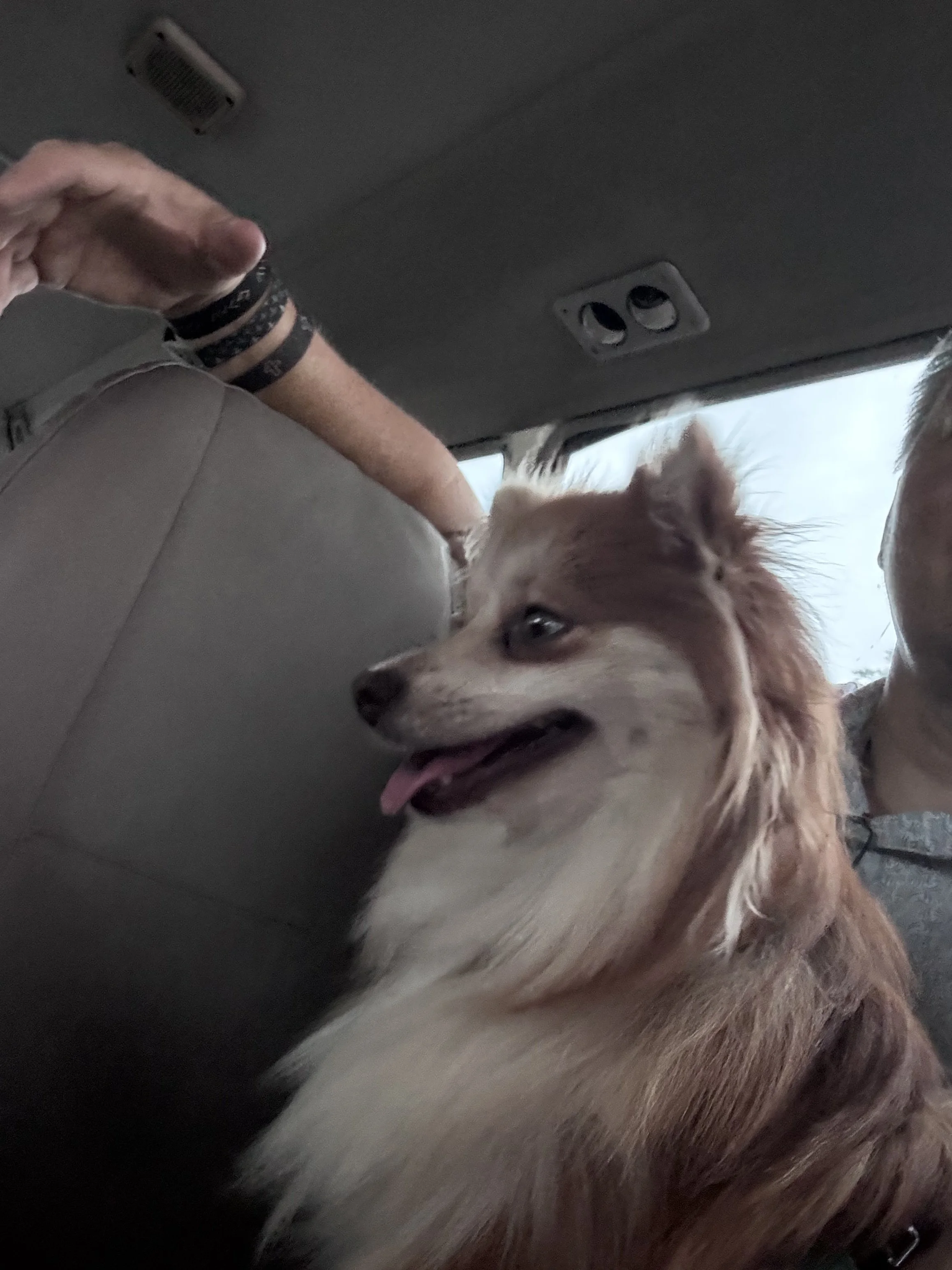
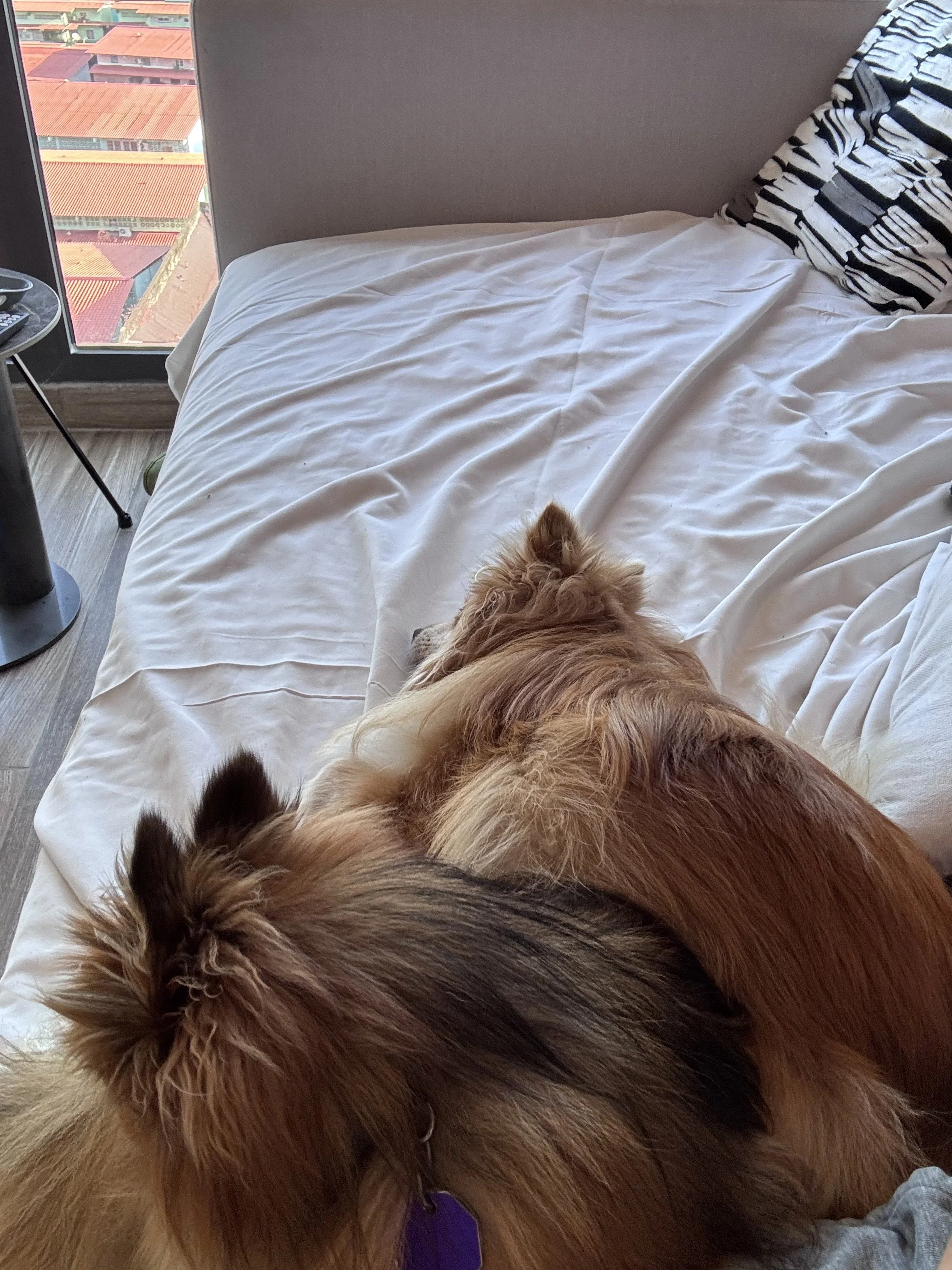
One of the biggest concerns leading up to the move was getting Gizmo and Ruby into the country. Anyone who has traveled internationally with pets knows there is a lot more involved than simply putting them in carriers and getting on a plane. There were health certificates, vaccination records, endorsements, government paperwork, airline requirements, and a lot of double-checking to make sure nothing had been missed. By the time we landed in Panama, I had probably reviewed those documents more times than I care to admit. Even when you think everything is in order, there is still a moment of uncertainty when you are standing at the counter waiting for someone else to confirm that you did it all correctly.
Thankfully, the process worked. We completed the required MINSA and animal-entry steps, paid the fees, and eventually got the clearance we needed. Gizmo and Ruby were officially in Panama with us. That might sound like a small detail compared with moving to another country, but in that moment it felt like one of the biggest accomplishments of the entire trip. The four of us had arrived, and the first hurdle was behind us.
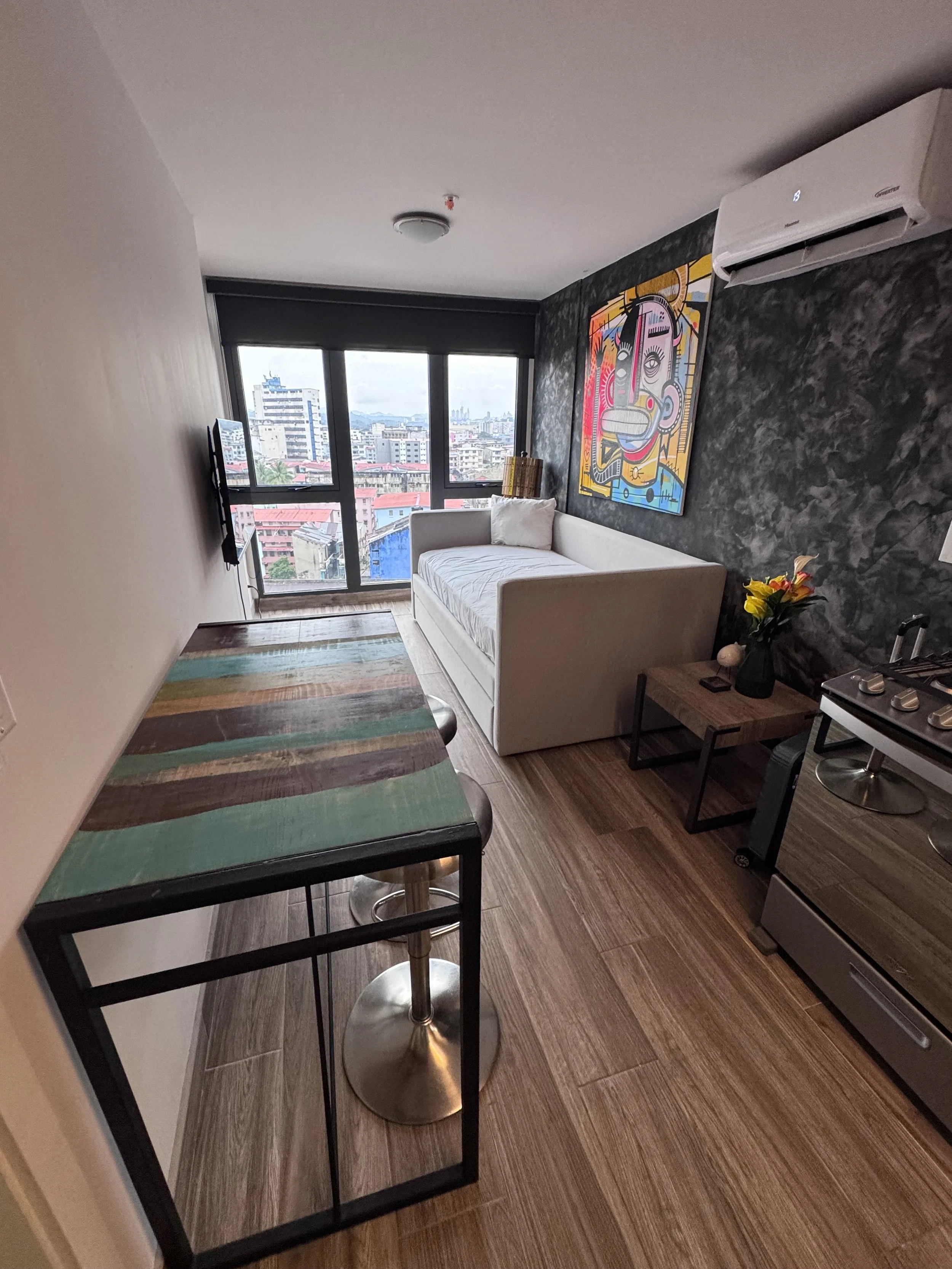
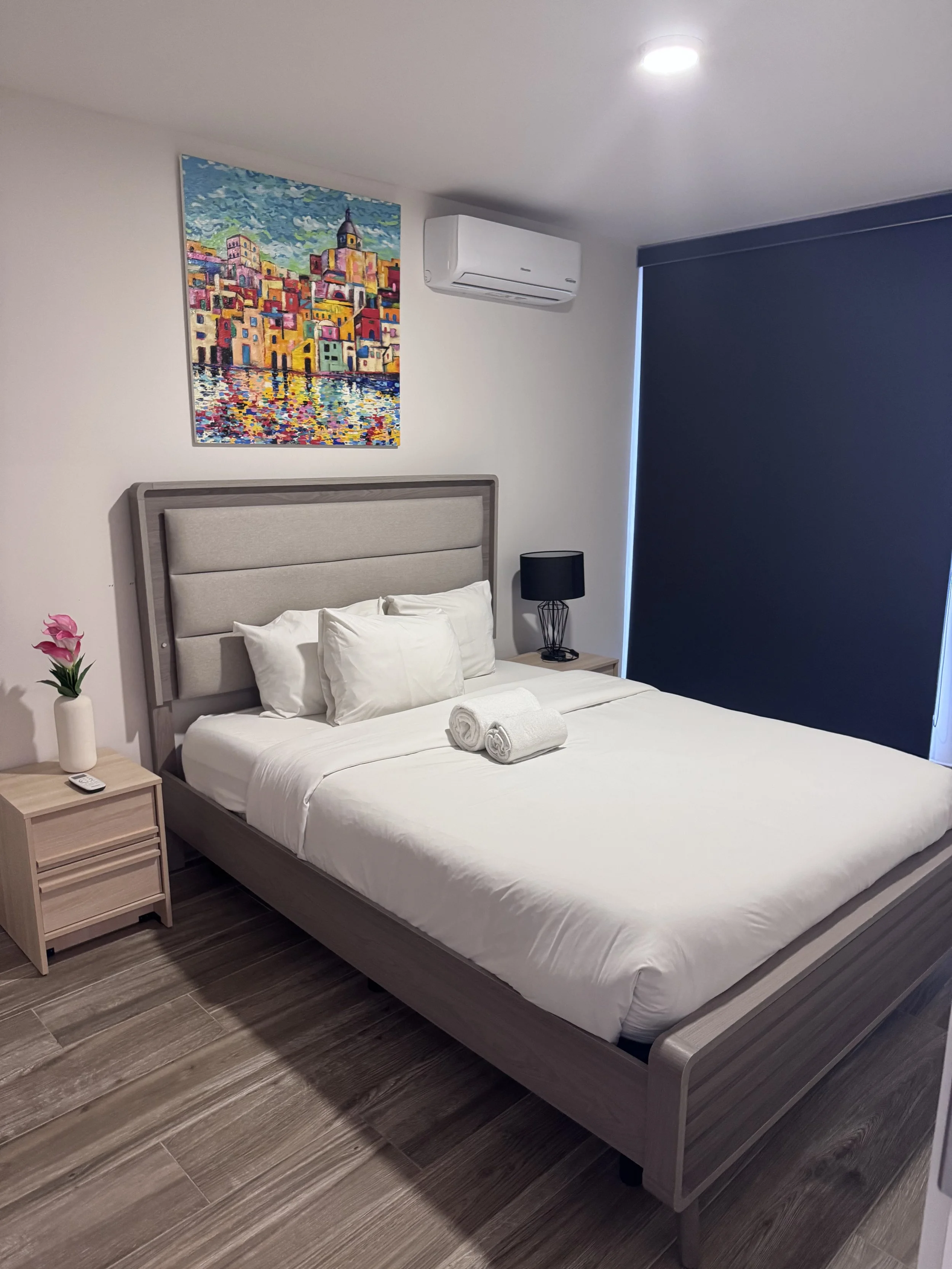
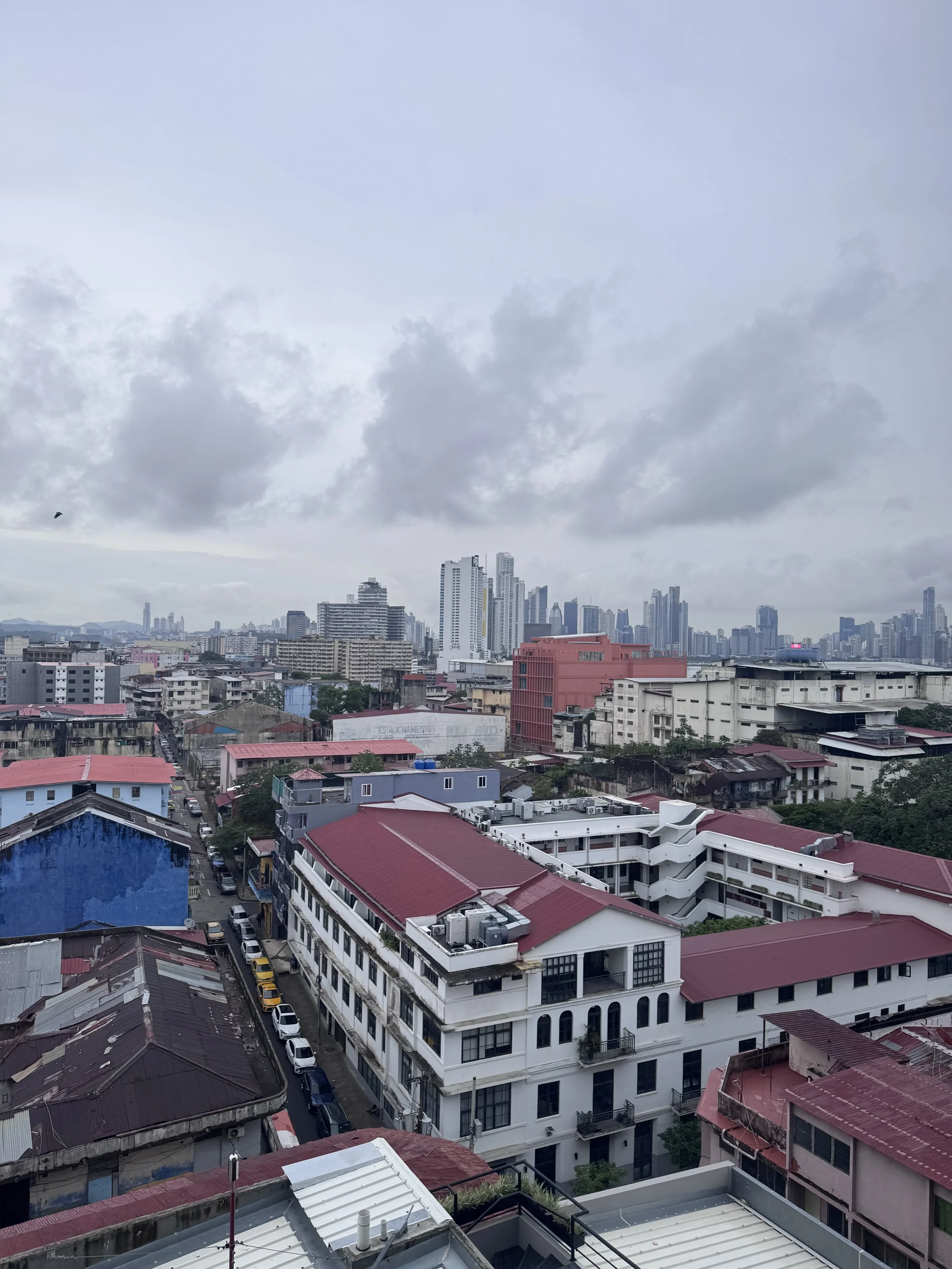
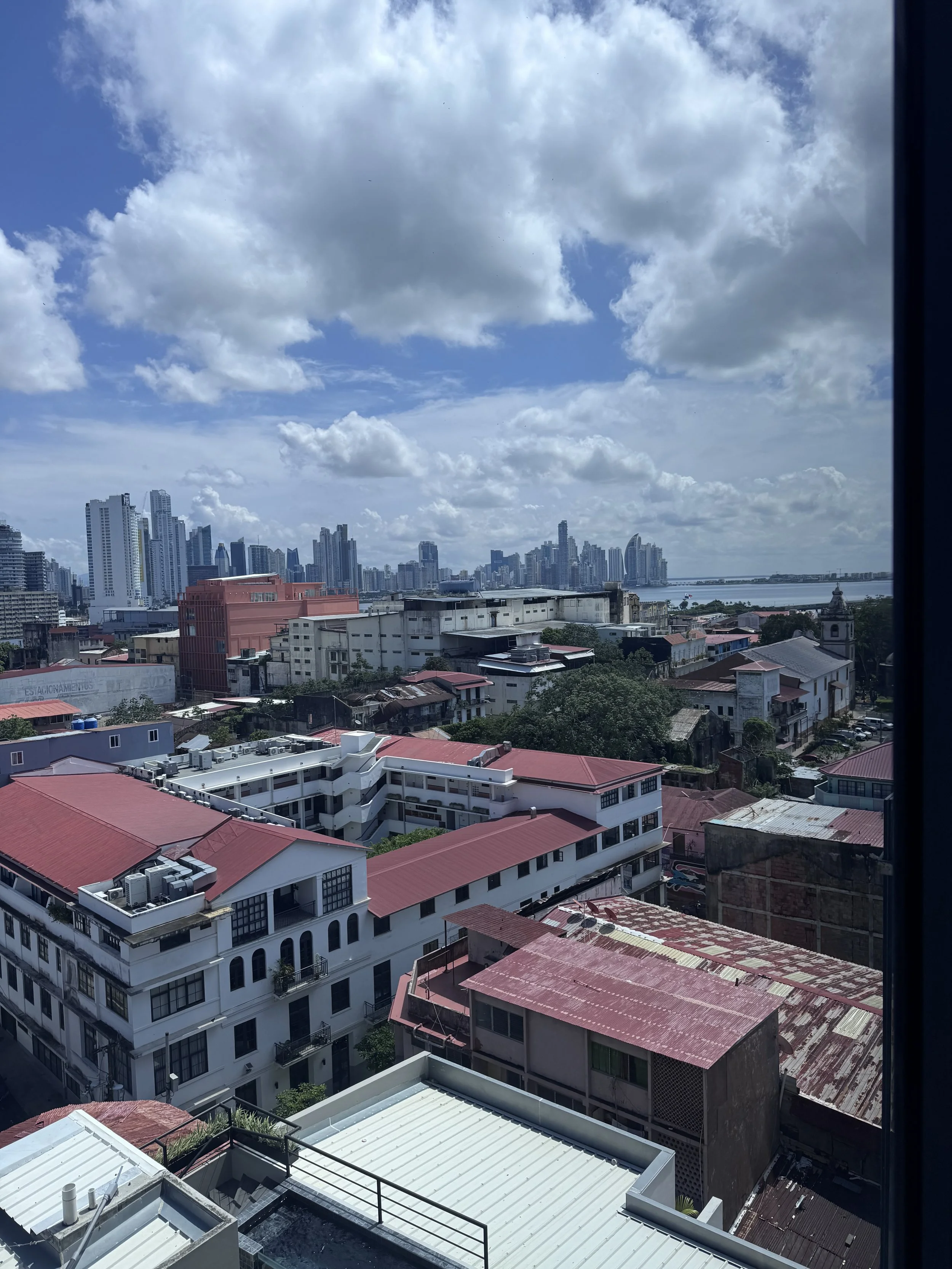
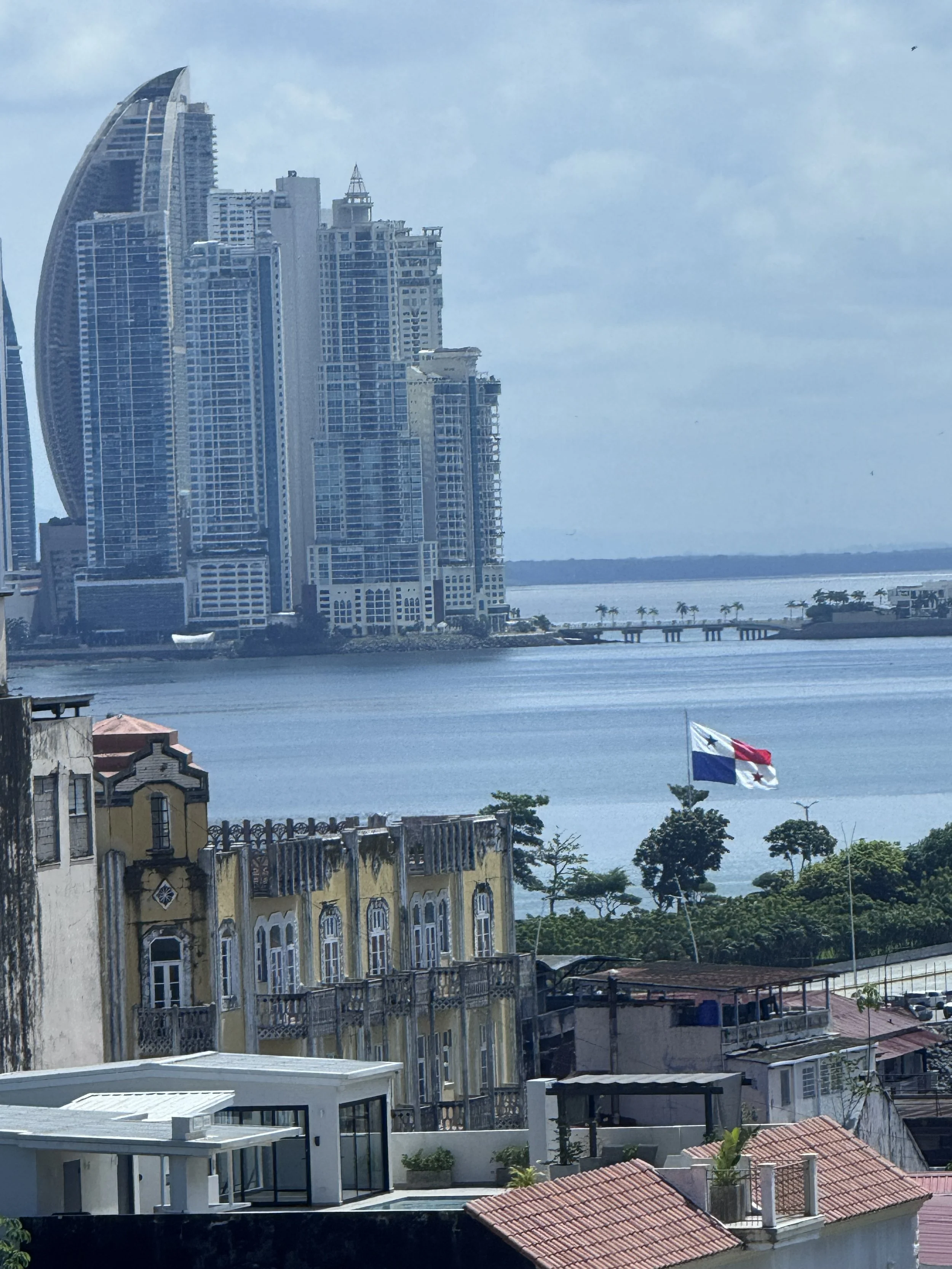
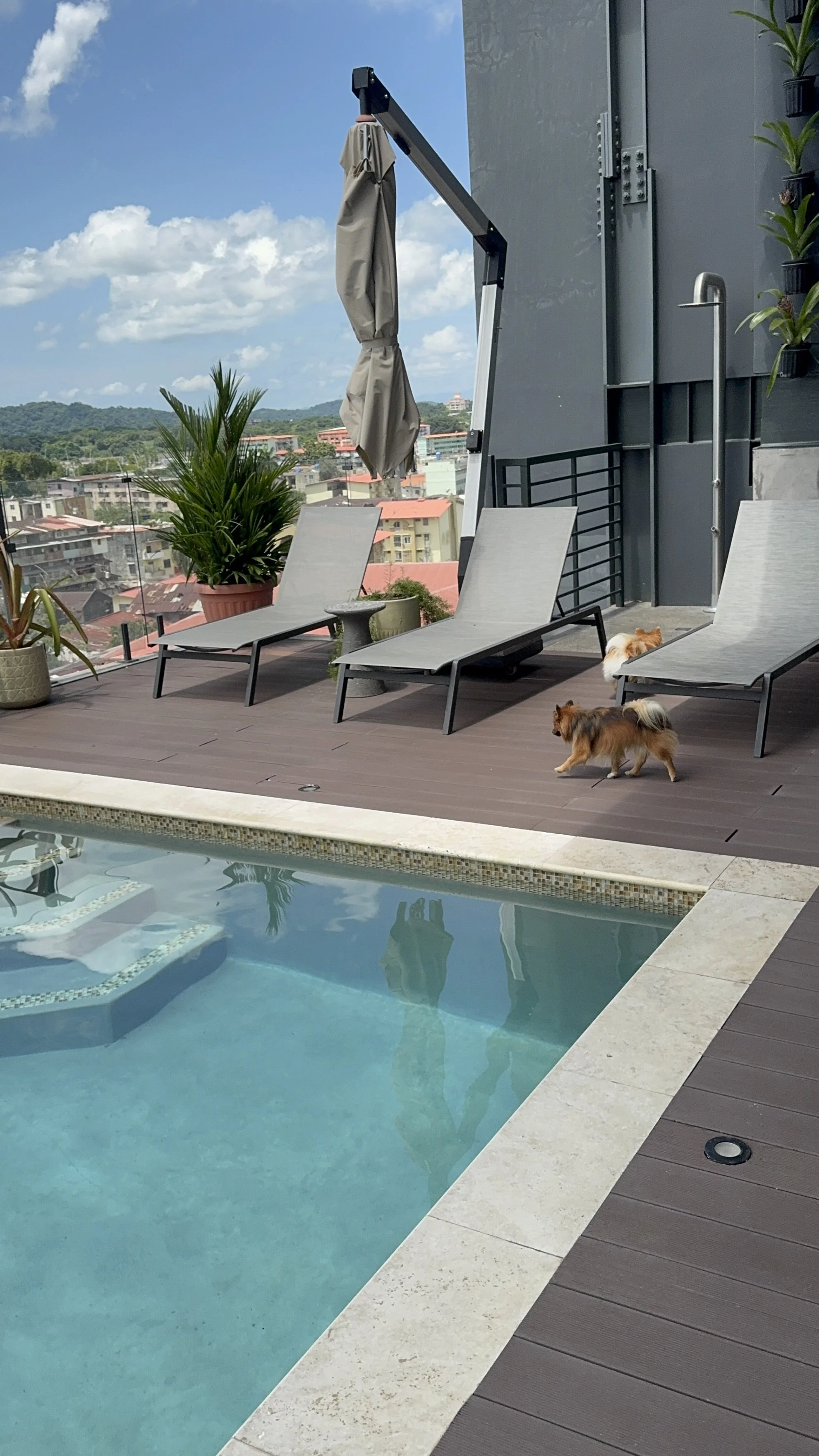
Our temporary home is Casco View in Santa Ana, just outside Casco Viejo. We knew from the start that this would only be our base for a short period while we worked through residency, banking, medical needs, driver’s-license requirements, and all the other practical pieces that come with establishing yourself in another country. Still, walking into the apartment felt different from checking into a hotel or vacation rental. There was no sense that we were counting down the days until we went “home.” For the moment, this was home. That realization came with a strange combination of excitement and normalcy. We had made this enormous move, crossed an international border, and changed the direction of our lives, and yet one of the first things we needed to do was figure out where to buy groceries.
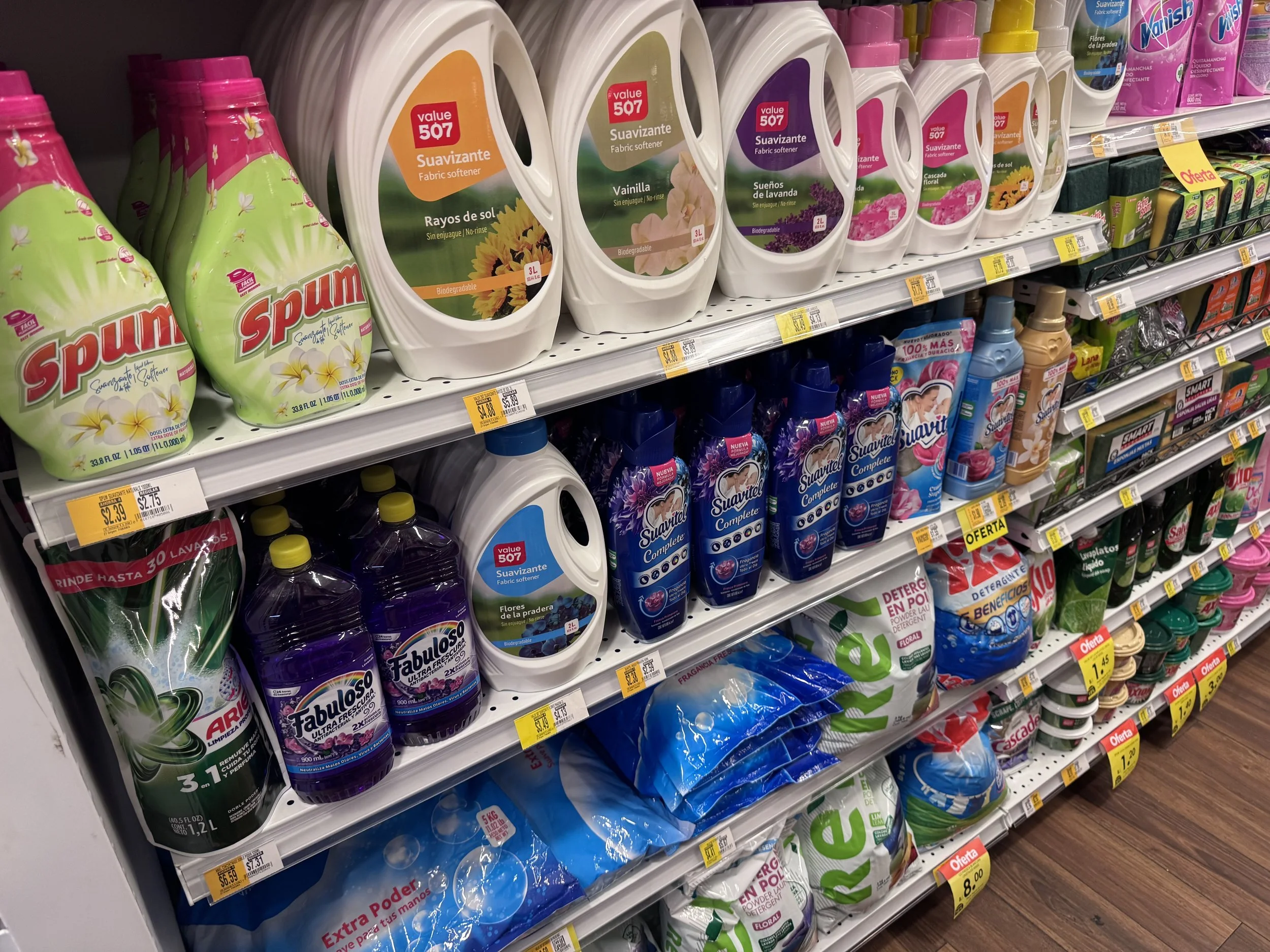
That may be one of the biggest differences between visiting somewhere and living there. When you are on vacation, you ask what there is to see. When you live somewhere, you ask where to buy detergent, where the pharmacy is, how much an Uber costs, which grocery store has what you need, and whether the thing you are looking for is called something completely different in Spanish. Those are the parts of daily life that never make it onto a tourism brochure, but they are exactly the things that start turning a foreign place into somewhere familiar.
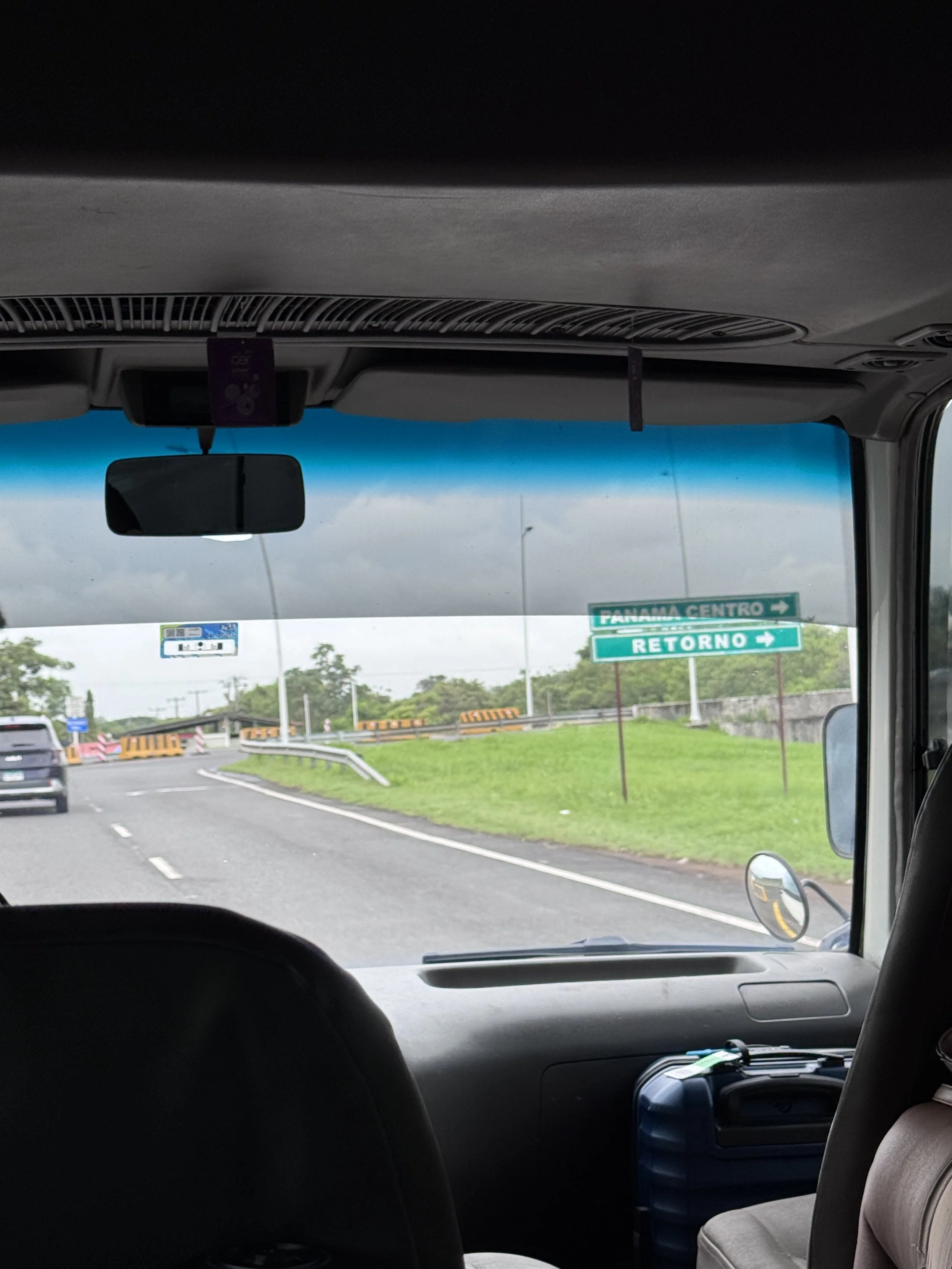
Uber has become one of our best tools for learning the city. In less than a week, we have used it to get to medical appointments, Tower Financial for Pensionado and notary work, Panama Art Supply, different stores, and various errands around the city. Most of the rides have only cost a few dollars, which is still something I find surprisingly reasonable, but the real value has been seeing the city one ride at a time. Every trip gives me another look at Panama City: the way one neighborhood changes into another, the mix of old buildings and new towers, the traffic patterns, the storefronts, the local businesses, the areas that feel polished, and the areas that feel very much lived in.
Those Uber rides have also become some of our first real opportunities to practice Spanish. We are learning, and right now that means plenty of moments where I say something badly, someone tries to answer in English, and we both work our way toward understanding. What has impressed me most is how patient people have been. There have already been several interactions where someone could have easily become frustrated with us, but instead they slowed down, tried another word, smiled, or found some other way to get the point across. Those little exchanges have stayed with me because they tell me something about the people here that I could never learn from a travel article.
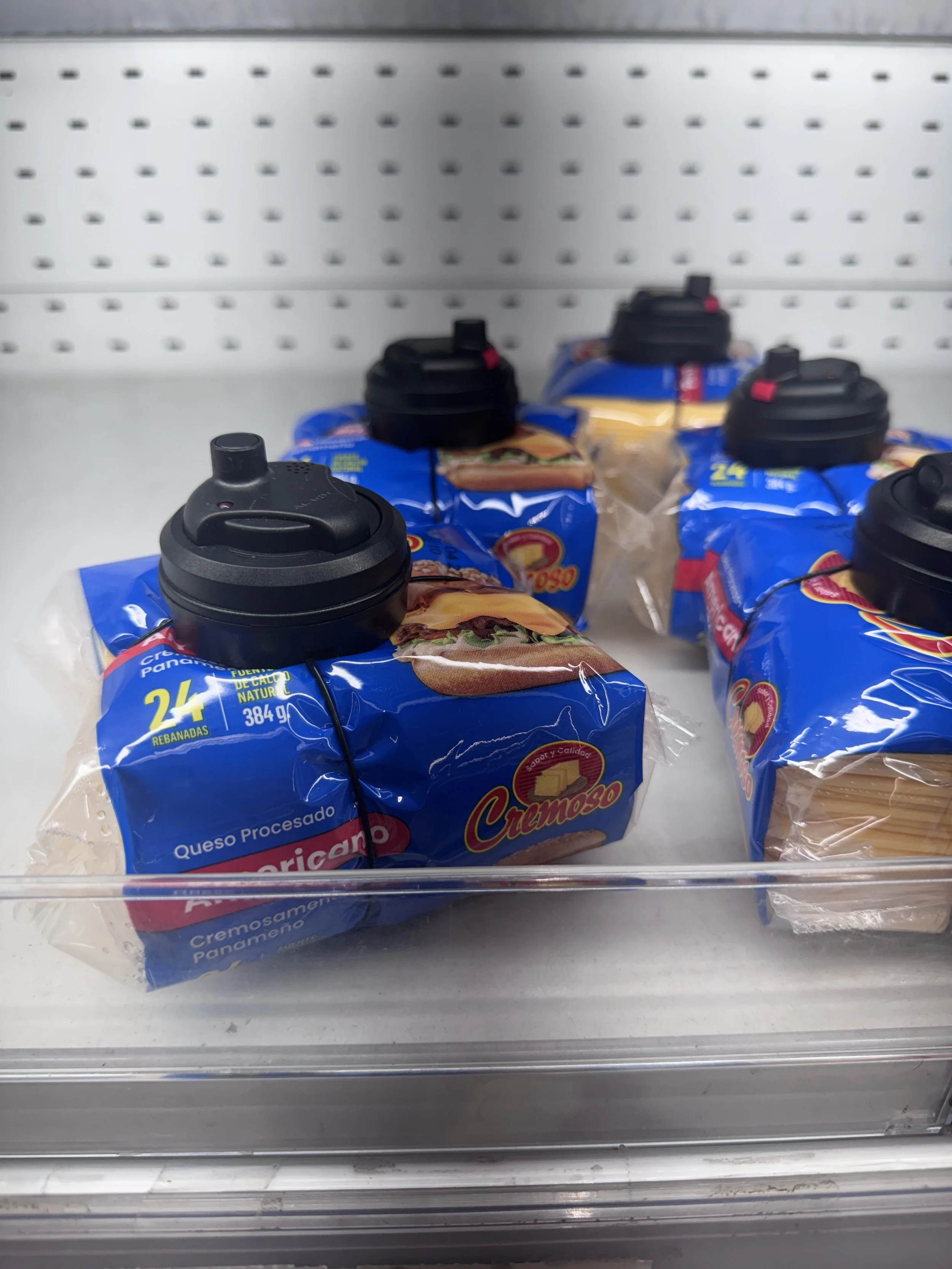
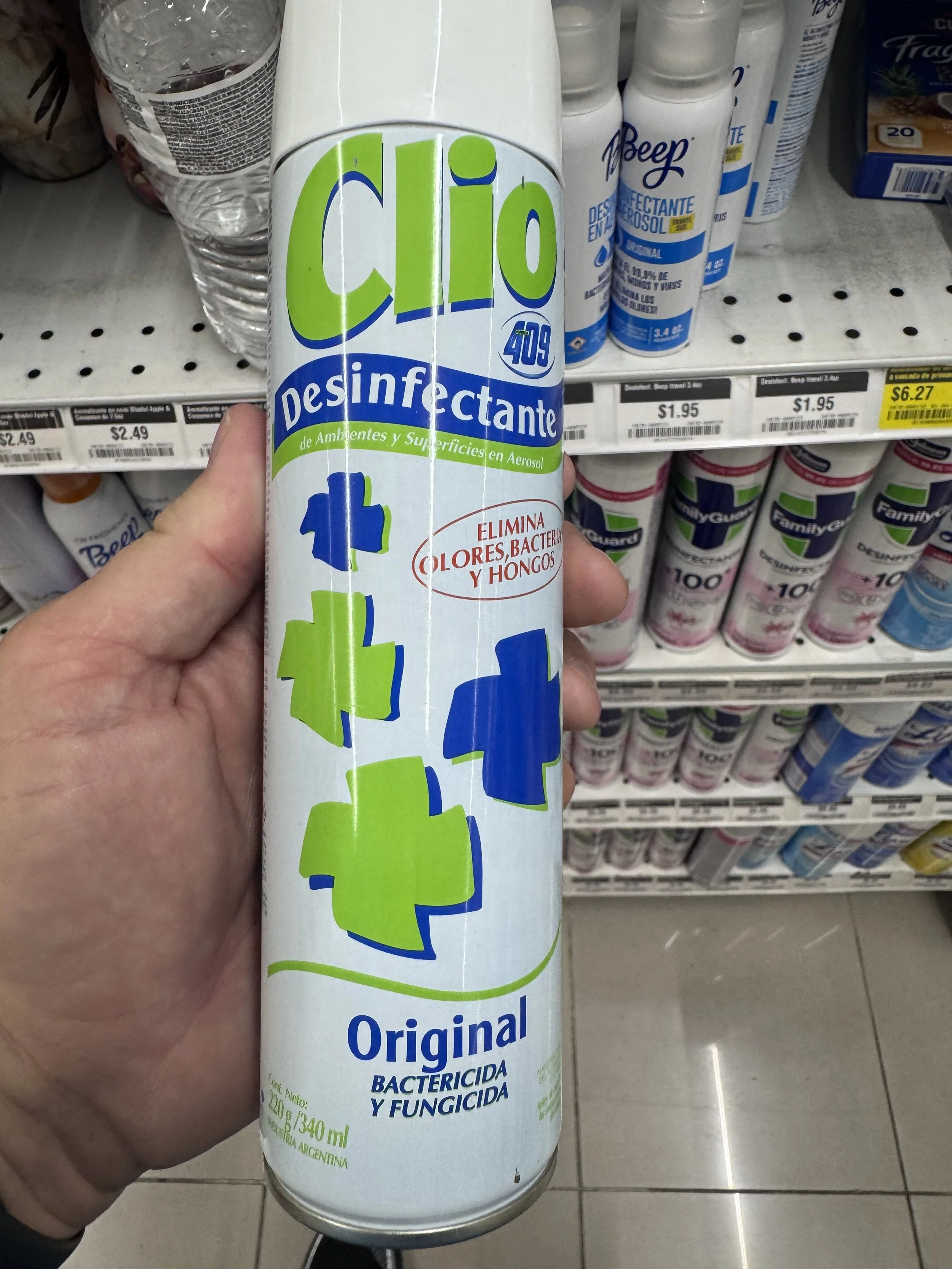
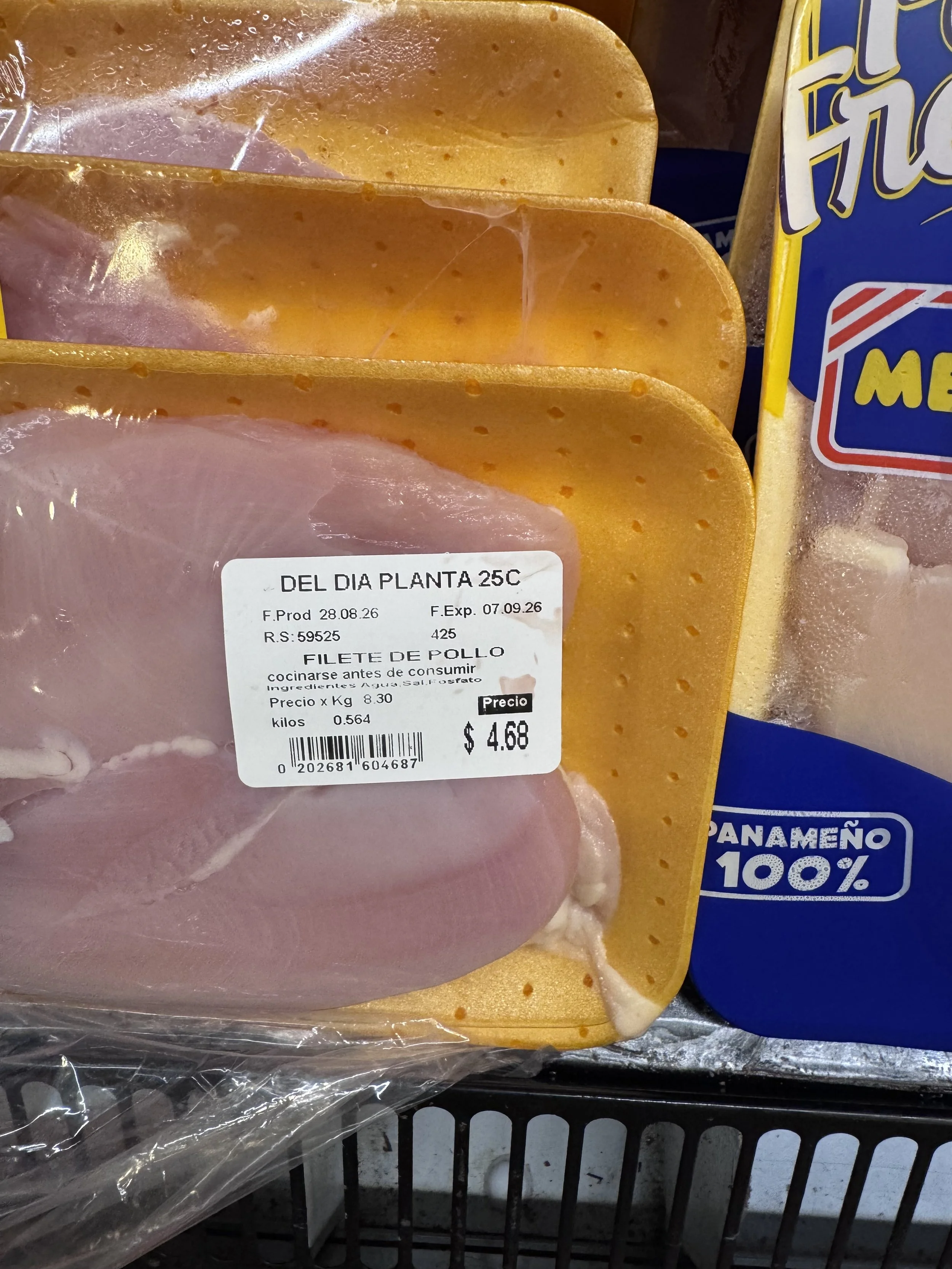
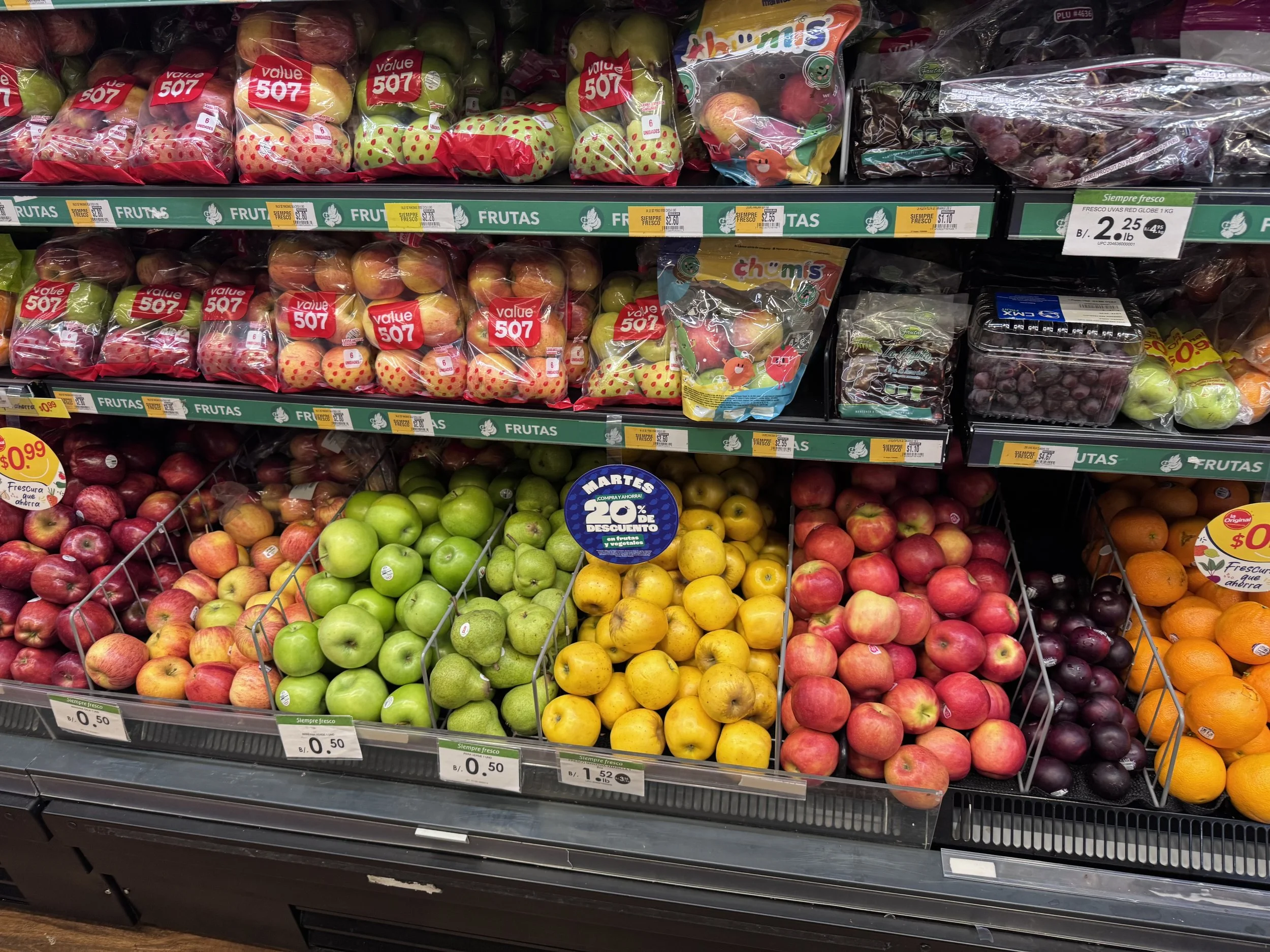
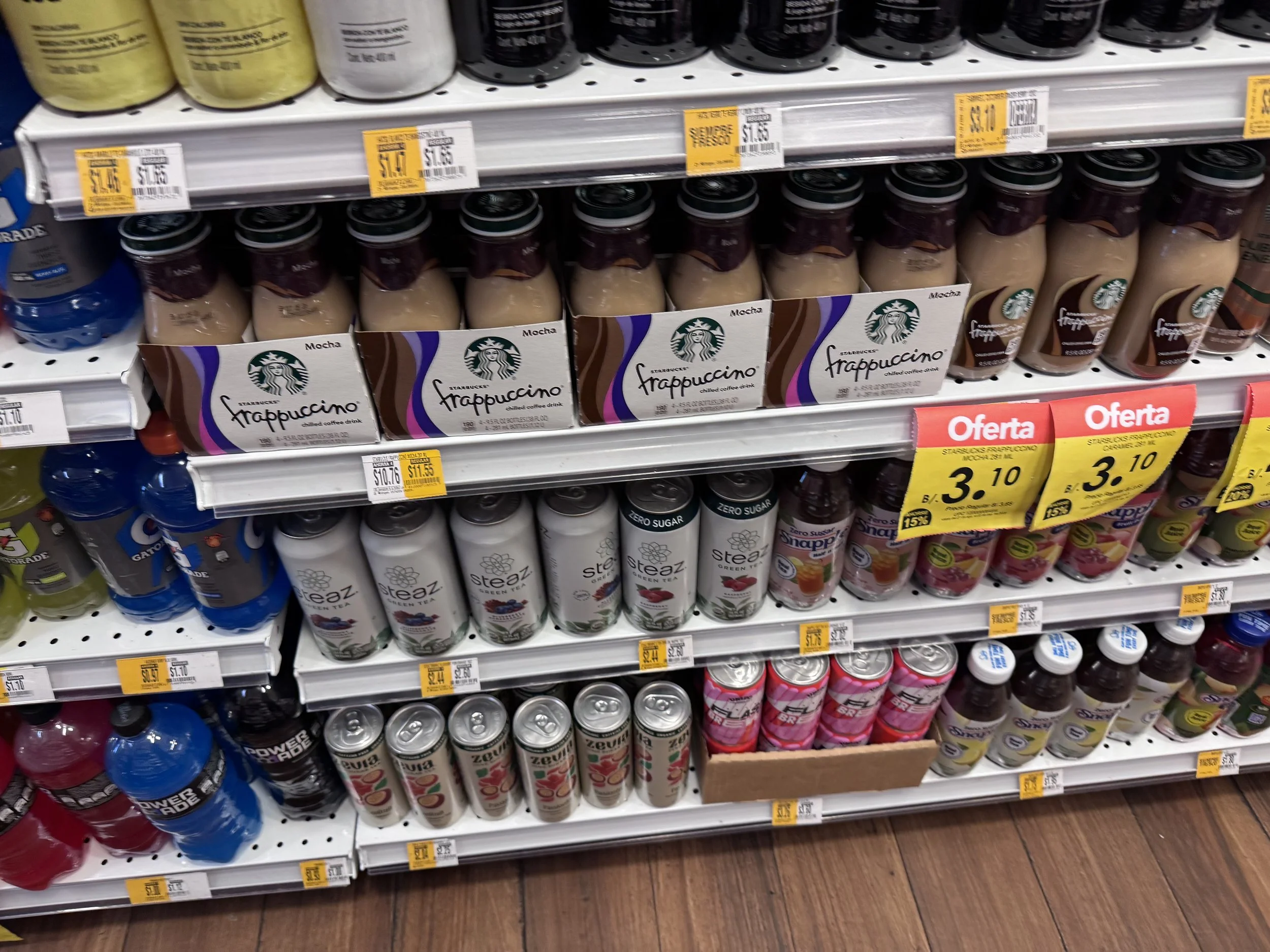
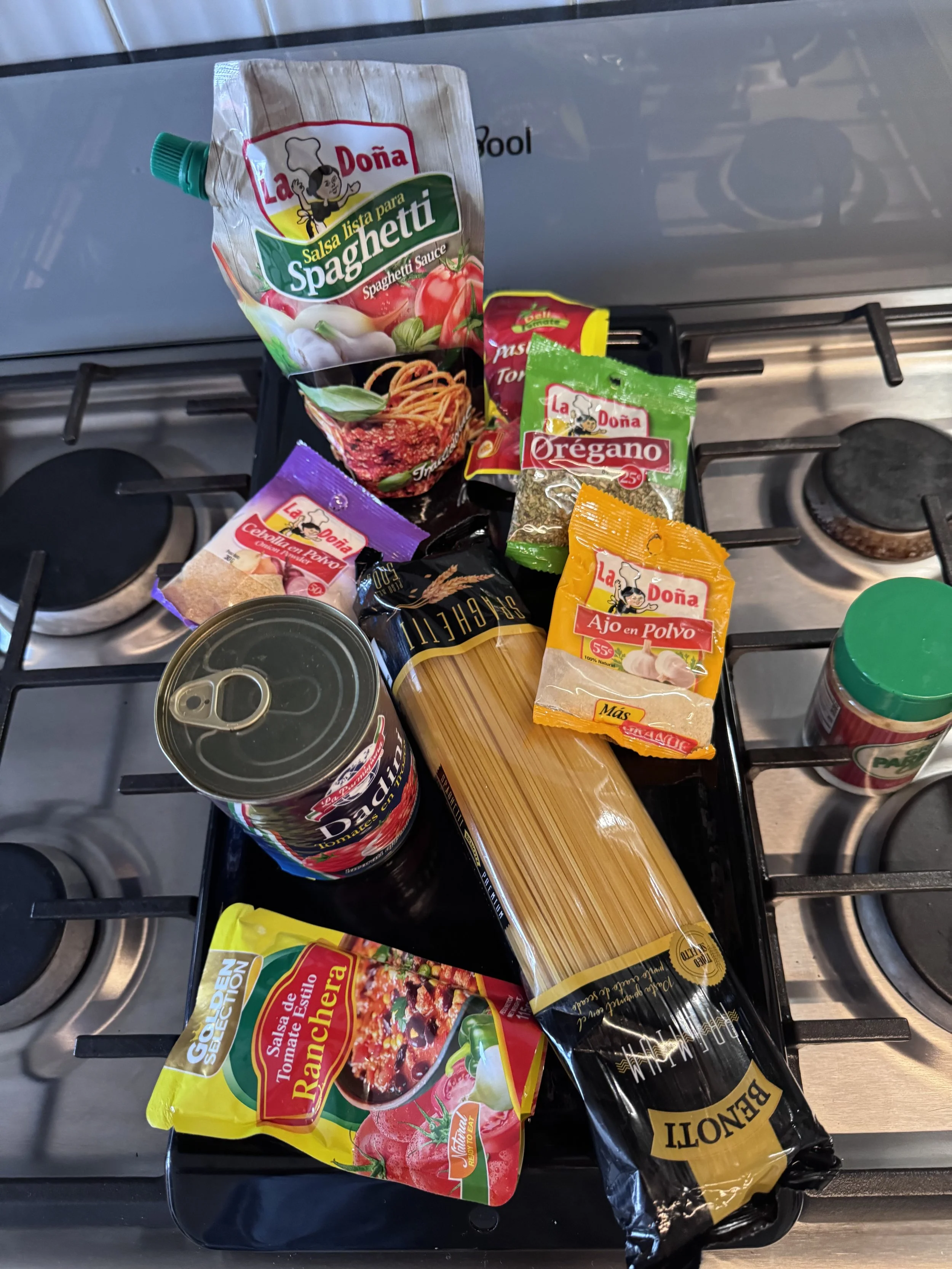
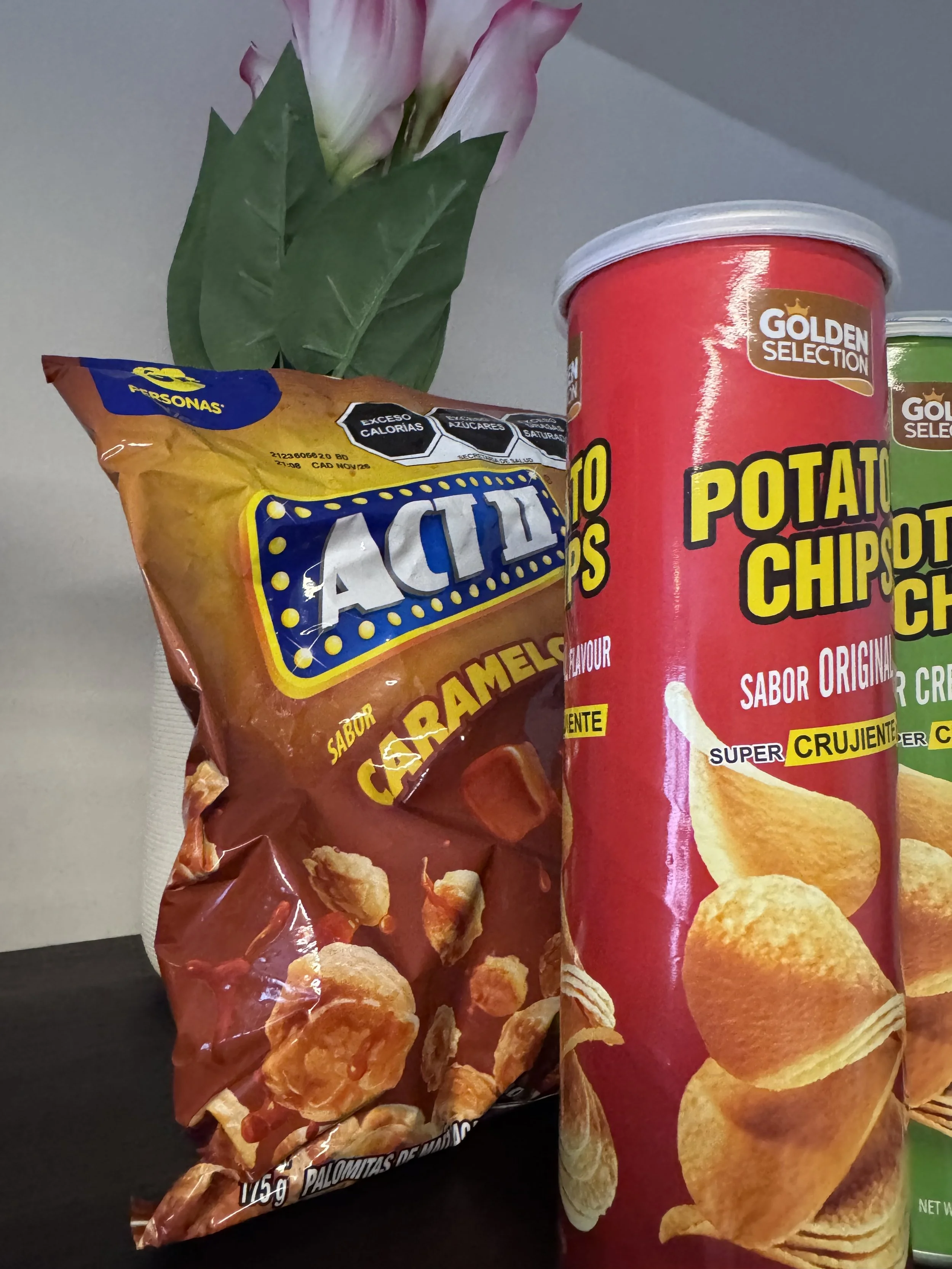
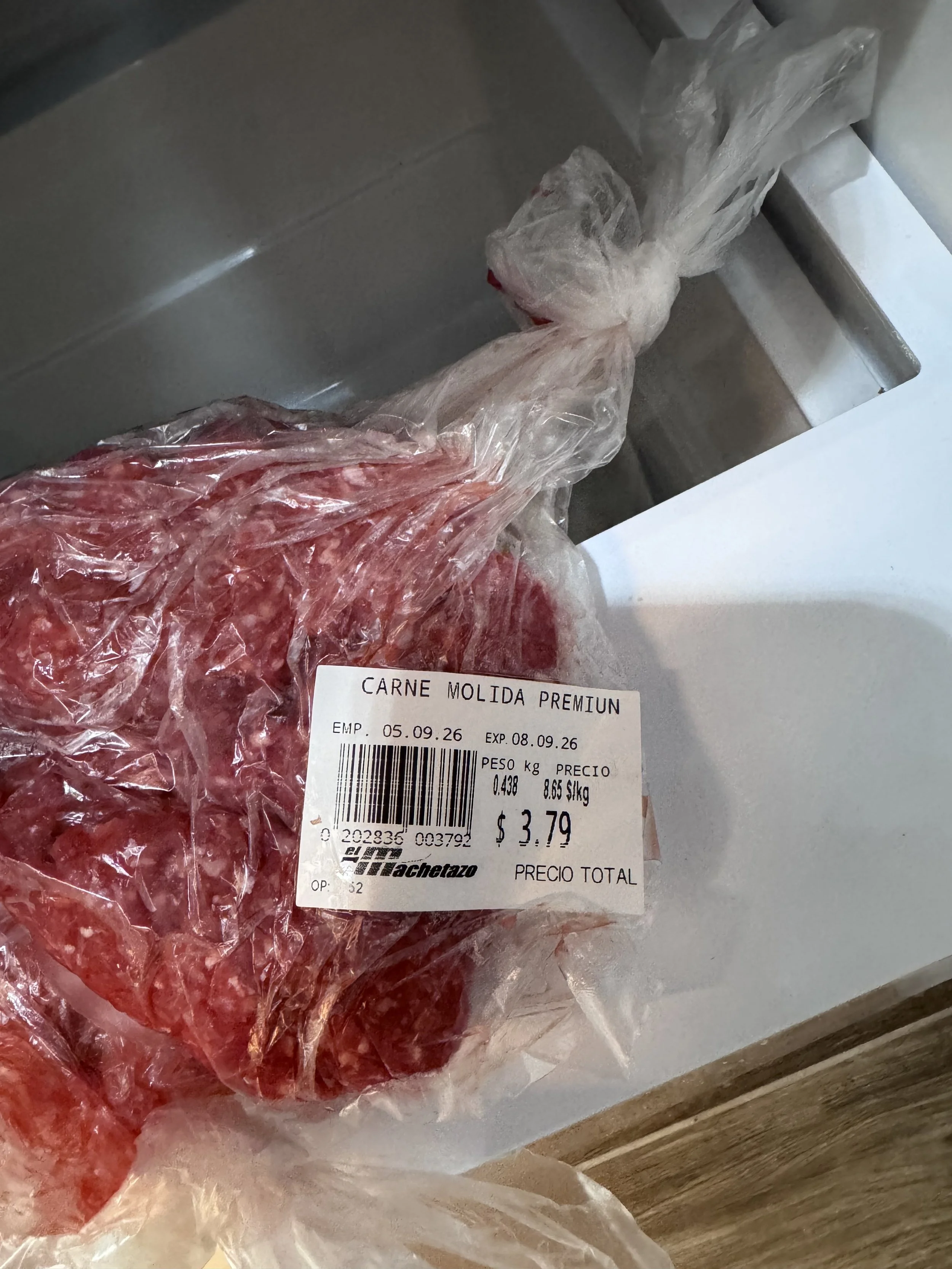
The grocery stores have been another education. We have already shopped at Mr. Precio, Rey Casco Viejo, and El Machetazo, and each trip has been part errand and part discovery. Grocery shopping is one of those ordinary activities that tells you a lot about a place: what people eat, what products are common, what is imported, what is inexpensive, and what somehow costs more than you expected. We are learning brands, comparing prices, and figuring out which places make sense for different things. Some of our cash has gone toward groceries, some toward the dogs’ entry process, and some toward the small everyday purchases that come with starting over.
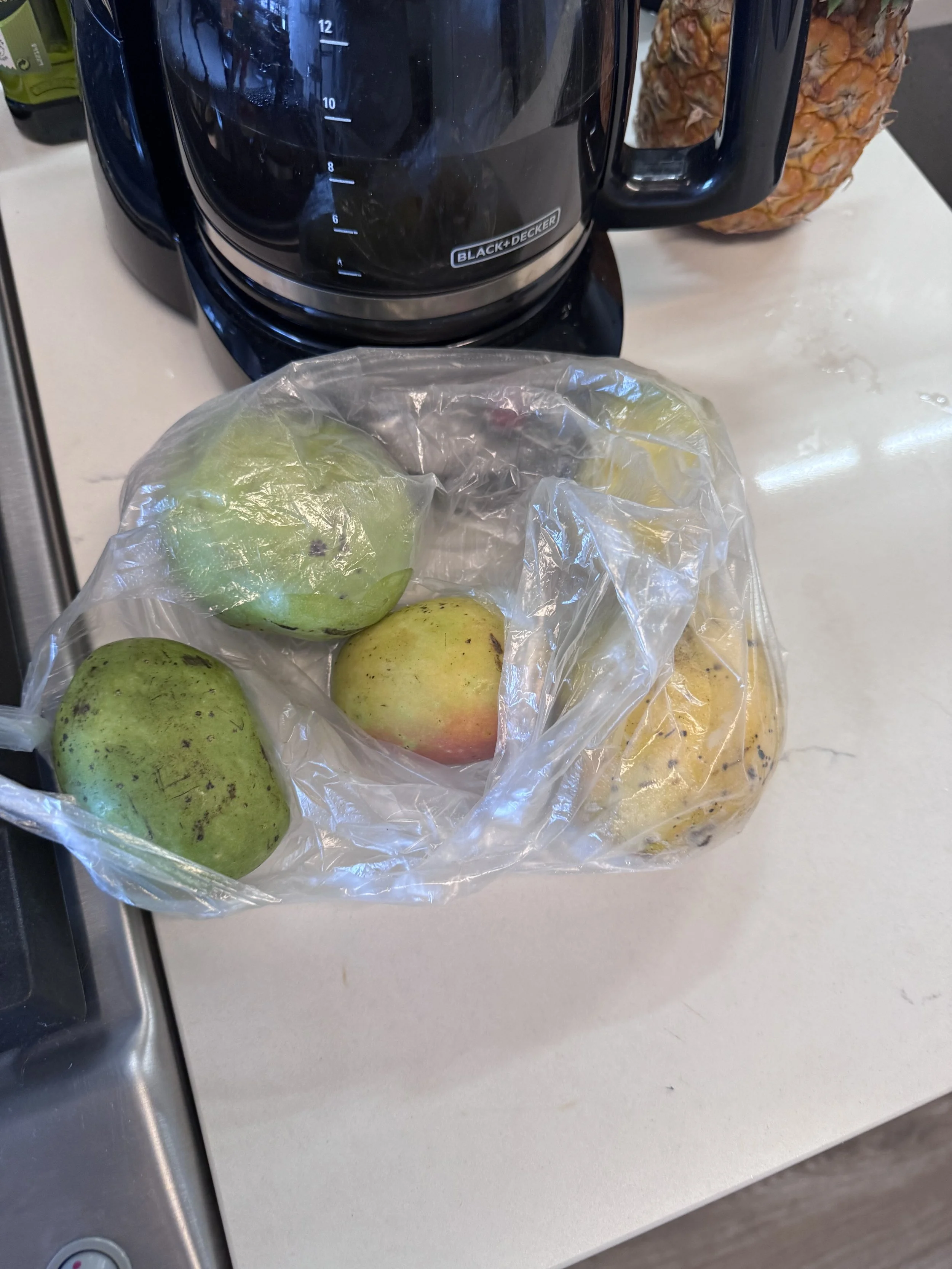
One of my favorite purchases so far was a pineapple from a vendor outside El Machetazo. It cost fifty cents. It was smaller than the pineapples I was used to buying in the United States, but it was also one of the sweetest I can remember eating. That little pineapple stuck with me because it represents exactly the kind of detail I want this blog to preserve. I do not want to remember only the major milestones. I want to remember the fifty-cent pineapple, the first grocery store where I did not recognize half the brands, the first time I ordered something in Spanish and was understood, and the small everyday moments that make a place begin to feel real.
There have also been plenty of practical reminders that moving abroad is not the same thing as taking an extended vacation. Residency has meant appointments, documents, fees, signatures, and notary work. The driver’s-license process introduced another wrinkle when I realized we needed our physical U.S. licenses here in Panama. They were still in Texas, so my son had to send them by FedEx Priority at a cost of about $200. It is exactly the kind of expense that never shows up in the simplified version of “what it costs to move abroad,” but it is part of the real experience. There is always one more document, courier charge, fee, or unexpected step that sits between the big categories.
Healthcare also became real almost immediately. It is one thing to research hospitals, pharmacies, and insurance from the United States. It is another thing to actually need a doctor, need medication, and figure out how the system works when you are already here. We had to do that within our first week, and while I would have preferred not to need medical care so soon, there was something reassuring about getting that first experience behind us. One more unknown became something we now understand a little better.
What has become clear after six days is that we are not on vacation, and that is exactly what we wanted. There are beautiful moments, new places to see, and plenty of things that still feel exciting and unfamiliar, but there are also groceries to buy, appointments to make, dogs to care for, laundry to do, bills to pay, and routines to build. The goal was never to create a permanent vacation. It was to create a different kind of life.
We are still at the very beginning, and I would never pretend that six days is enough time to understand Panama. It is not. But six days is enough time to begin noticing things: how people treat you, how easy or difficult it is to get around, how much things cost, how different neighborhoods feel, how language shapes your daily interactions, and how many little victories it takes before a new place starts to feel less foreign.
Soon, we will leave Panama City and head toward Bocas del Toro, where the rhythm will change completely. The city, the appointments, the towers, and the traffic will give way to boats, islands, beaches, and a very different way of moving through the day. That contrast is part of what drew us to Panama in the first place. There is still so much of this country we have not seen, so much history we have not learned, and so many people we have not met.
For most of my adult life, I was used to knowing what came next. There was always a schedule, a mission, a meeting, a deadline, or a career milestone. There is still planning in our lives now, of course, but there is also far more room for the unexpected. That is what I hope to capture here: not just where we go, but what we discover about the people, the culture, the history, the places, and ourselves as we move through it.
That is why I called this Life Beyond the Itinerary.
The itinerary gets you there.
The part worth remembering begins after you arrive.
For months, Panama had existed mostly in conversation, planning documents, reservations, checklists, and the kind of late-night research that comes with making a major life change. Janice and I had already come down in May to put boots on the ground and decide whether Panama could really be the place where we wanted to begin the next chapter after retirement. That first trip mattered because we did not want to make the decision based only on videos, expat groups, glossy travel sites, or other people’s opinions. We wanted to walk the streets ourselves, see the neighborhoods, get a feel for the pace of life, talk to people, and imagine what an ordinary Tuesday might feel like here. By the time we left in May, Panama had moved from being an interesting possibility to something that felt real.
Returning on August 31 was completely different. This time, we were not coming for a visit. We were arriving with luggage, two dogs, paperwork, plans for residency, and the understanding that we were not flying back to resume the old routine. That alone changed the feeling of everything. Even the airport felt different when I knew there was no return trip waiting at the other end of the calendar.
One of the biggest concerns leading up to the move was getting Gizmo and Ruby into the country. Anyone who has traveled internationally with pets knows there is a lot more involved than simply putting them in carriers and getting on a plane. There were health certificates, vaccination records, endorsements, government paperwork, airline requirements, and a lot of double-checking to make sure nothing had been missed. By the time we landed in Panama, I had probably reviewed those documents more times than I care to admit. Even when you think everything is in order, there is still a moment of uncertainty when you are standing at the counter waiting for someone else to confirm that you did it all correctly.
Thankfully, the process worked. We completed the required MINSA and animal-entry steps, paid the fees, and eventually got the clearance we needed. Gizmo and Ruby were officially in Panama with us. That might sound like a small detail compared with moving to another country, but in that moment it felt like one of the biggest accomplishments of the entire trip. The four of us had arrived, and the first hurdle was behind us.
Our temporary home is Casco View in Santa Ana, just outside Casco Viejo. We knew from the start that this would only be our base for a short period while we worked through residency, banking, medical needs, driver’s-license requirements, and all the other practical pieces that come with establishing yourself in another country. Still, walking into the apartment felt different from checking into a hotel or vacation rental. There was no sense that we were counting down the days until we went “home.” For the moment, this was home. That realization came with a strange combination of excitement and normalcy. We had made this enormous move, crossed an international border, and changed the direction of our lives, and yet one of the first things we needed to do was figure out where to buy groceries.
That may be one of the biggest differences between visiting somewhere and living there. When you are on vacation, you ask what there is to see. When you live somewhere, you ask where to buy detergent, where the pharmacy is, how much an Uber costs, which grocery store has what you need, and whether the thing you are looking for is called something completely different in Spanish. Those are the parts of daily life that never make it onto a tourism brochure, but they are exactly the things that start turning a foreign place into somewhere familiar.
Uber has become one of our best tools for learning the city. In less than a week, we have used it to get to medical appointments, Tower Financial for Pensionado and notary work, Panama Art Supply, different stores, and various errands around the city. Most of the rides have only cost a few dollars, which is still something I find surprisingly reasonable, but the real value has been seeing the city one ride at a time. Every trip gives me another look at Panama City: the way one neighborhood changes into another, the mix of old buildings and new towers, the traffic patterns, the storefronts, the local businesses, the areas that feel polished, and the areas that feel very much lived in.
Those Uber rides have also become some of our first real opportunities to practice Spanish. We are learning, and right now that means plenty of moments where I say something badly, someone tries to answer in English, and we both work our way toward understanding. What has impressed me most is how patient people have been. There have already been several interactions where someone could have easily become frustrated with us, but instead they slowed down, tried another word, smiled, or found some other way to get the point across. Those little exchanges have stayed with me because they tell me something about the people here that I could never learn from a travel article.
The grocery stores have been another education. We have already shopped at Mr. Precio, Rey Casco Viejo, and El Machetazo, and each trip has been part errand and part discovery. Grocery shopping is one of those ordinary activities that tells you a lot about a place: what people eat, what products are common, what is imported, what is inexpensive, and what somehow costs more than you expected. We are learning brands, comparing prices, and figuring out which places make sense for different things. Some of our cash has gone toward groceries, some toward the dogs’ entry process, and some toward the small everyday purchases that come with starting over.
One of my favorite purchases so far was a pineapple from a vendor outside El Machetazo. It cost fifty cents. It was smaller than the pineapples I was used to buying in the United States, but it was also one of the sweetest I can remember eating. That little pineapple stuck with me because it represents exactly the kind of detail I want this blog to preserve. I do not want to remember only the major milestones. I want to remember the fifty-cent pineapple, the first grocery store where I did not recognize half the brands, the first time I ordered something in Spanish and was understood, and the small everyday moments that make a place begin to feel real.
There have also been plenty of practical reminders that moving abroad is not the same thing as taking an extended vacation. Residency has meant appointments, documents, fees, signatures, and notary work. The driver’s-license process introduced another wrinkle when I realized we needed our physical U.S. licenses here in Panama. They were still in Texas, so my son had to send them by FedEx Priority at a cost of about $200. It is exactly the kind of expense that never shows up in the simplified version of “what it costs to move abroad,” but it is part of the real experience. There is always one more document, courier charge, fee, or unexpected step that sits between the big categories.
Healthcare also became real almost immediately. It is one thing to research hospitals, pharmacies, and insurance from the United States. It is another thing to actually need a doctor, need medication, and figure out how the system works when you are already here. We had to do that within our first week, and while I would have preferred not to need medical care so soon, there was something reassuring about getting that first experience behind us. One more unknown became something we now understand a little better.
What has become clear after six days is that we are not on vacation, and that is exactly what we wanted. There are beautiful moments, new places to see, and plenty of things that still feel exciting and unfamiliar, but there are also groceries to buy, appointments to make, dogs to care for, laundry to do, bills to pay, and routines to build. The goal was never to create a permanent vacation. It was to create a different kind of life.
We are still at the very beginning, and I would never pretend that six days is enough time to understand Panama. It is not. But six days is enough time to begin noticing things: how people treat you, how easy or difficult it is to get around, how much things cost, how different neighborhoods feel, how language shapes your daily interactions, and how many little victories it takes before a new place starts to feel less foreign.
Soon, we will leave Panama City and head toward Bocas del Toro, where the rhythm will change completely. The city, the appointments, the towers, and the traffic will give way to boats, islands, beaches, and a very different way of moving through the day. That contrast is part of what drew us to Panama in the first place. There is still so much of this country we have not seen, so much history we have not learned, and so many people we have not met.
For most of my adult life, I was used to knowing what came next. There was always a schedule, a mission, a meeting, a deadline, or a career milestone. There is still planning in our lives now, of course, but there is also far more room for the unexpected. That is what I hope to capture here: not just where we go, but what we discover about the people, the culture, the history, the places, and ourselves as we move through it.
That is why I called this Life Beyond the Itinerary.
The itinerary gets you there.
The part worth remembering begins after you arrive.