by Kurt Grafton
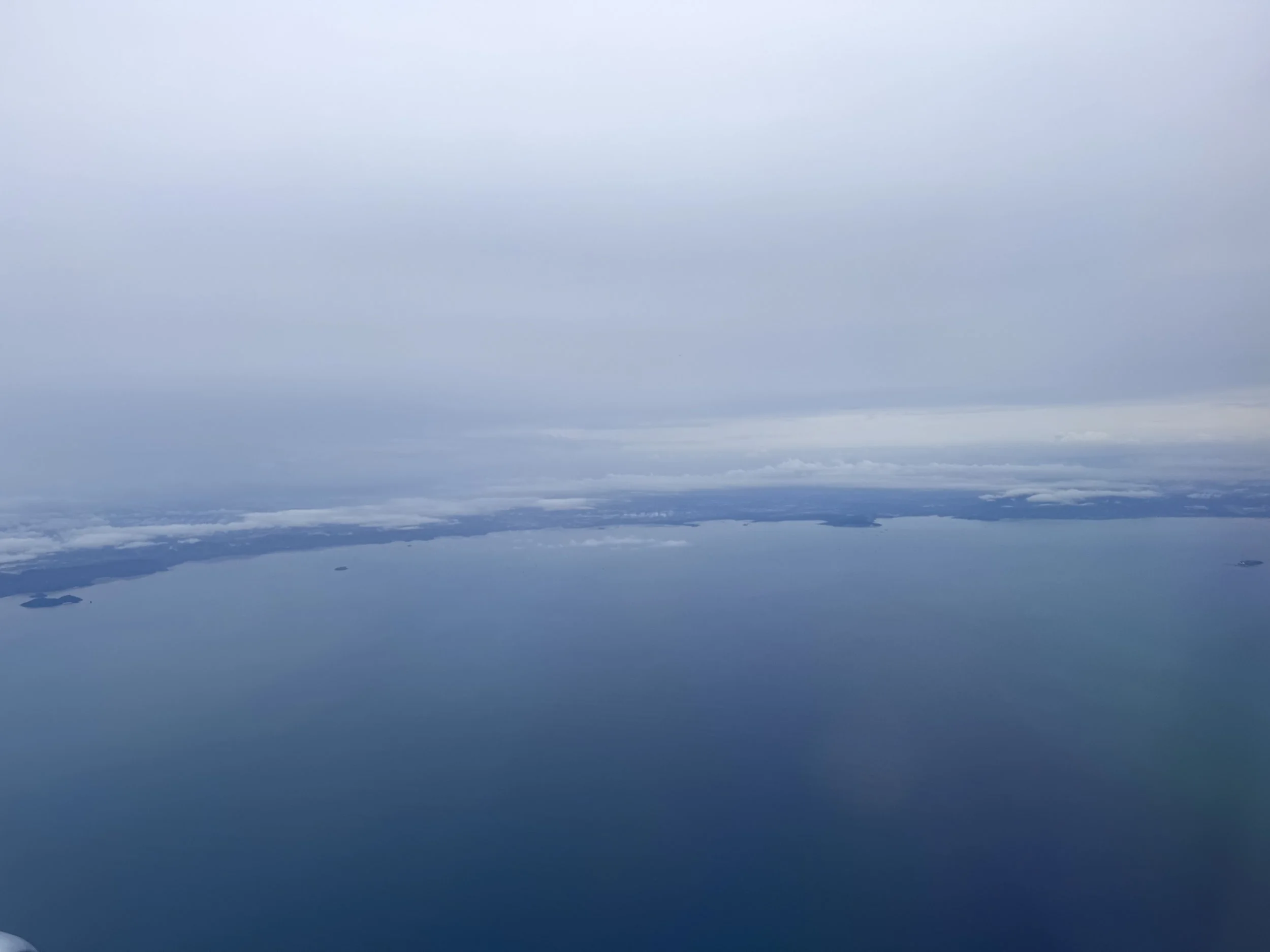
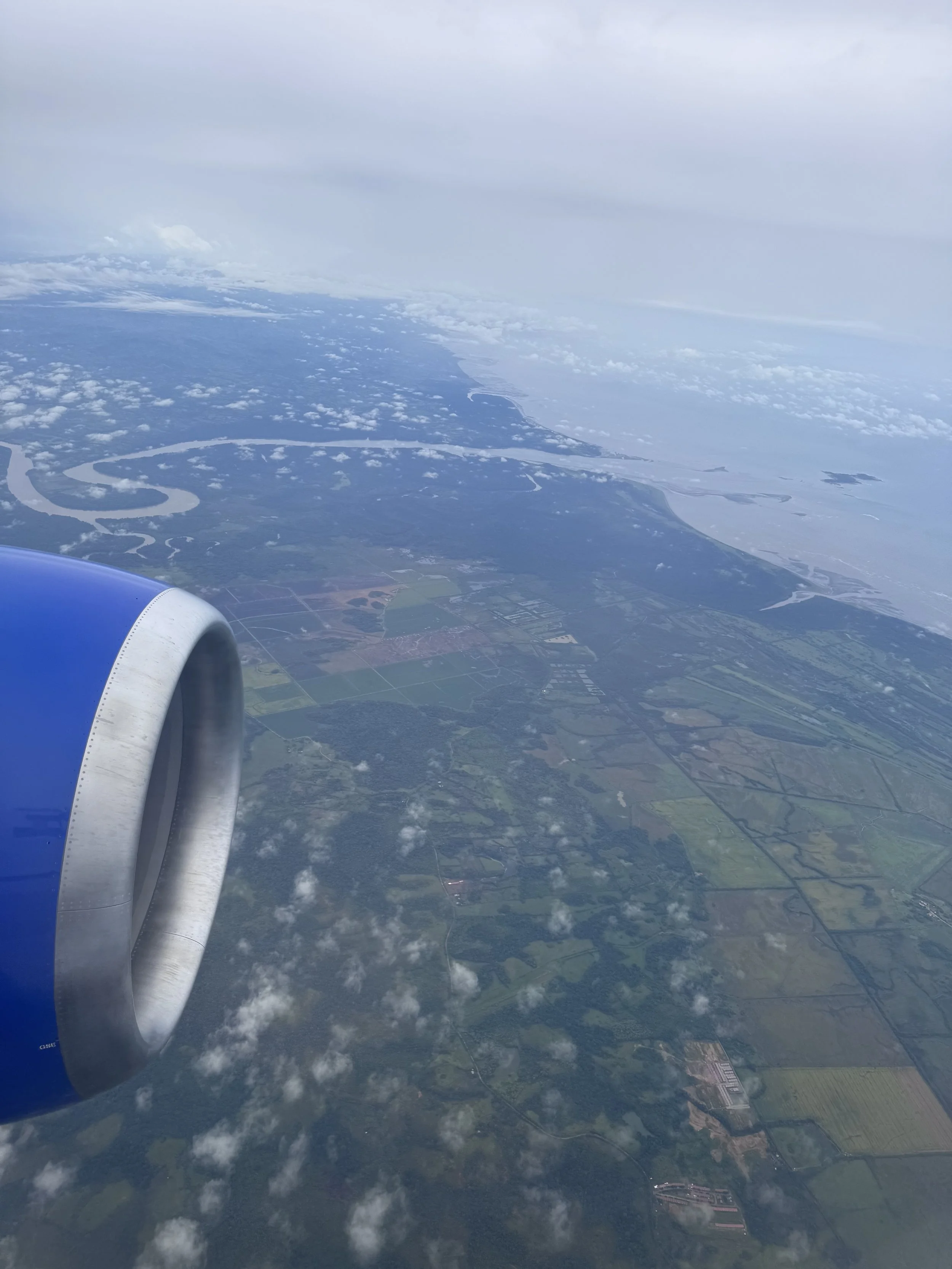
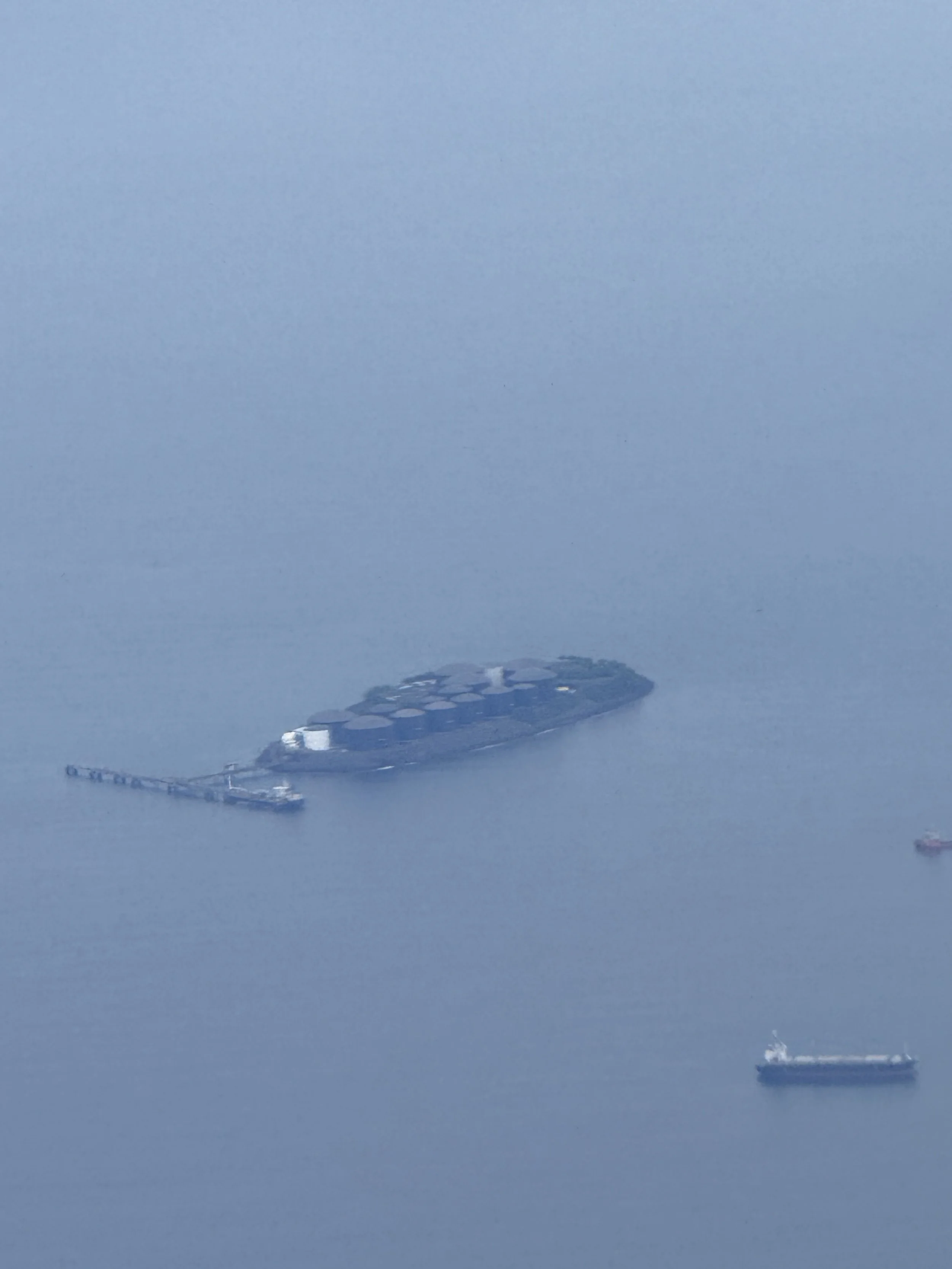
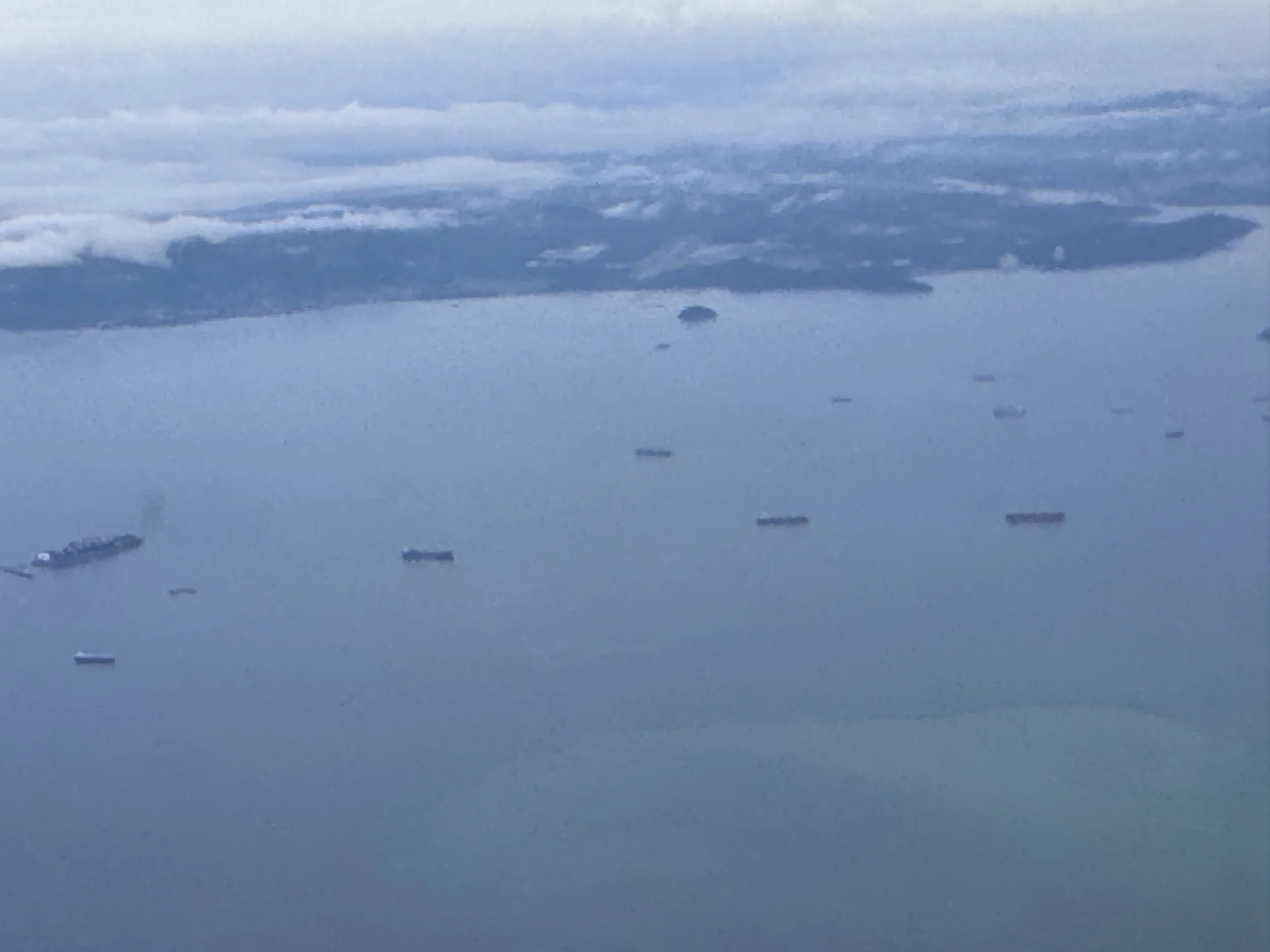
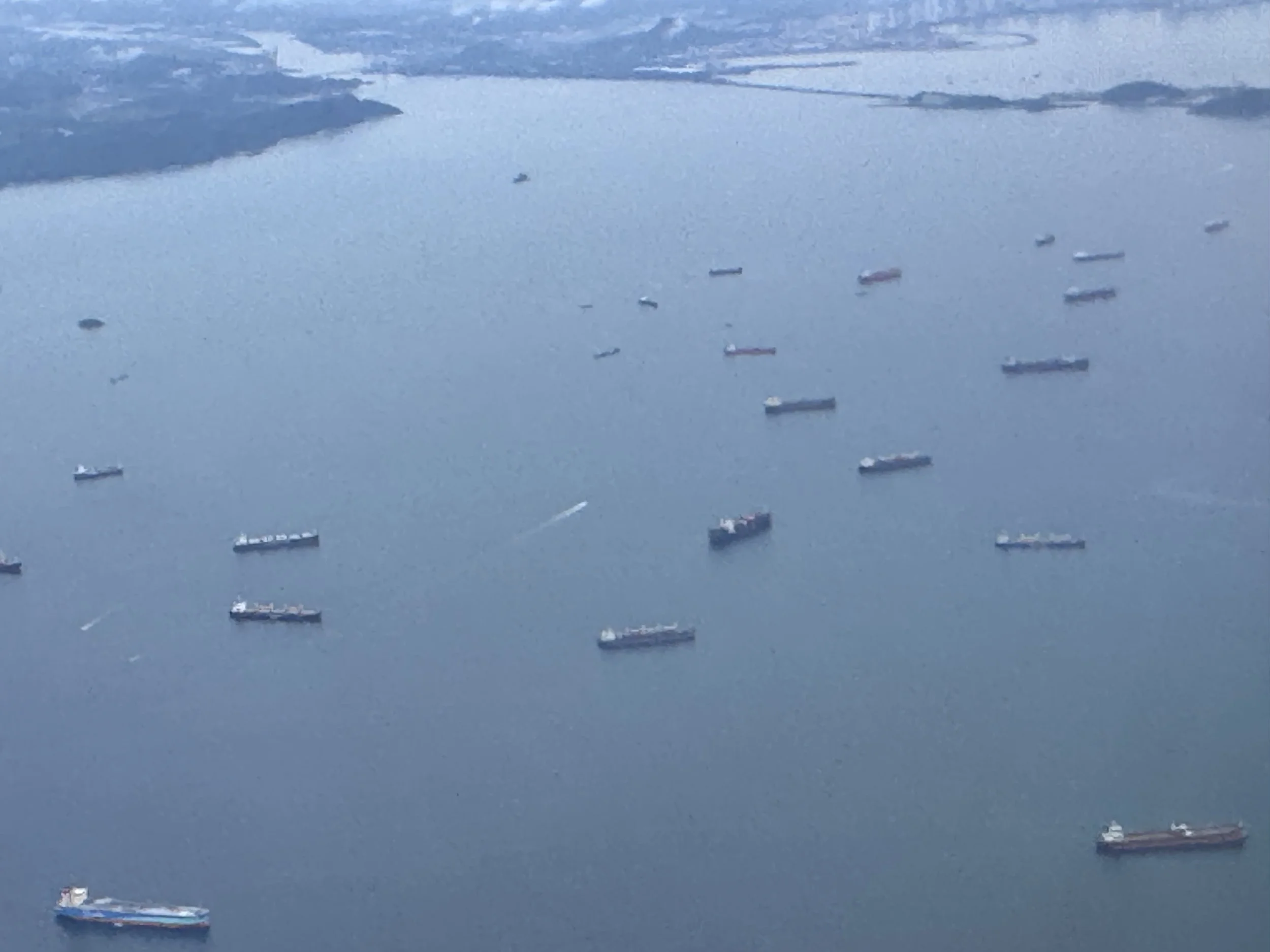
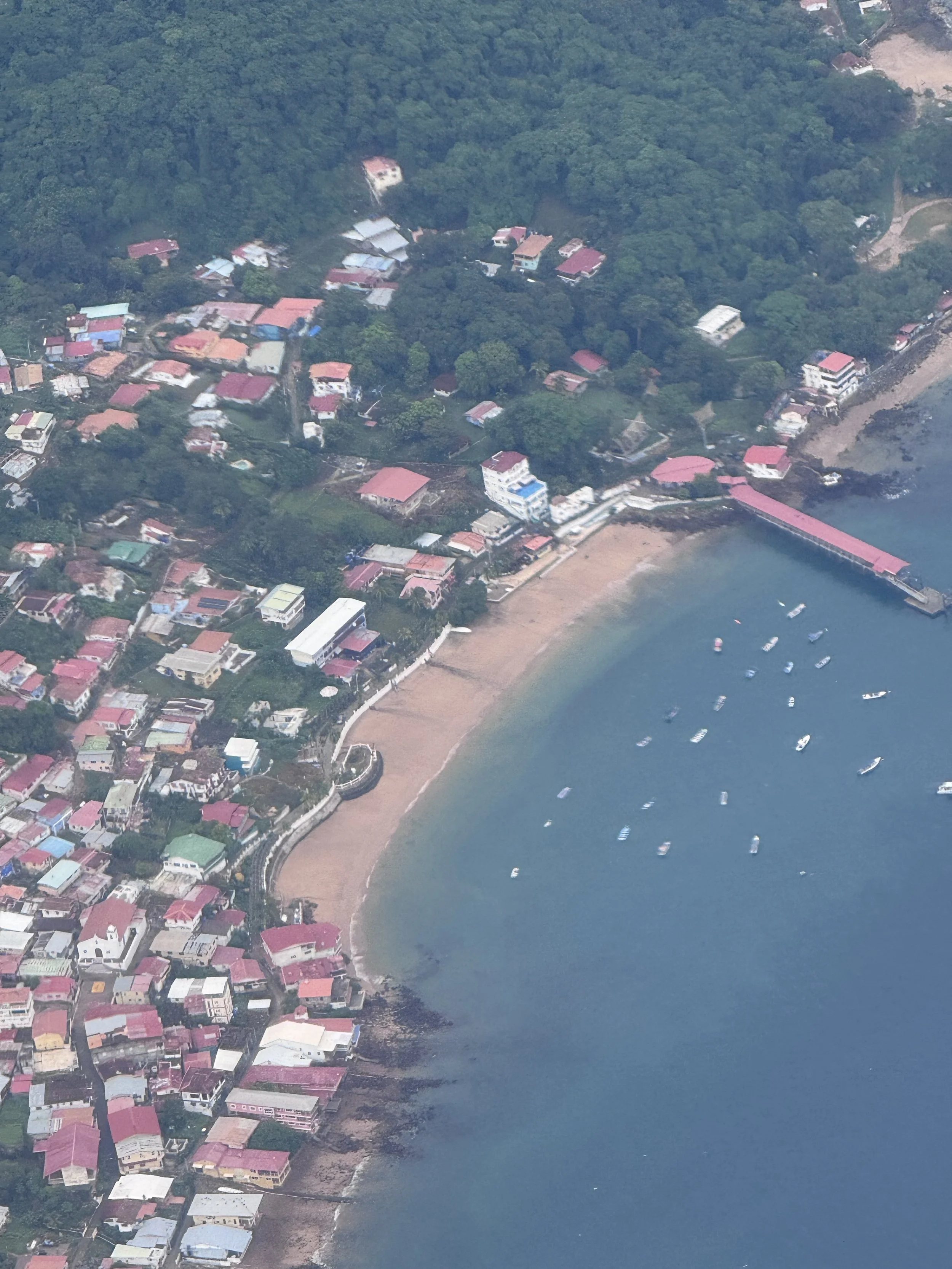
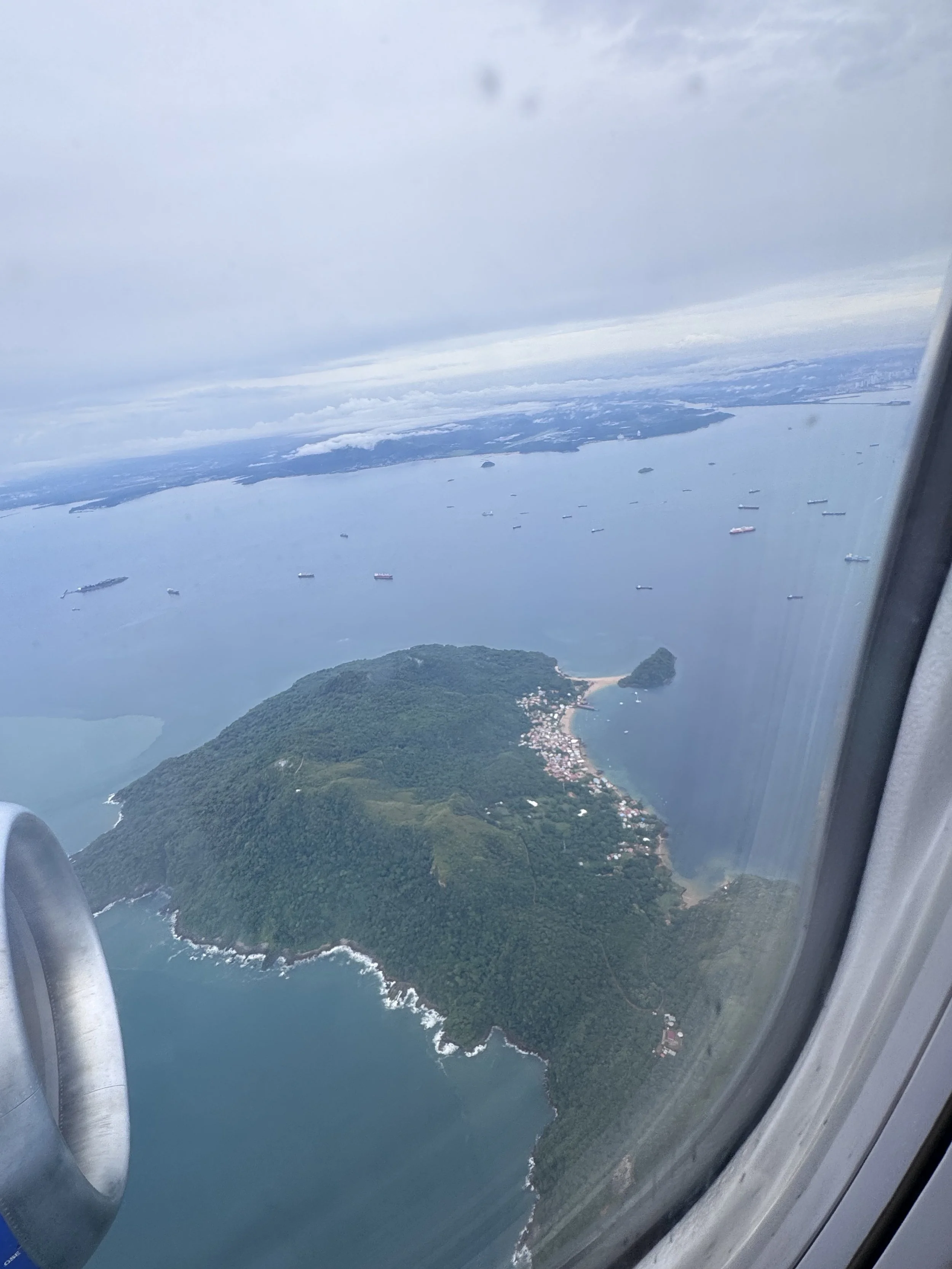
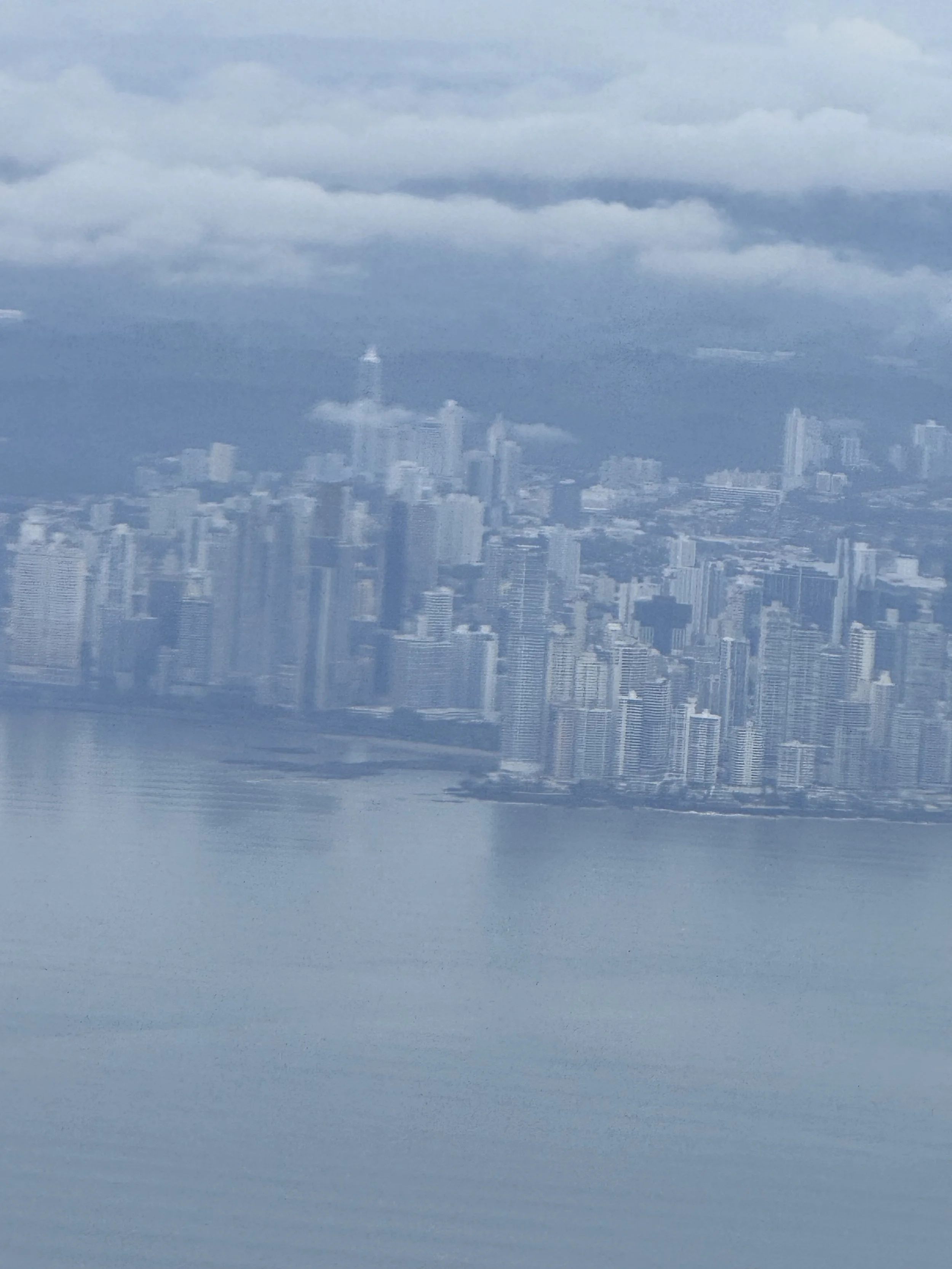
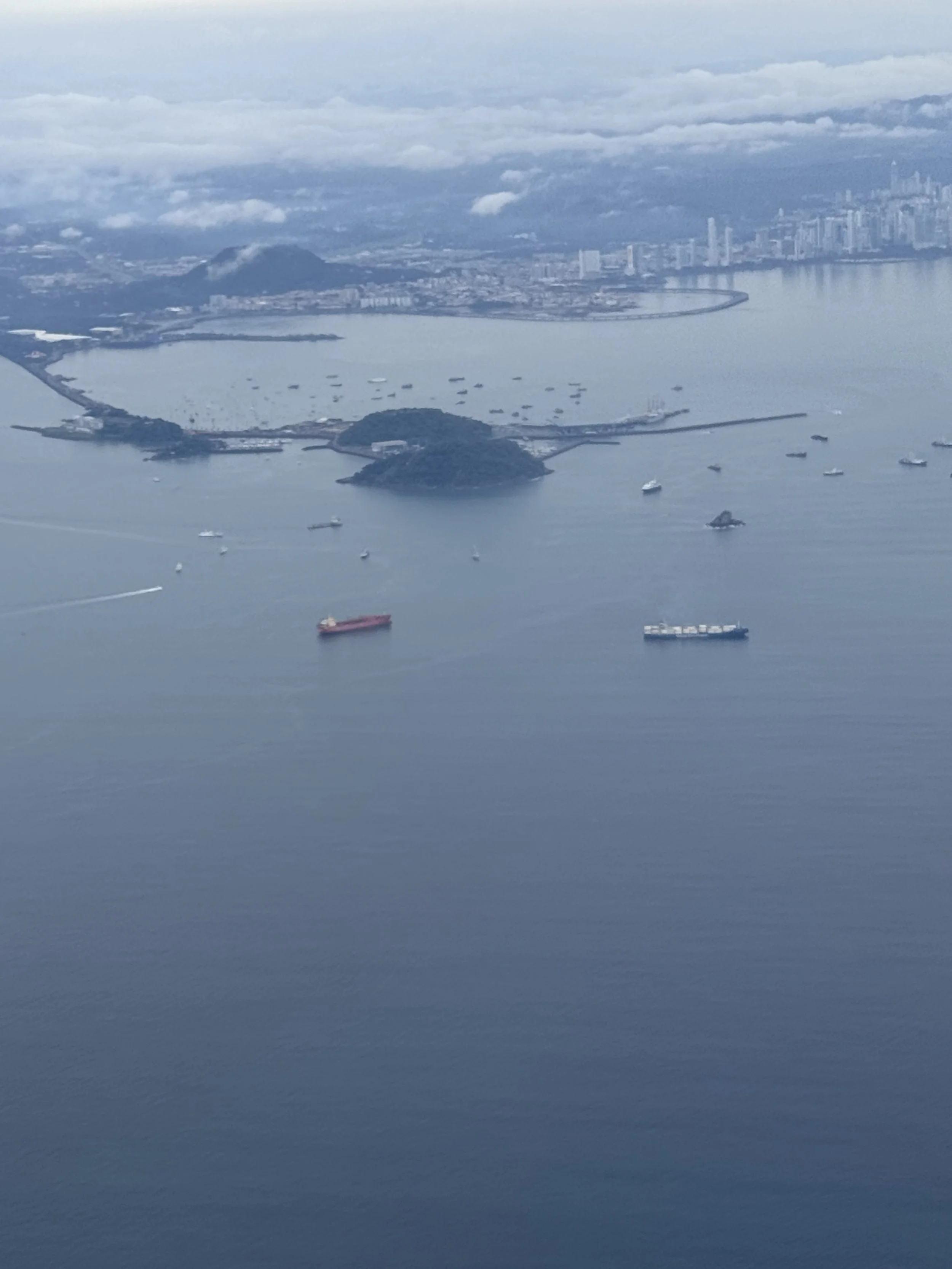
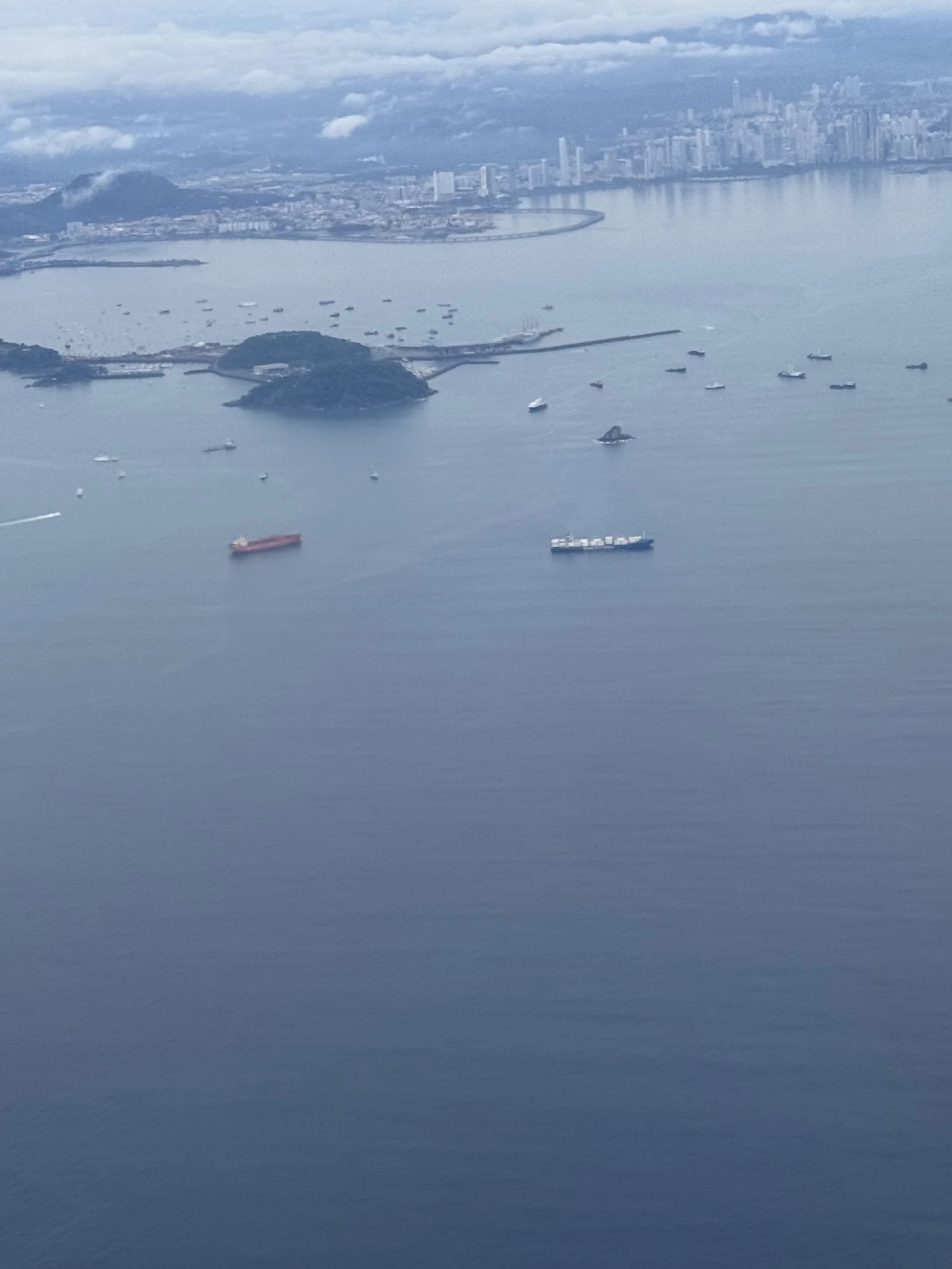
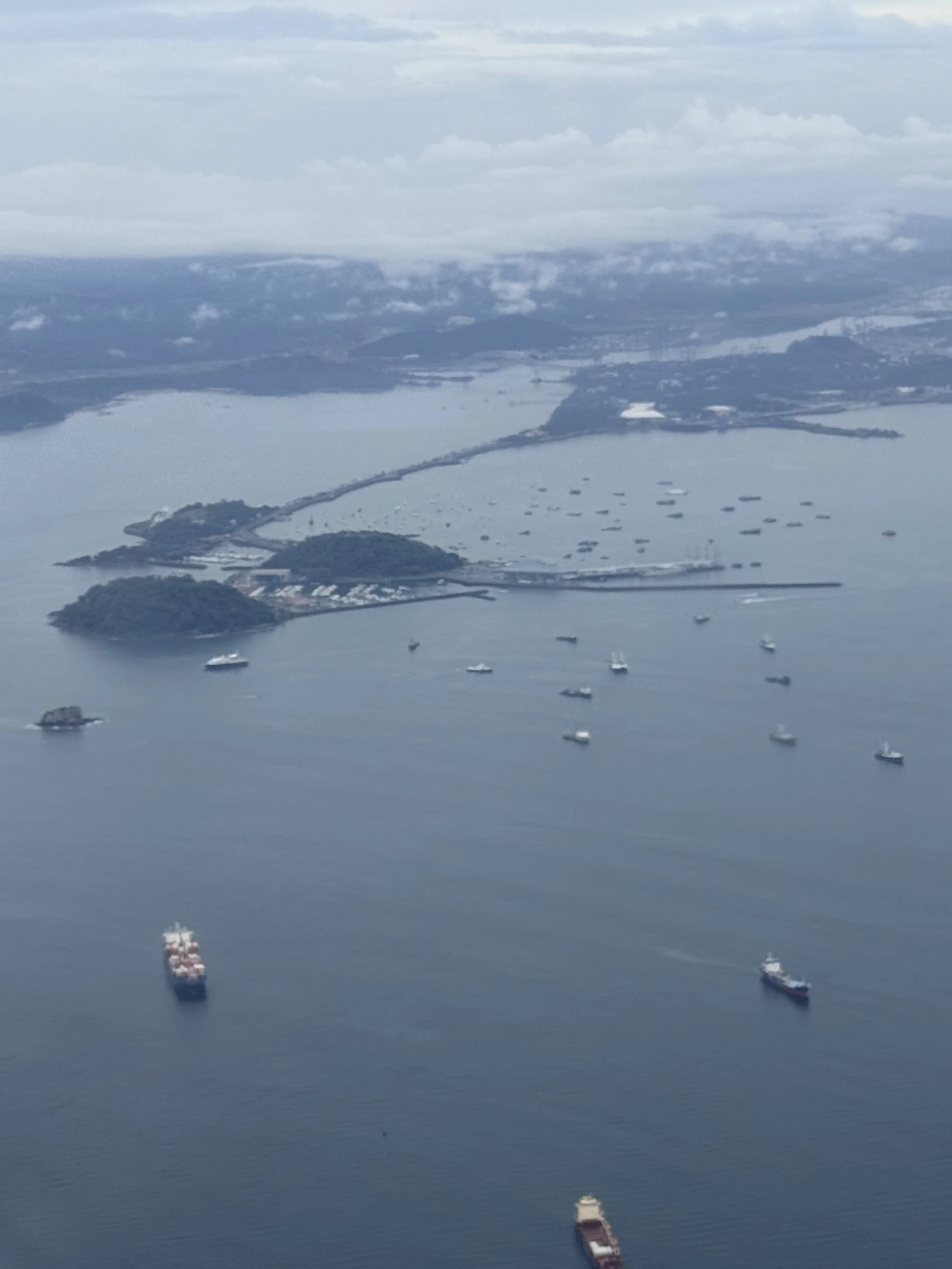
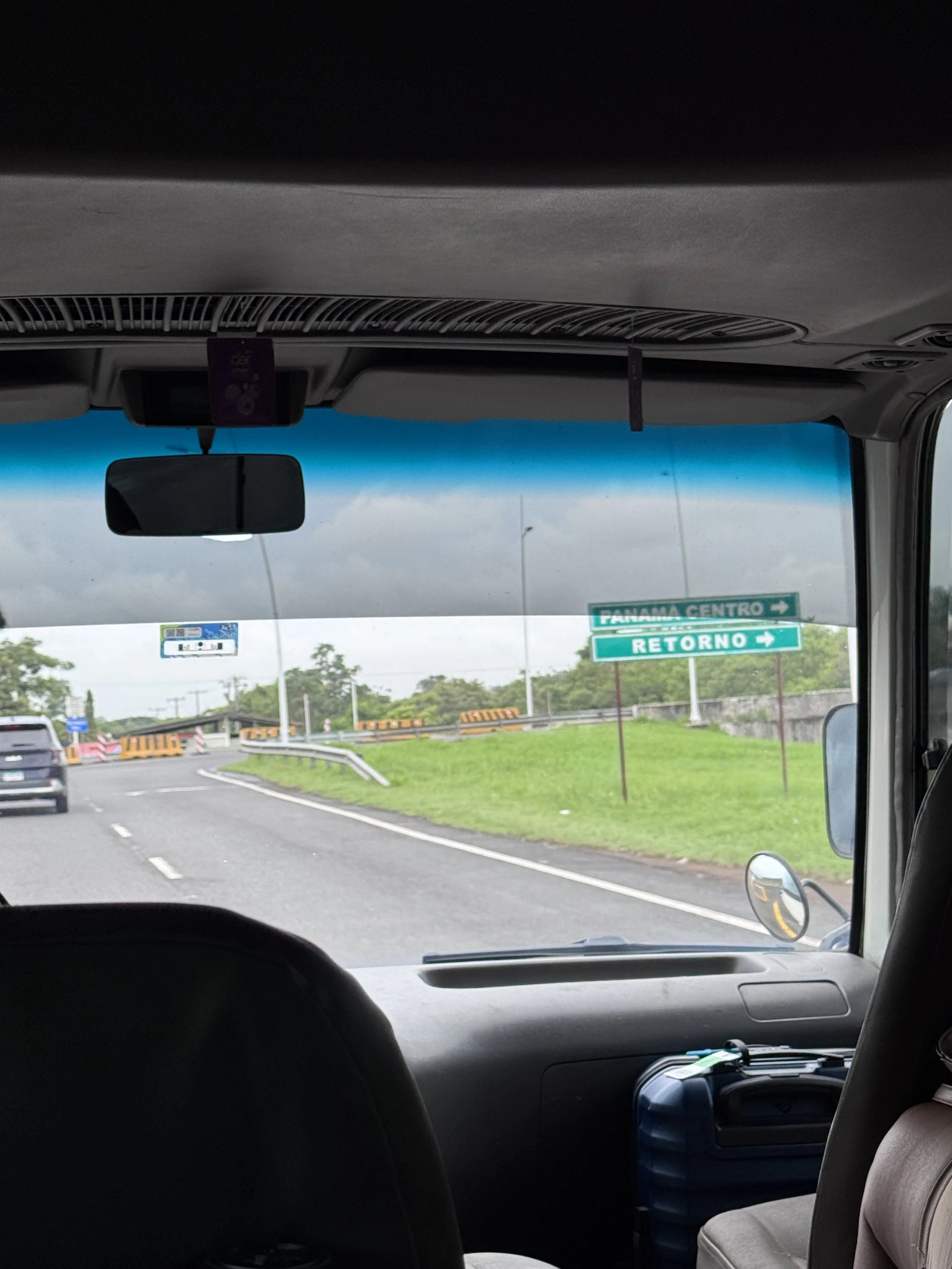
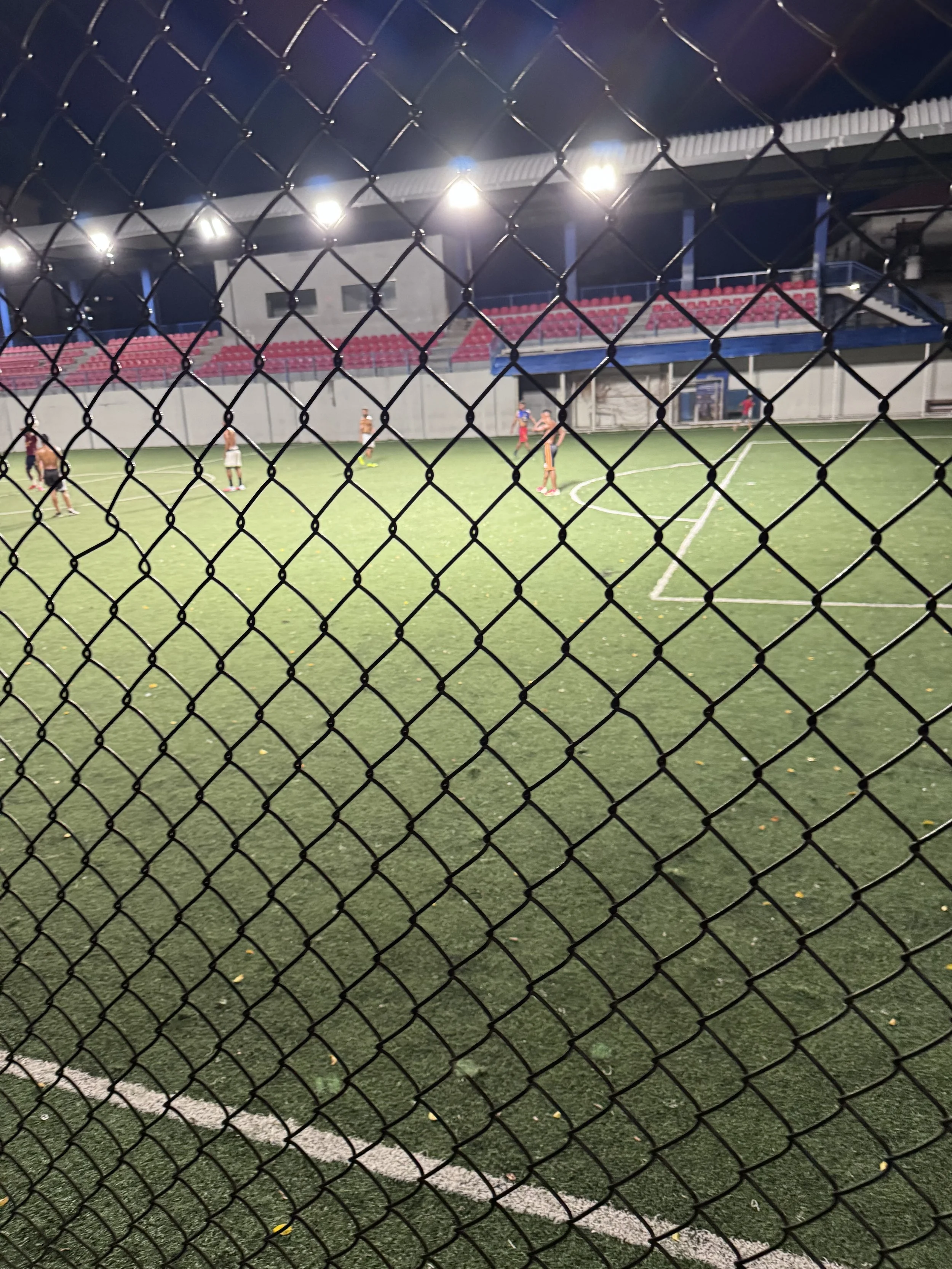
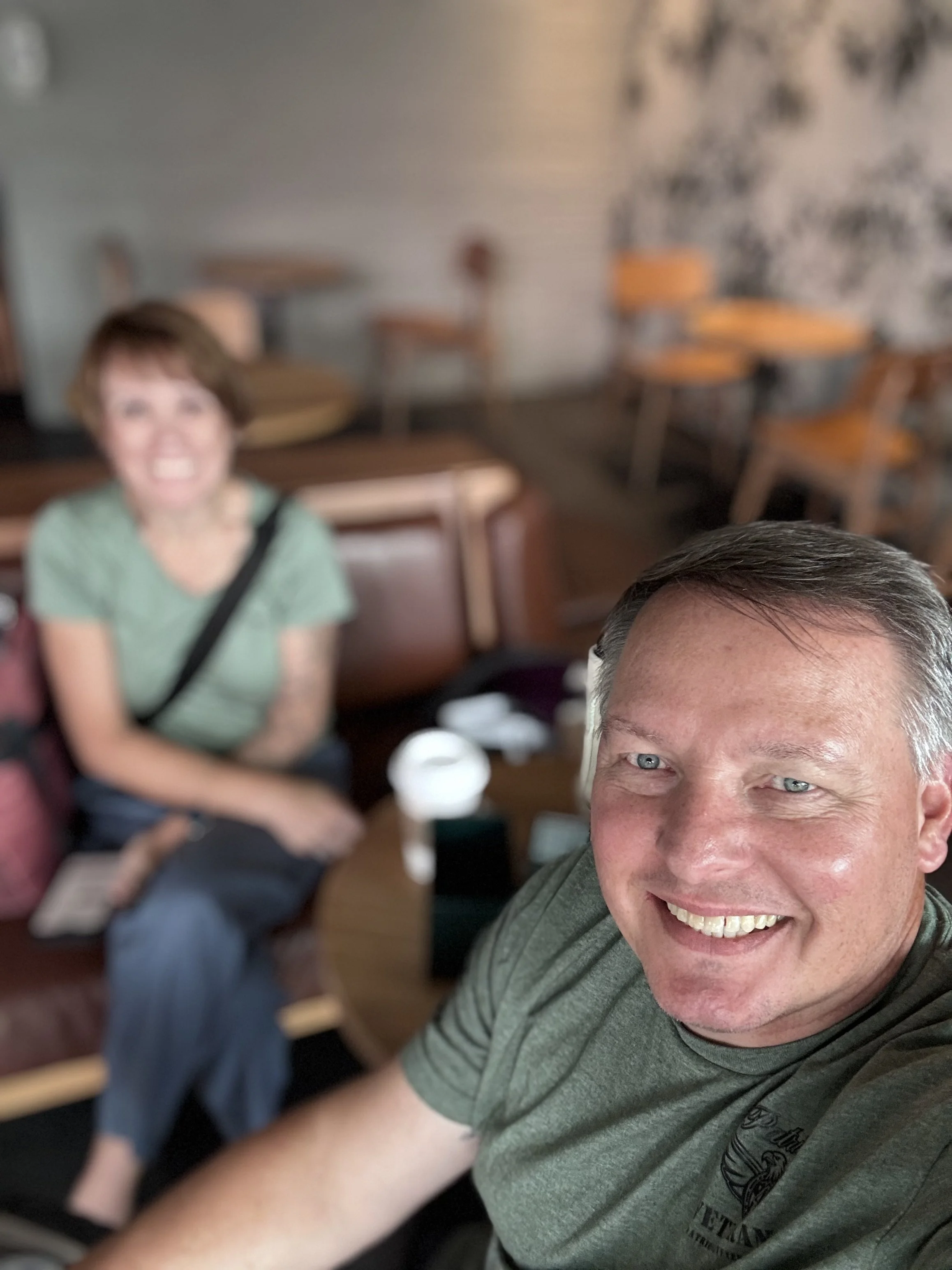
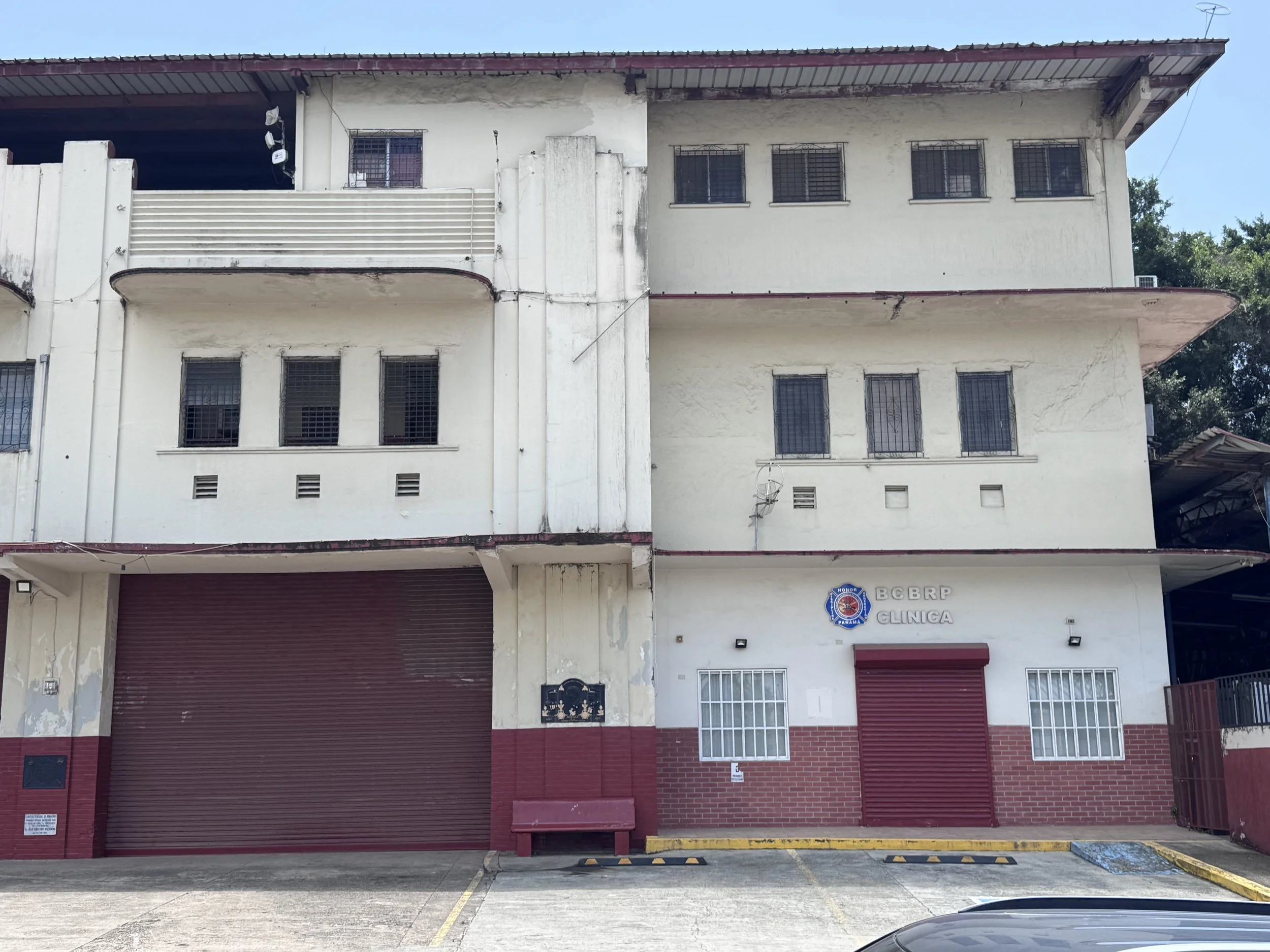
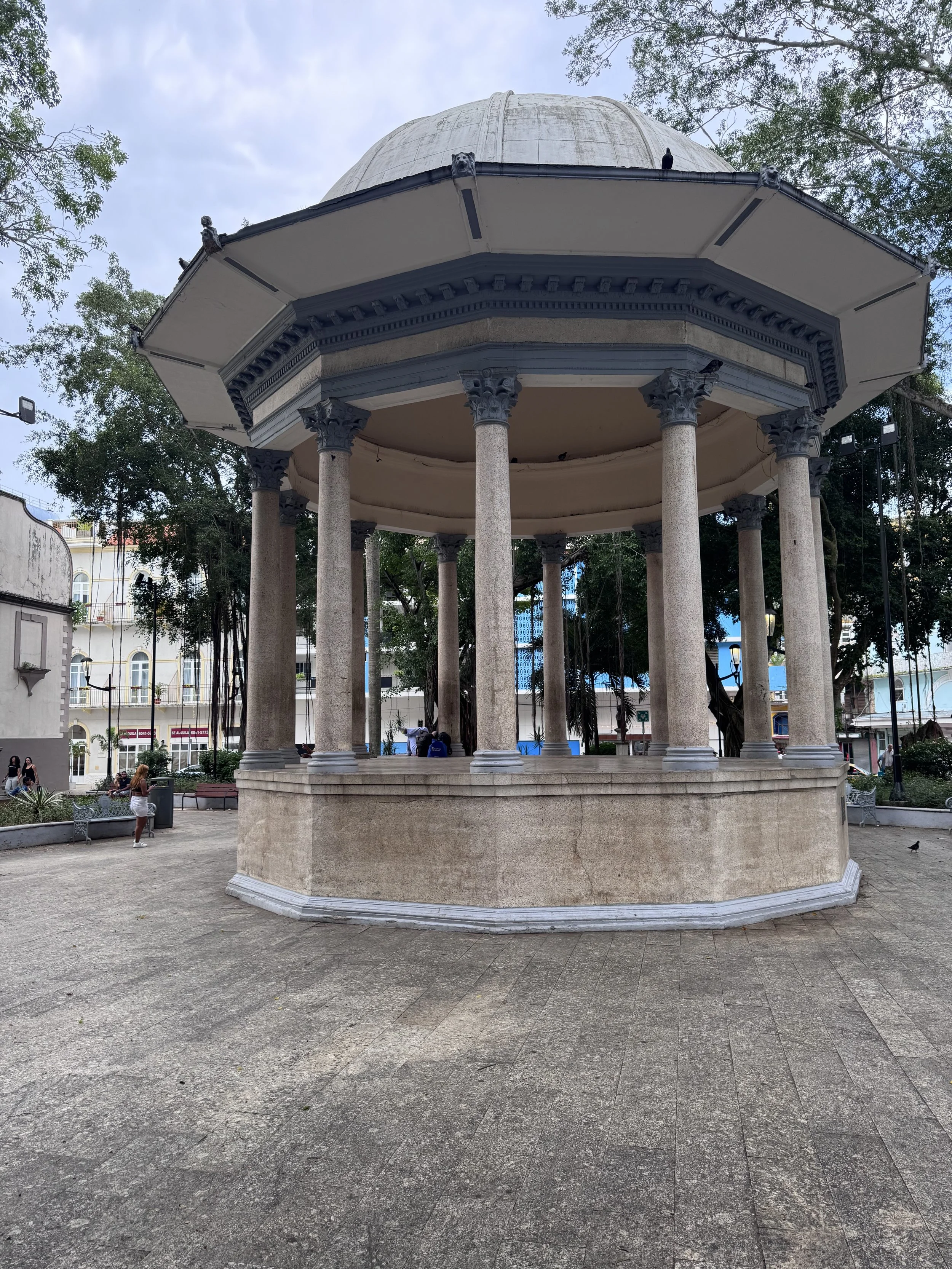
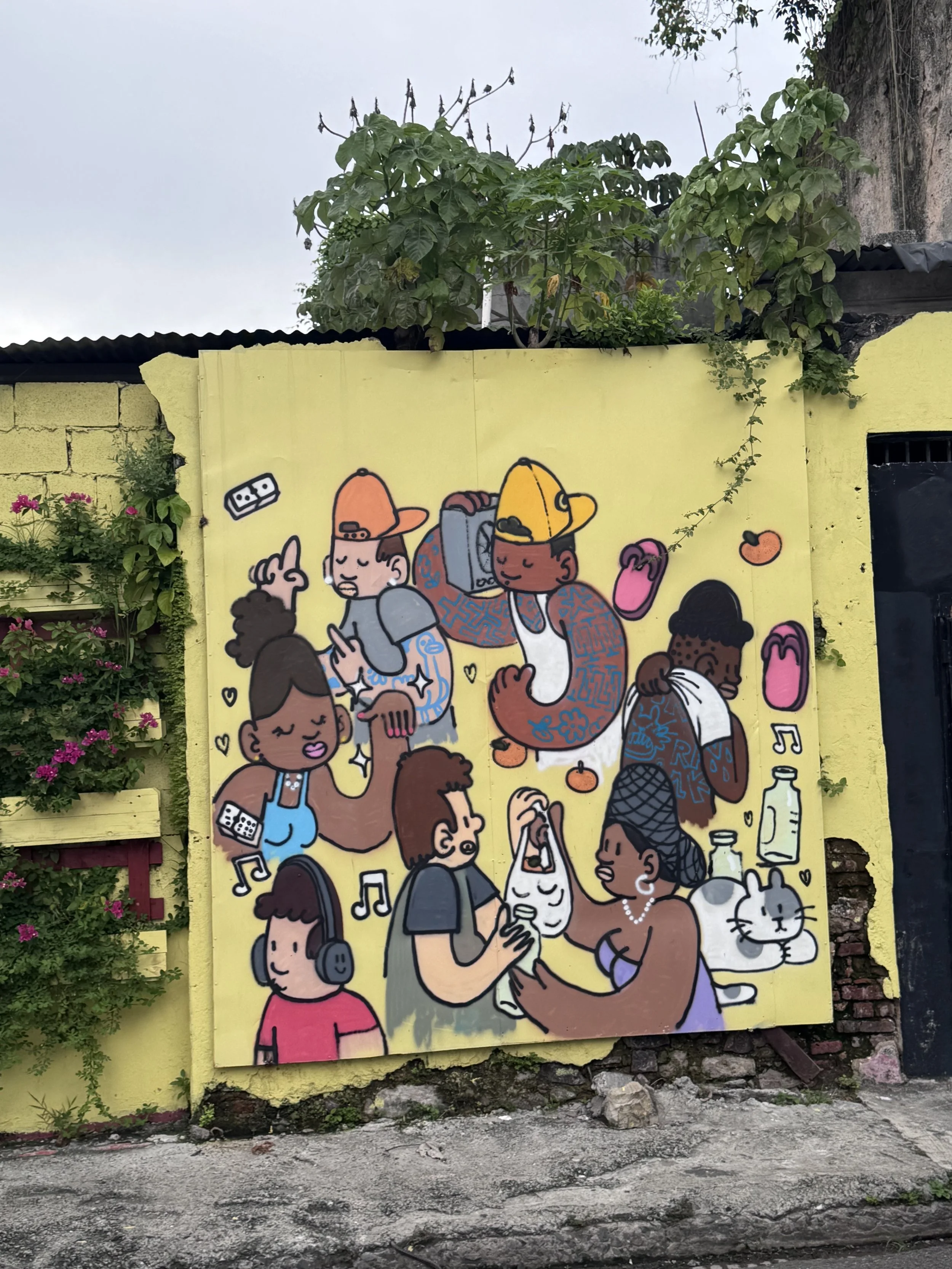
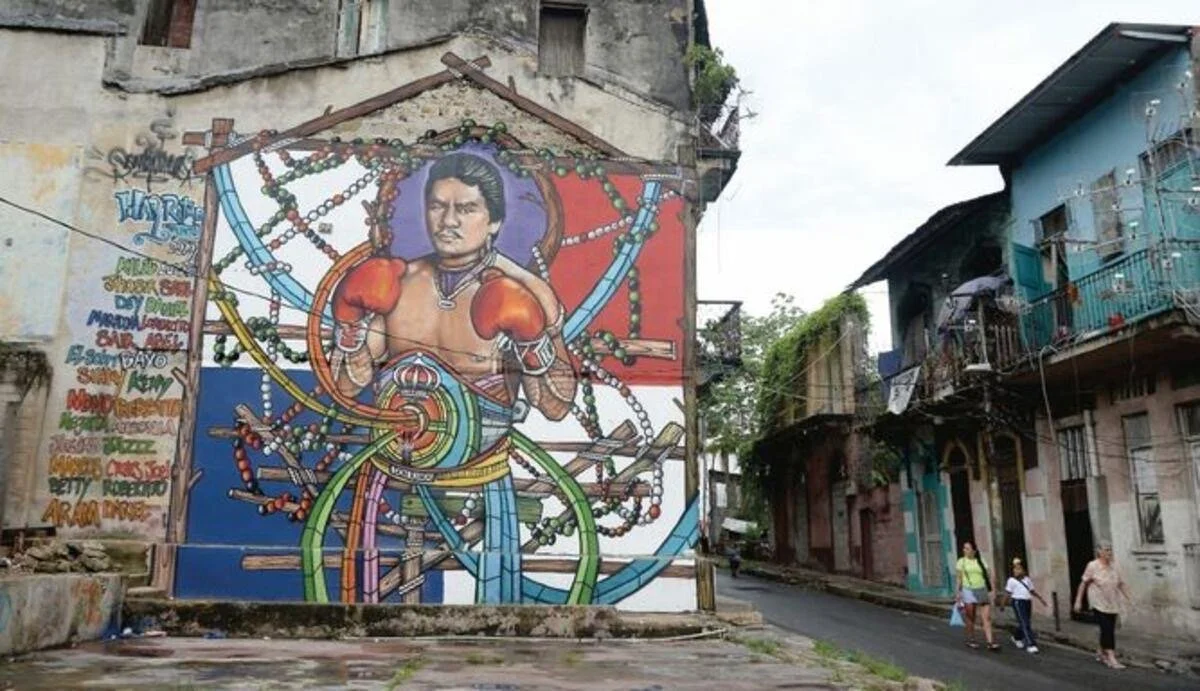
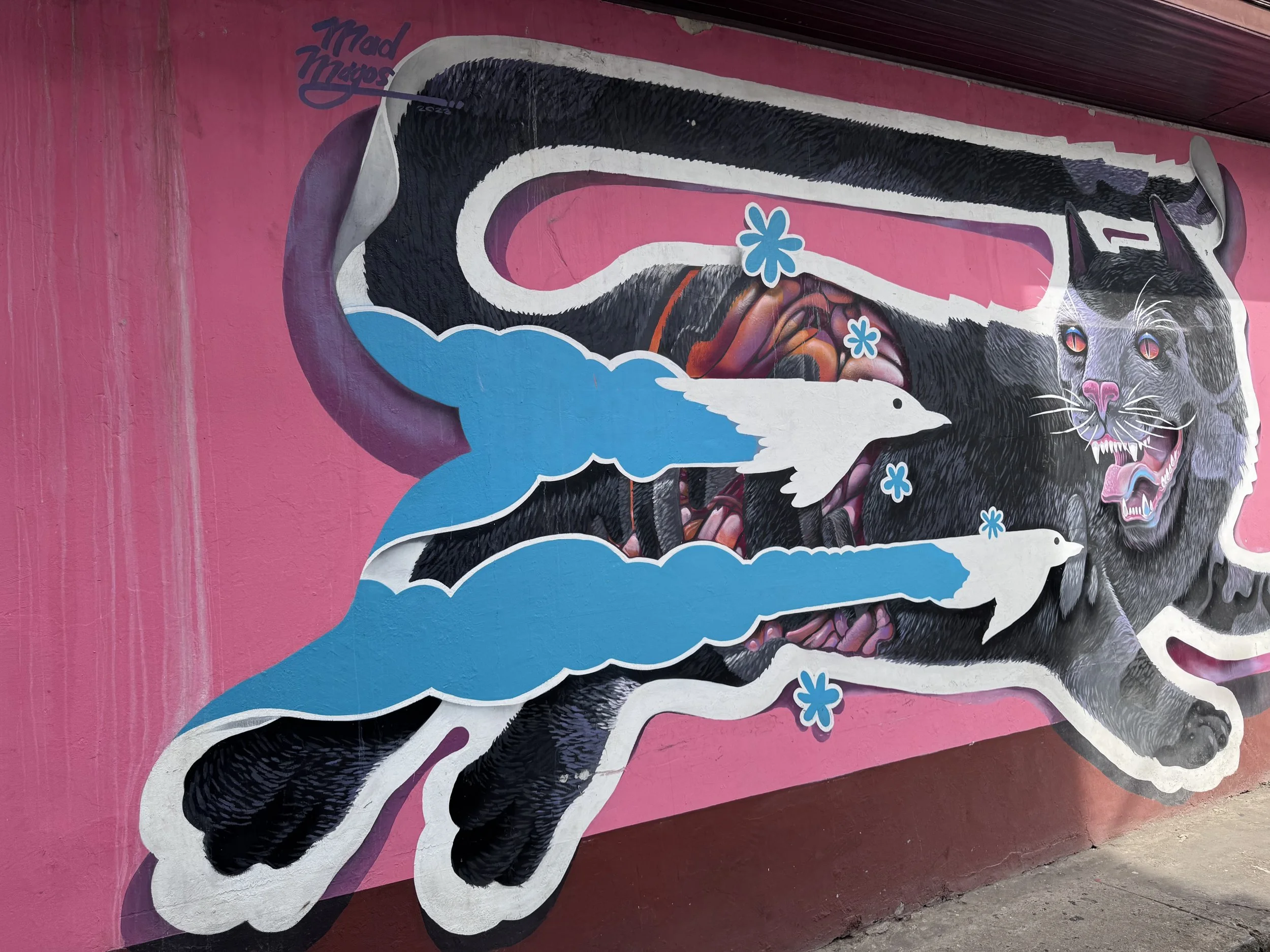
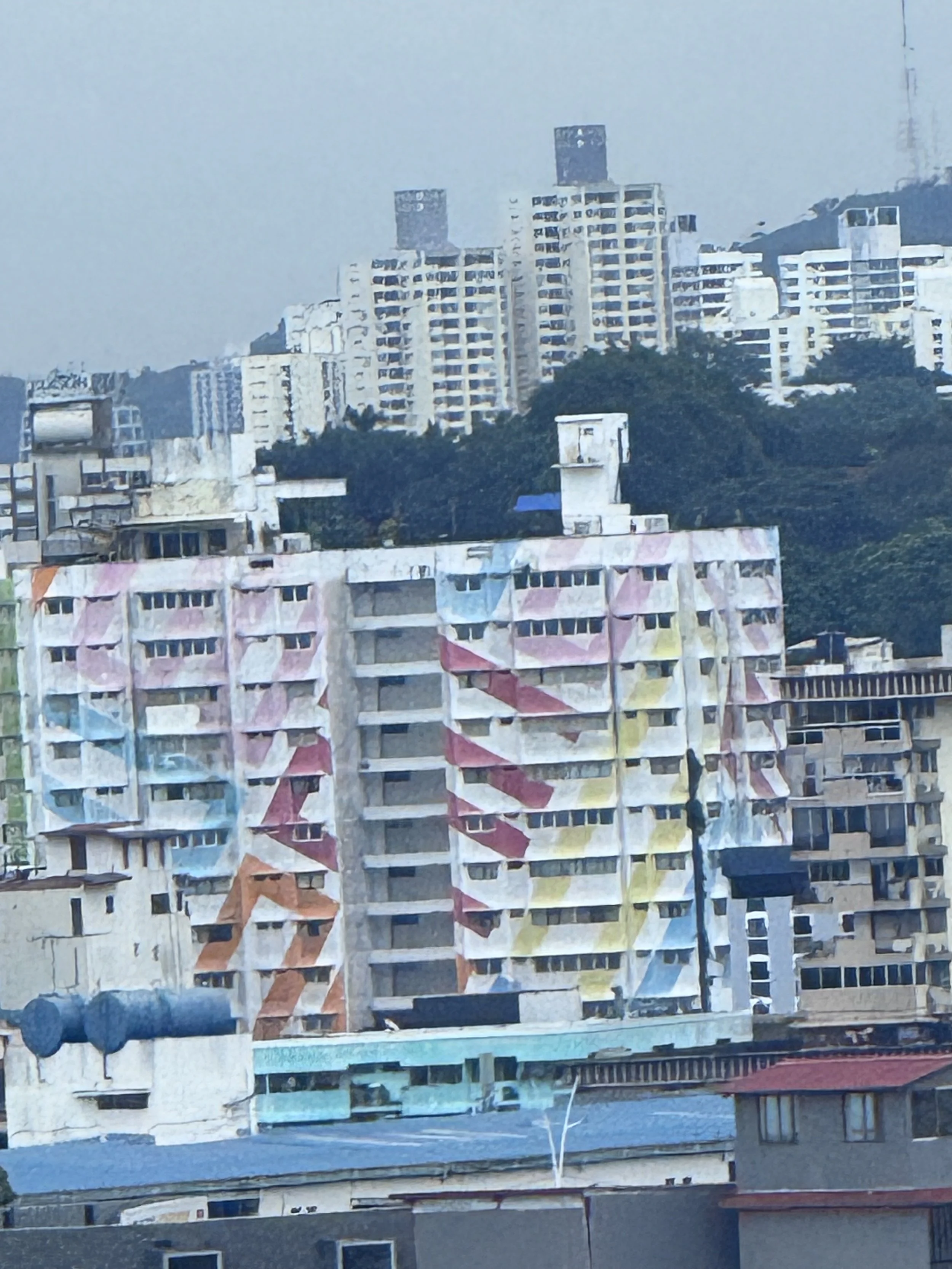
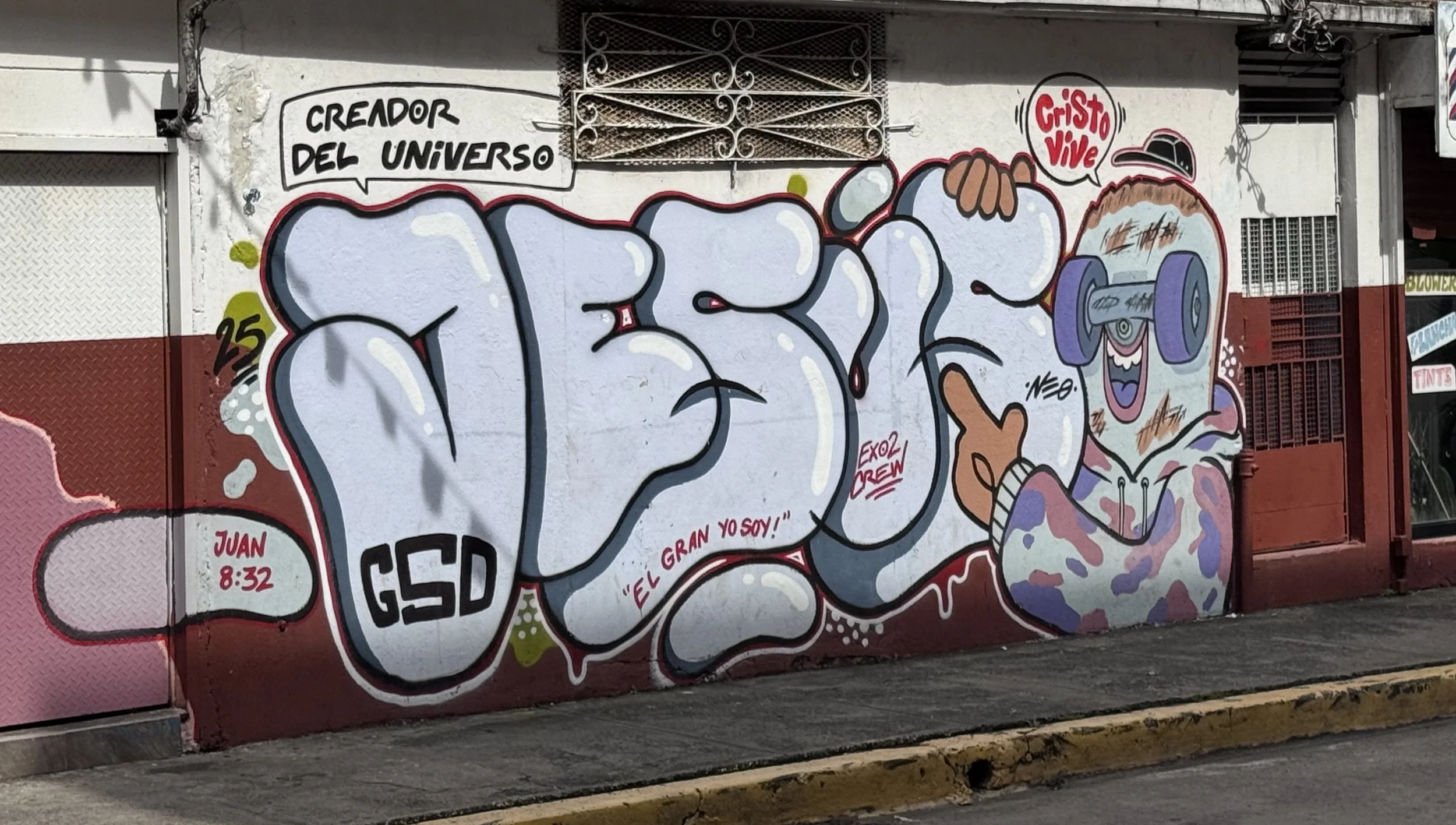
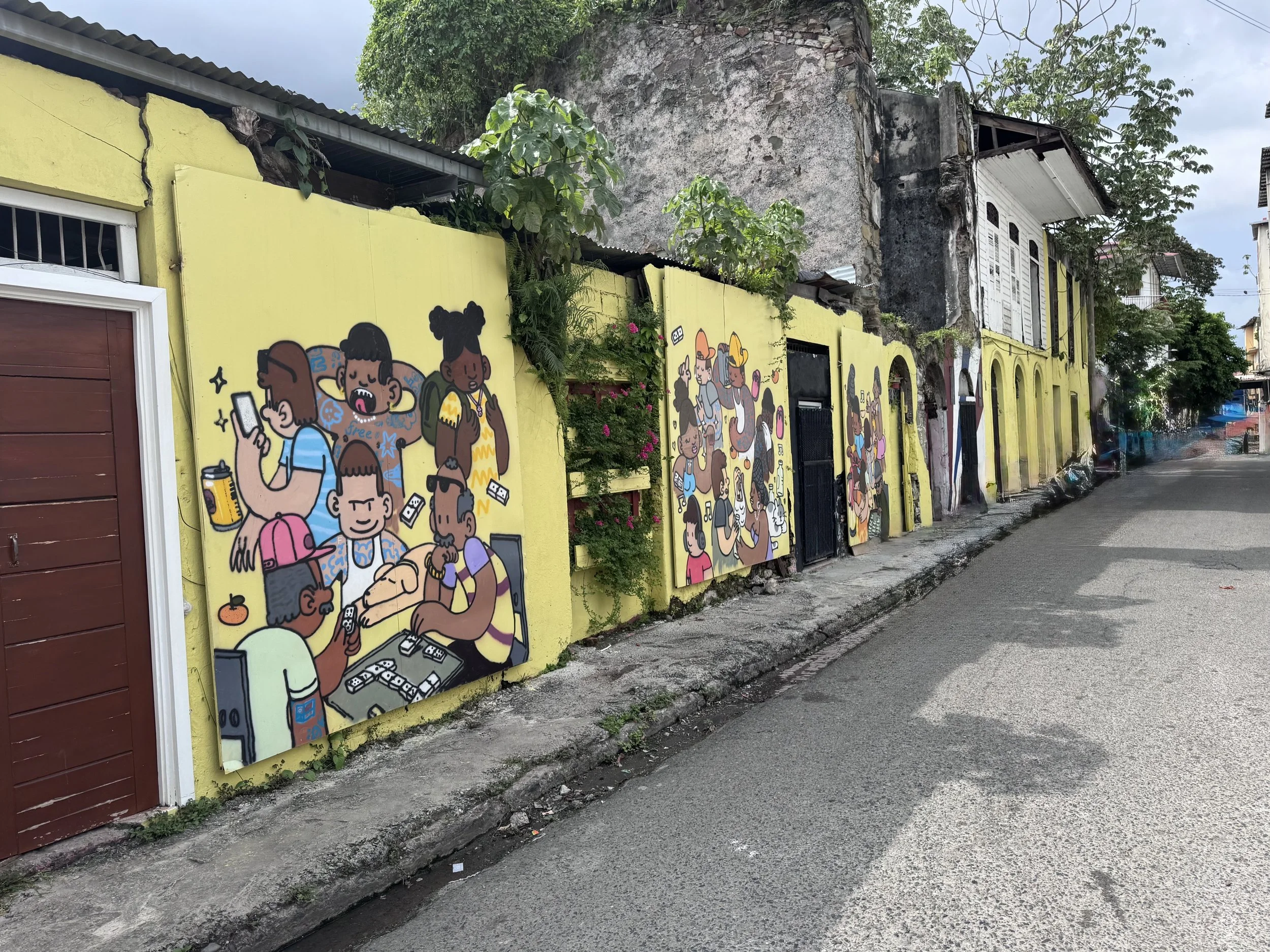
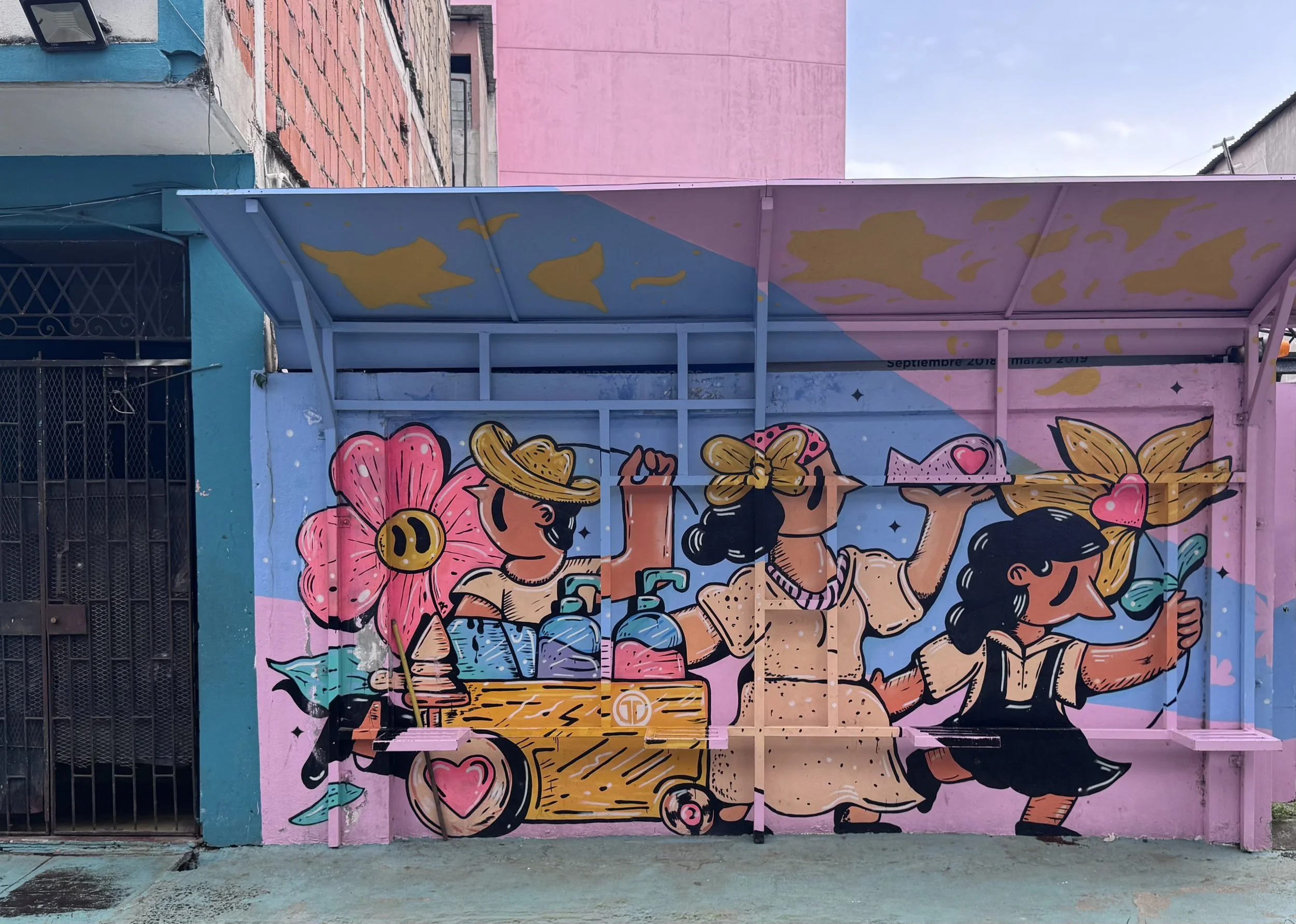
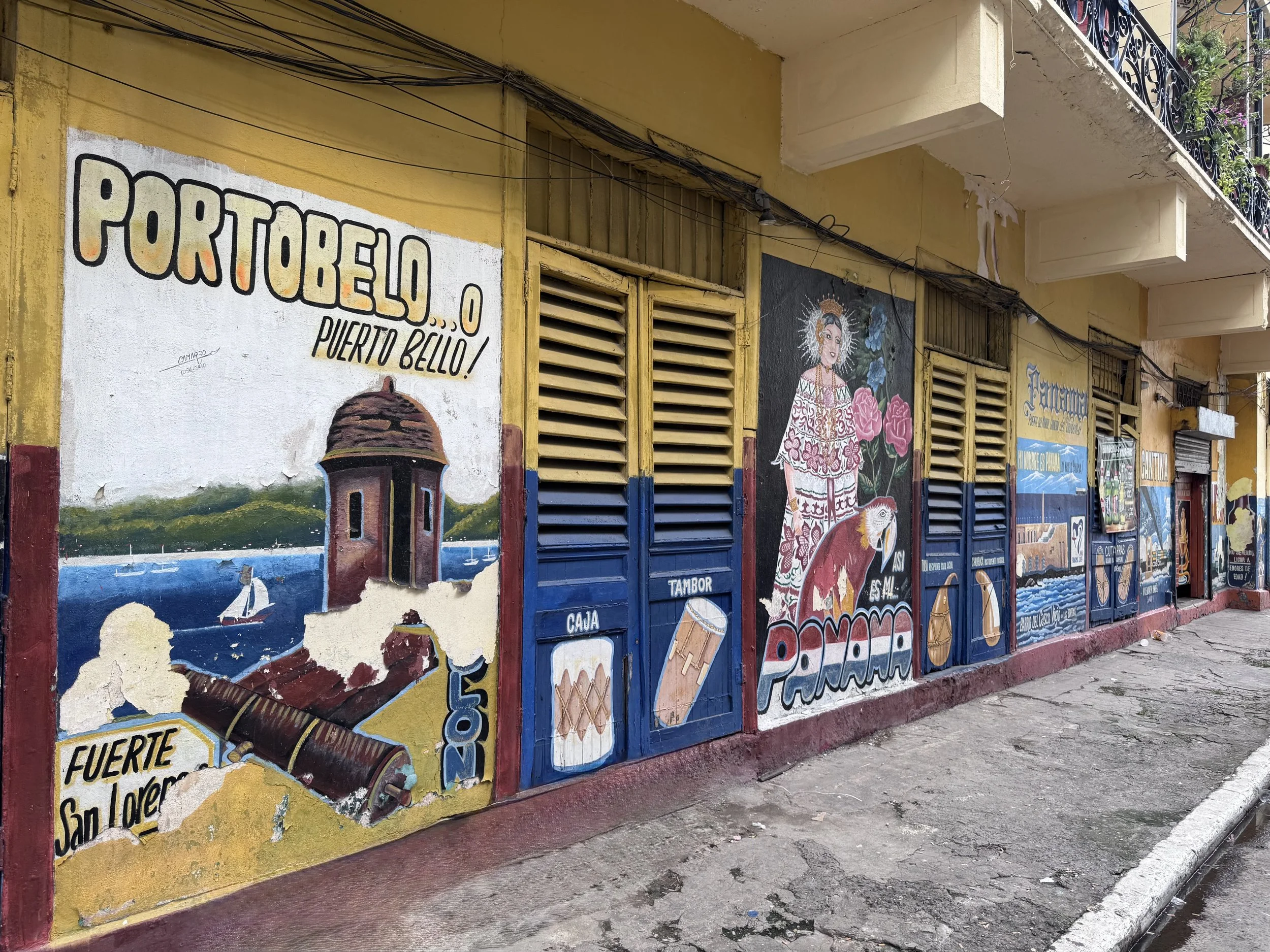
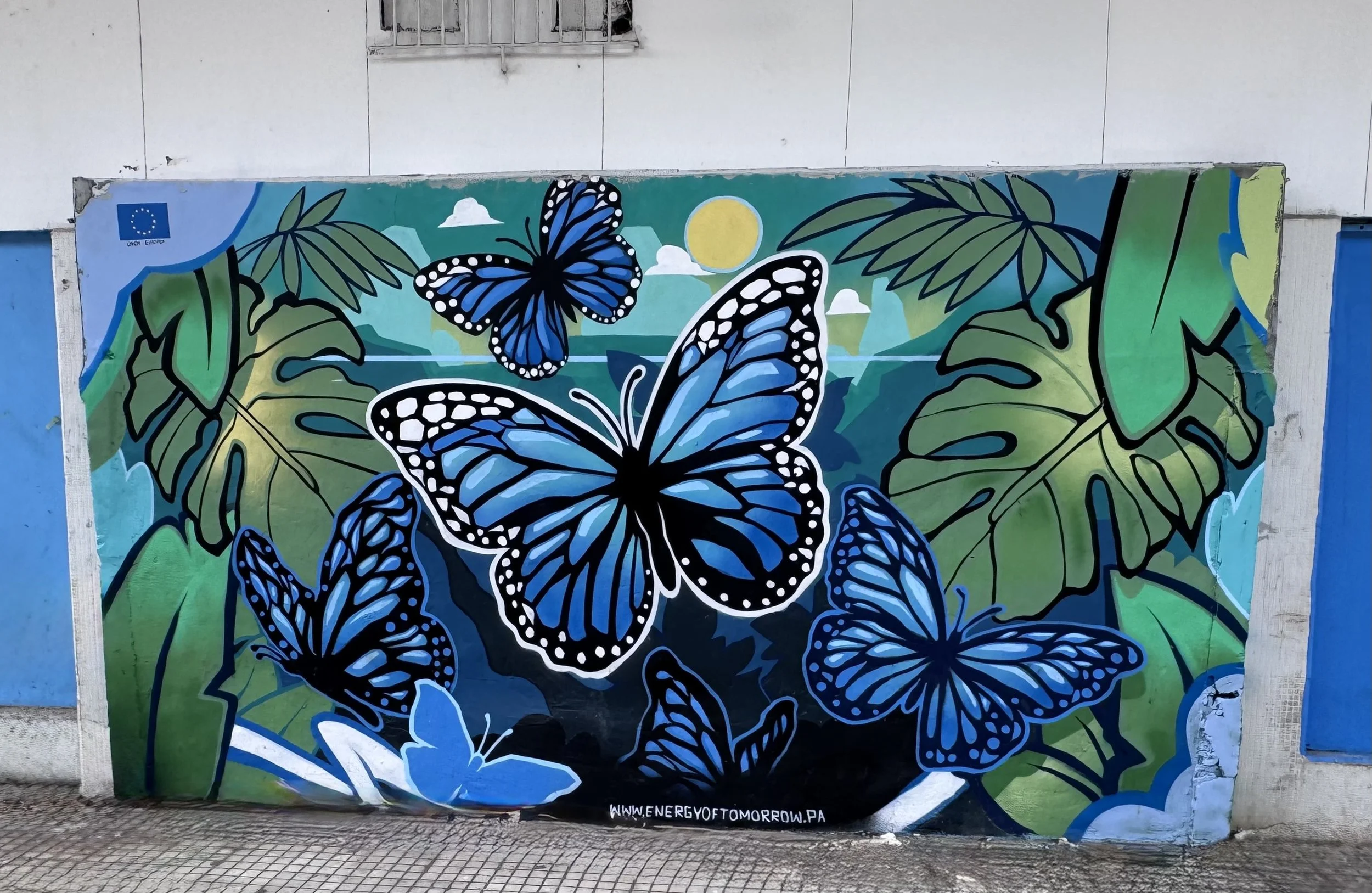
For months, Panama had existed mostly in conversation, planning documents, reservations, checklists, and the kind of late-night research that comes with making a major life change. Janice and I had already come down in May to put boots on the ground and decide whether Panama could really be the place where we wanted to begin the next chapter after retirement. That first trip mattered because we did not want to make the decision based only on videos, expat groups, glossy travel sites, or other people’s opinions. We wanted to walk the streets ourselves, see the neighborhoods, get a feel for the pace of life, talk to people, and imagine what an ordinary Tuesday might feel like here. By the time we left in May, Panama had moved from being an interesting possibility to something that felt real.
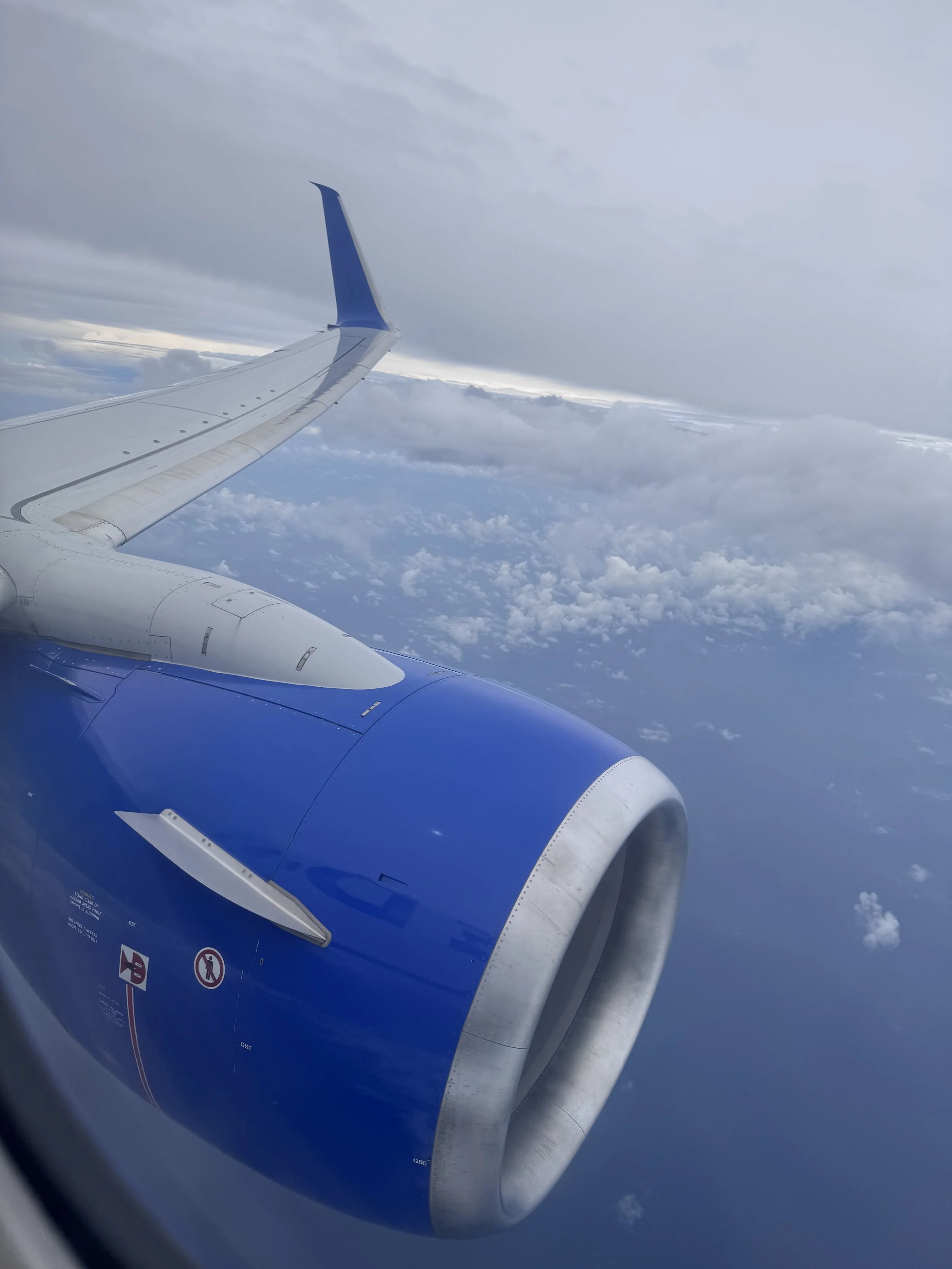
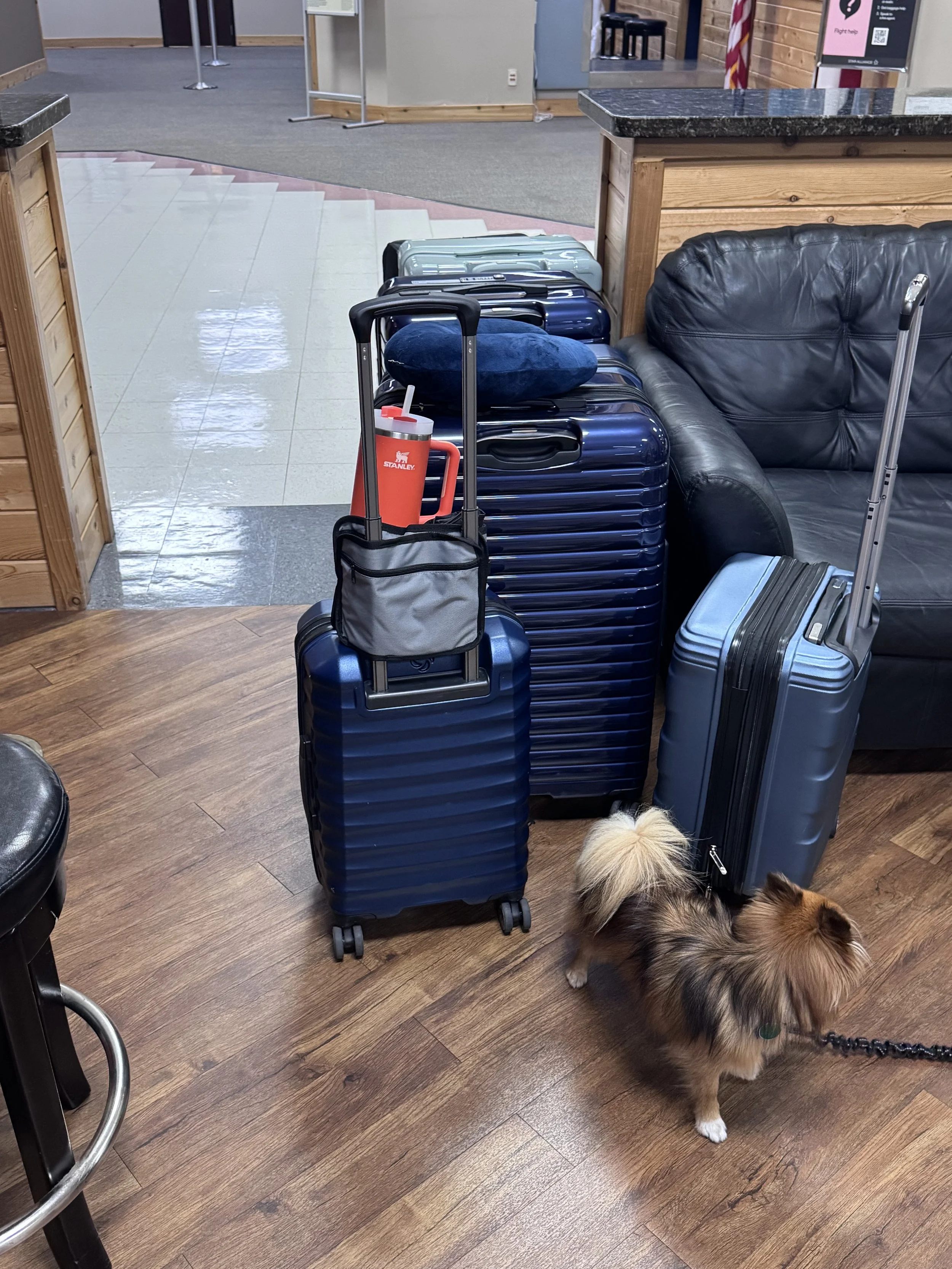
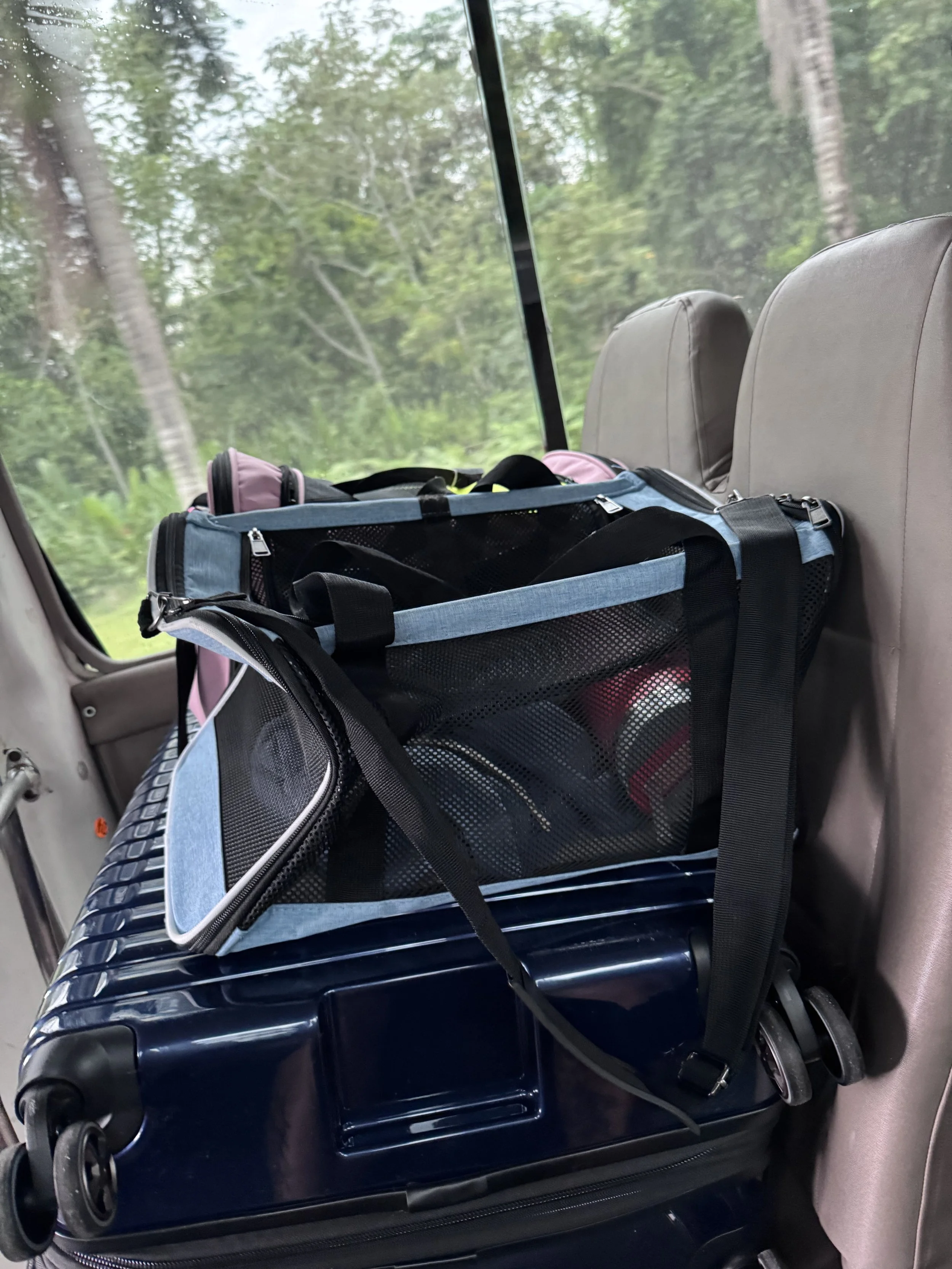
Returning on August 31 was completely different. This time, we were not coming for a visit. We were arriving with luggage, two dogs, paperwork, plans for residency, and the understanding that we were not flying back to resume the old routine. That alone changed the feeling of everything. Even the airport felt different when I knew there was no return trip waiting at the other end of the calendar.
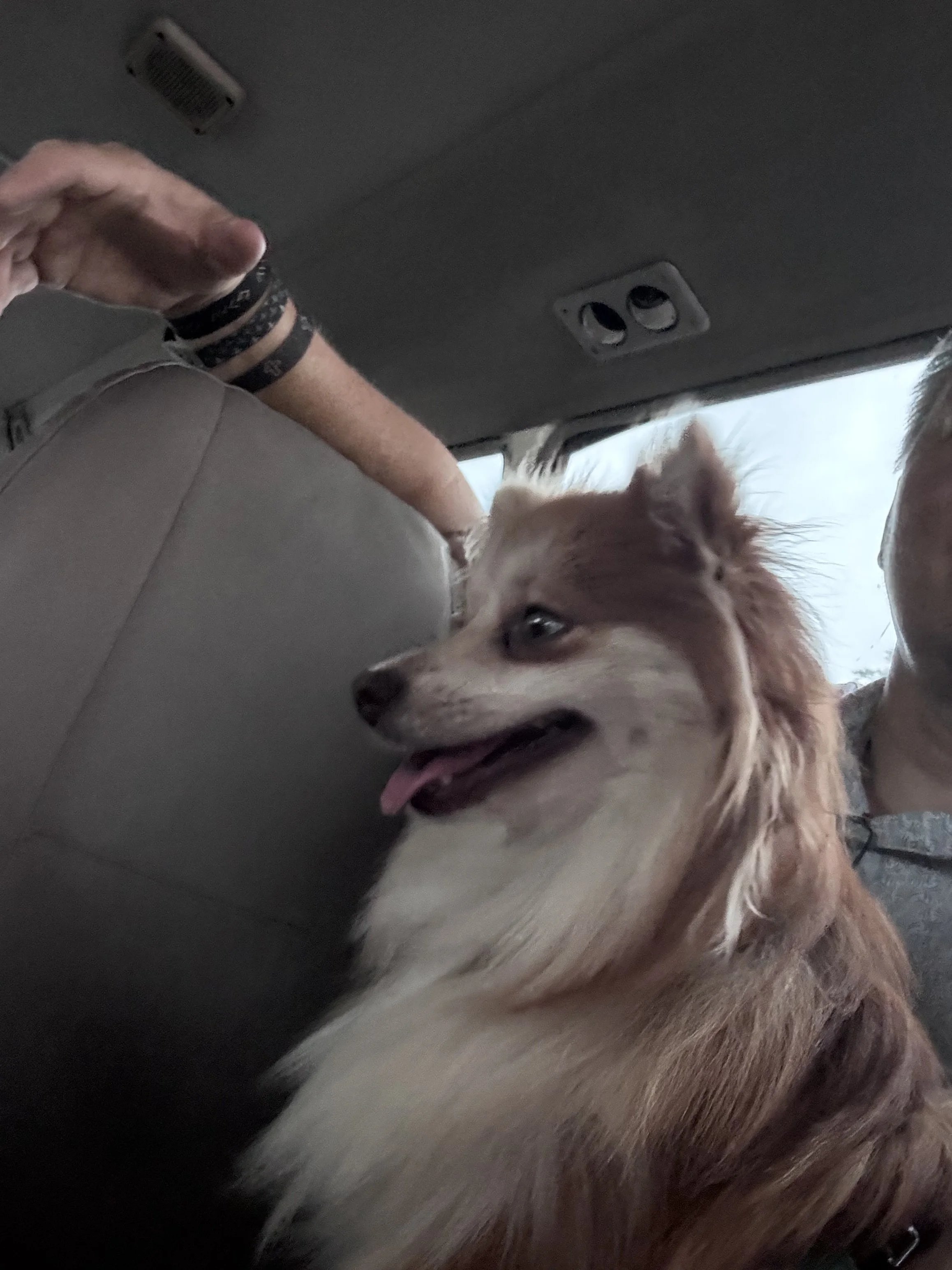
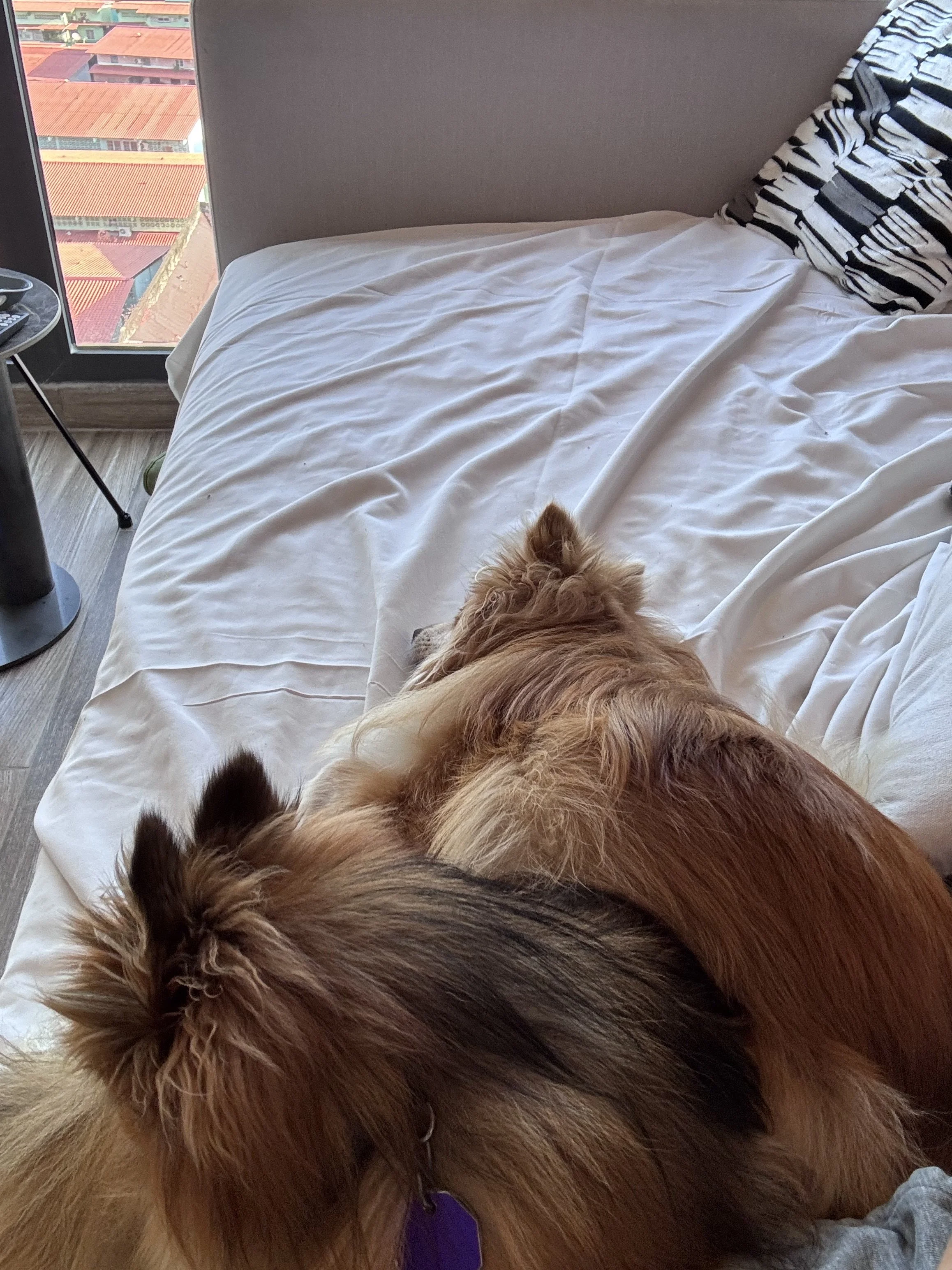
One of the biggest concerns leading up to the move was getting Gizmo and Ruby into the country. Anyone who has traveled internationally with pets knows there is a lot more involved than simply putting them in carriers and getting on a plane. There were health certificates, vaccination records, endorsements, government paperwork, airline requirements, and a lot of double-checking to make sure nothing had been missed. By the time we landed in Panama, I had probably reviewed those documents more times than I care to admit. Even when you think everything is in order, there is still a moment of uncertainty when you are standing at the counter waiting for someone else to confirm that you did it all correctly.
Thankfully, the process worked. We completed the required MINSA and animal-entry steps, paid the fees, and eventually got the clearance we needed. Gizmo and Ruby were officially in Panama with us. That might sound like a small detail compared with moving to another country, but in that moment it felt like one of the biggest accomplishments of the entire trip. The four of us had arrived, and the first hurdle was behind us.
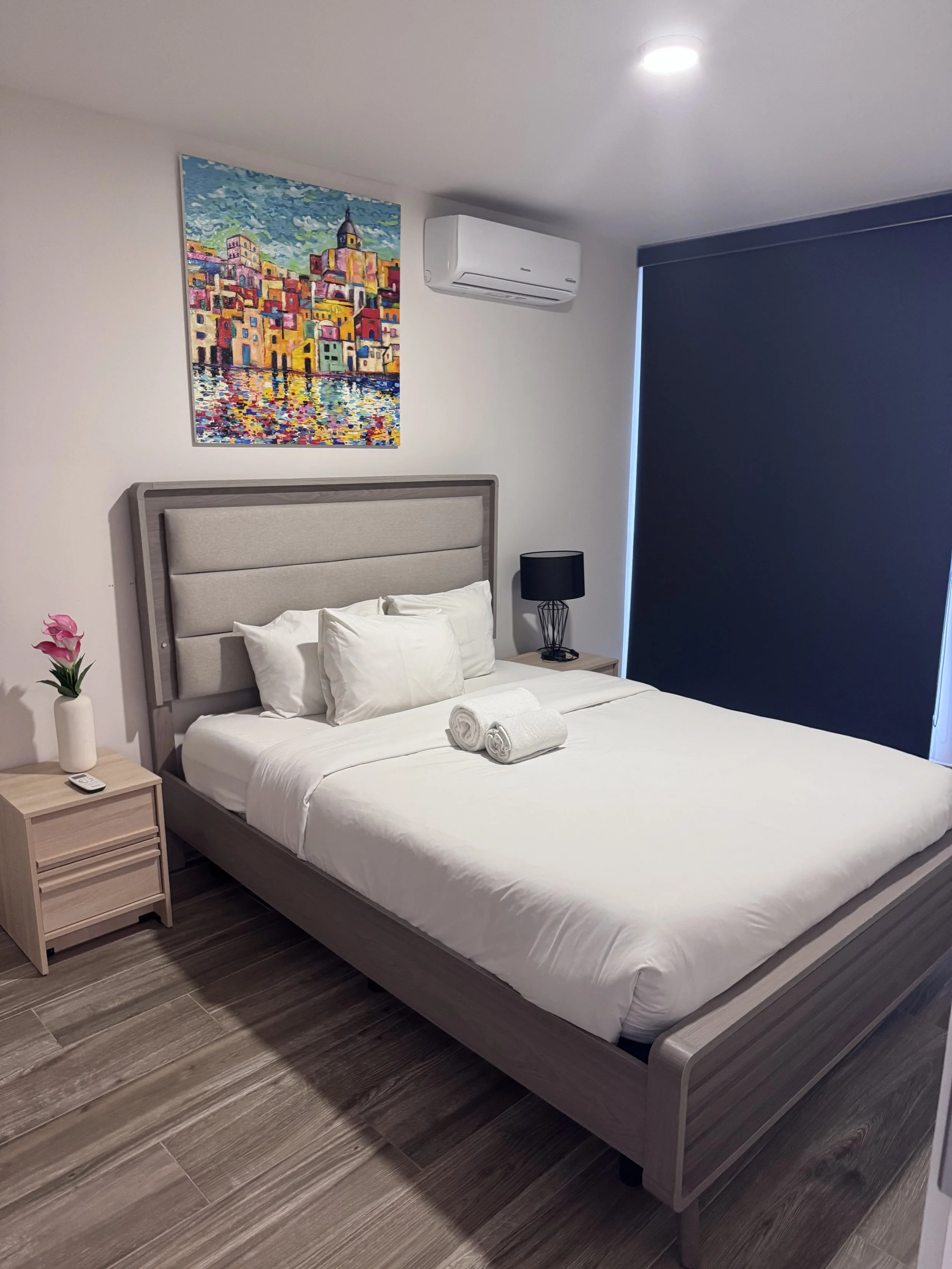
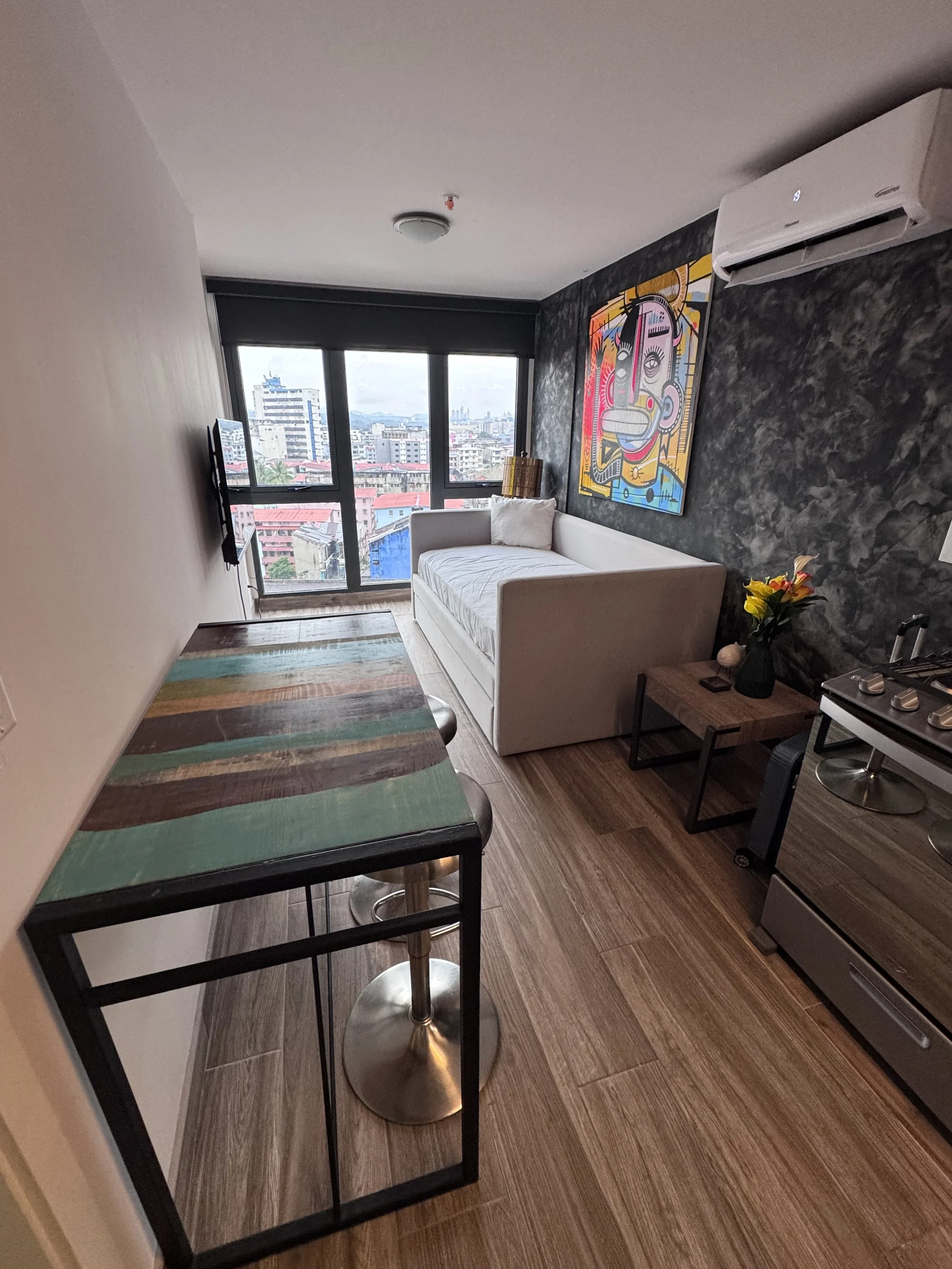
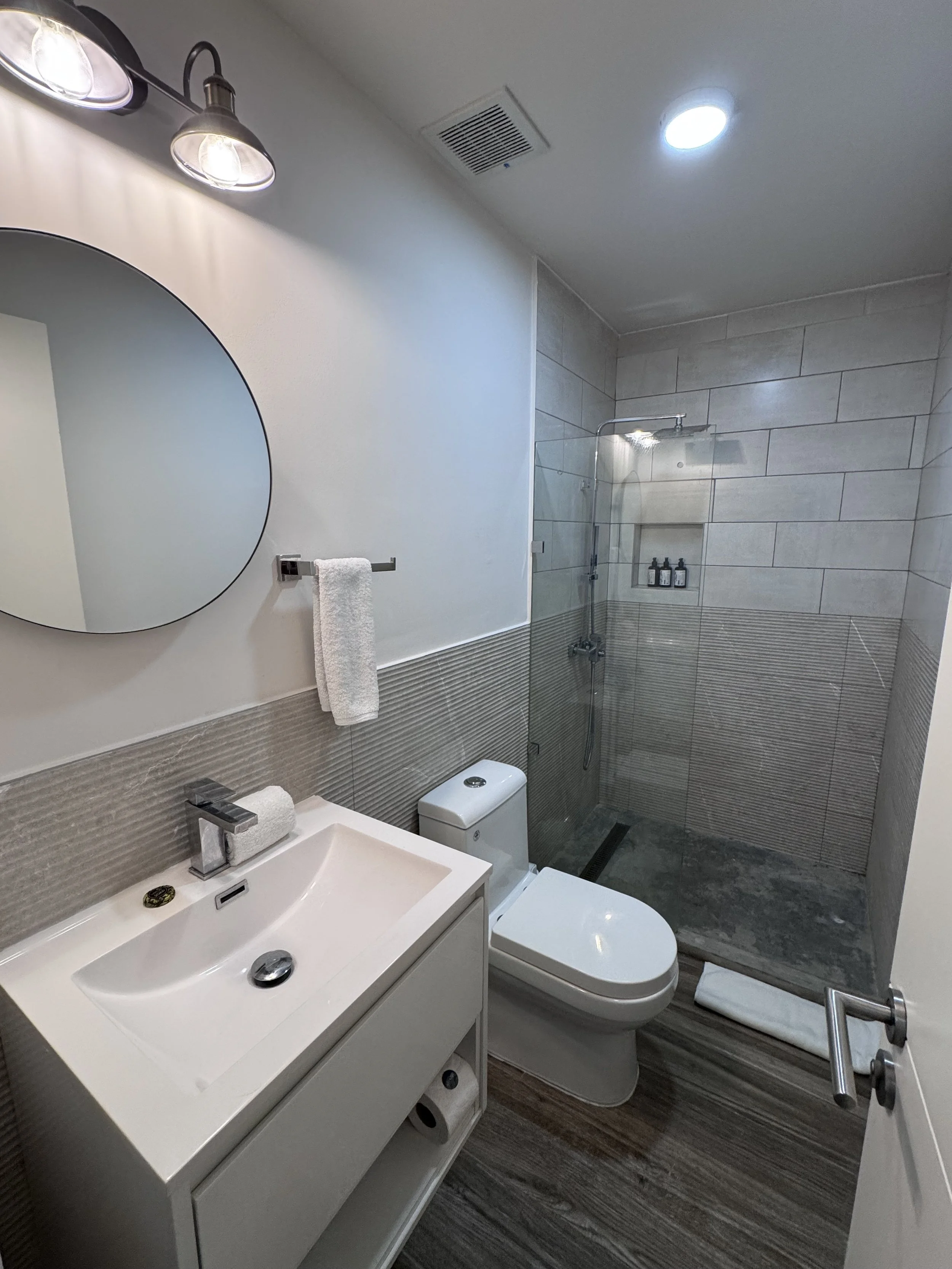
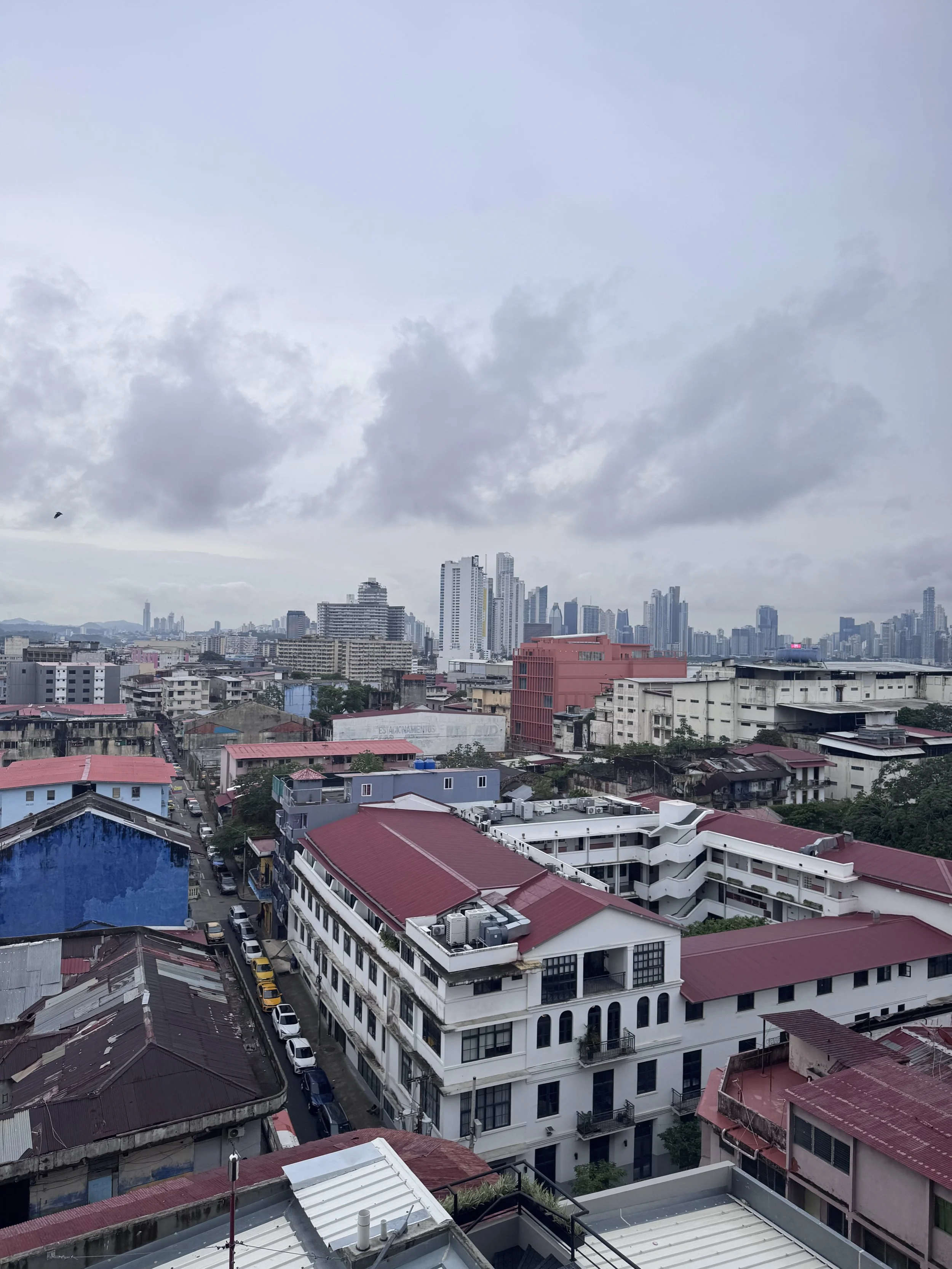
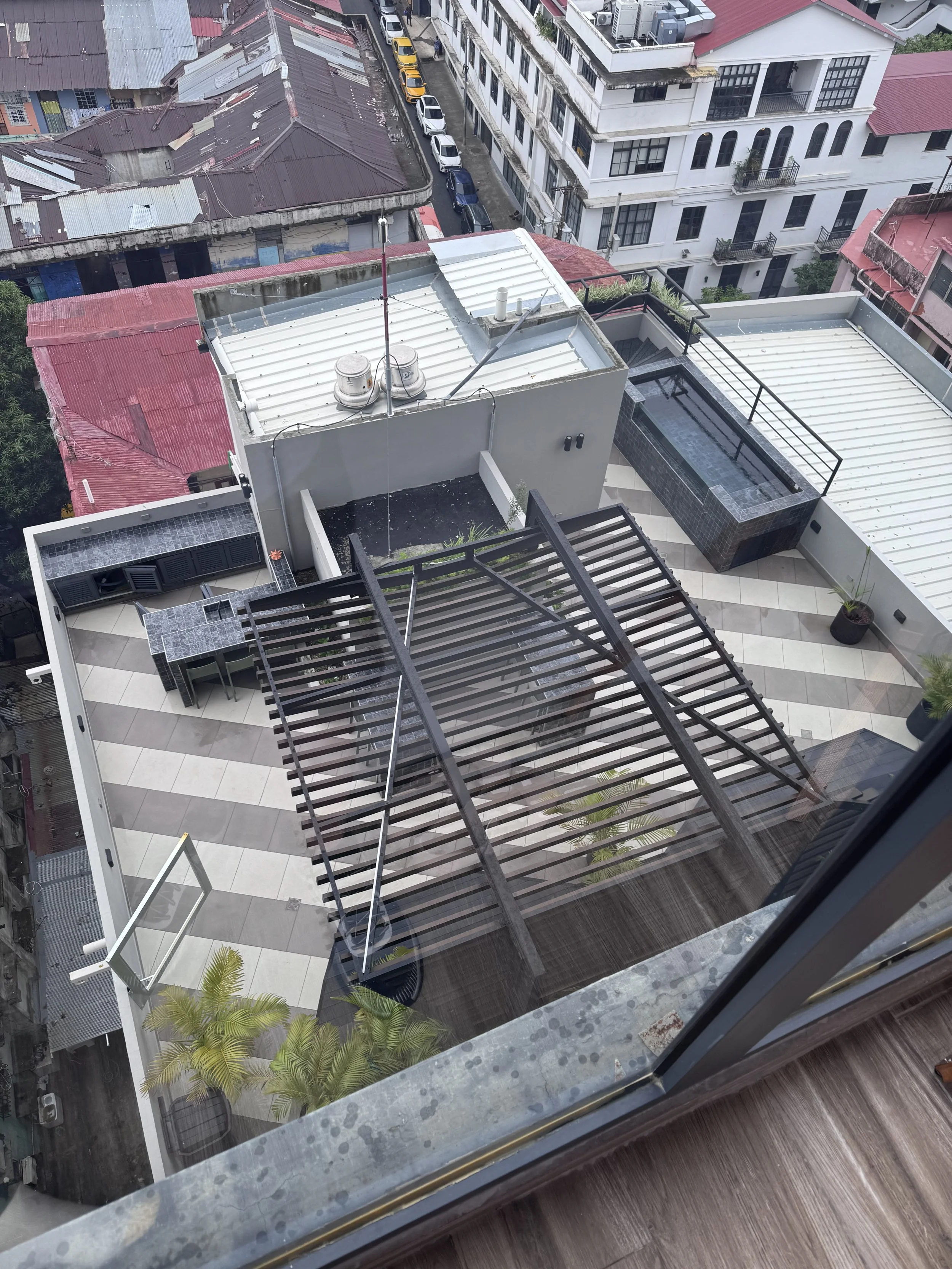
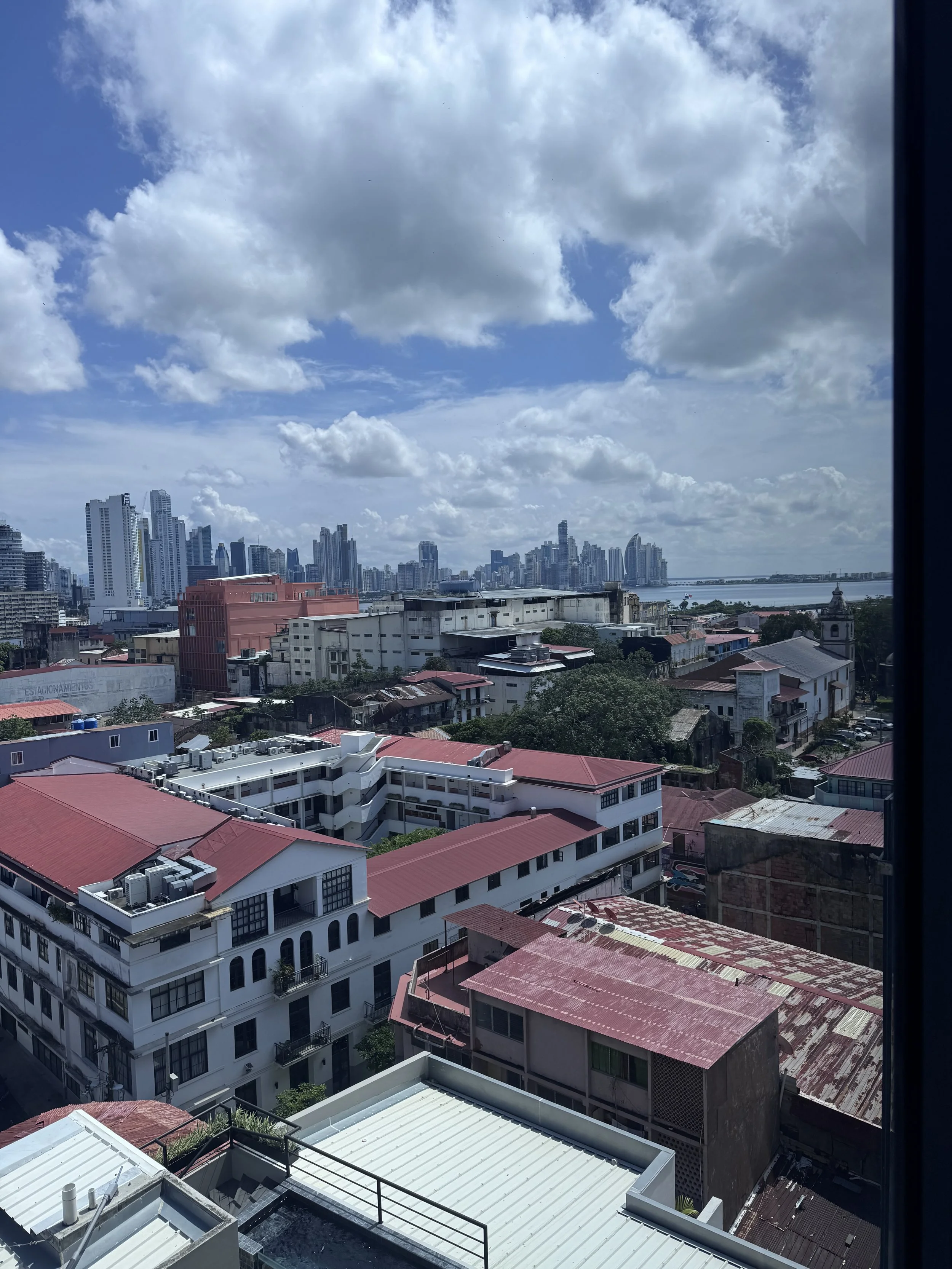
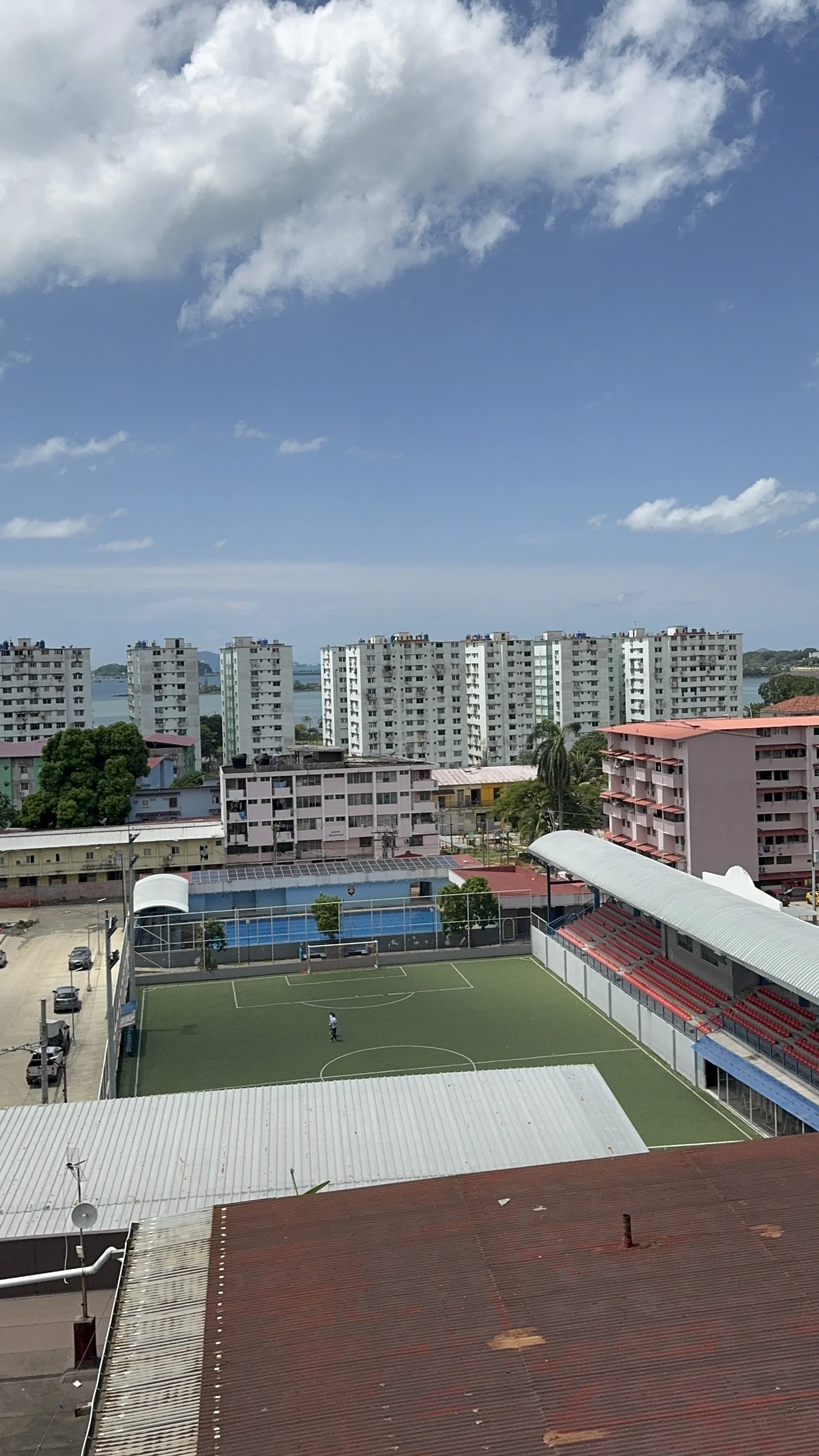
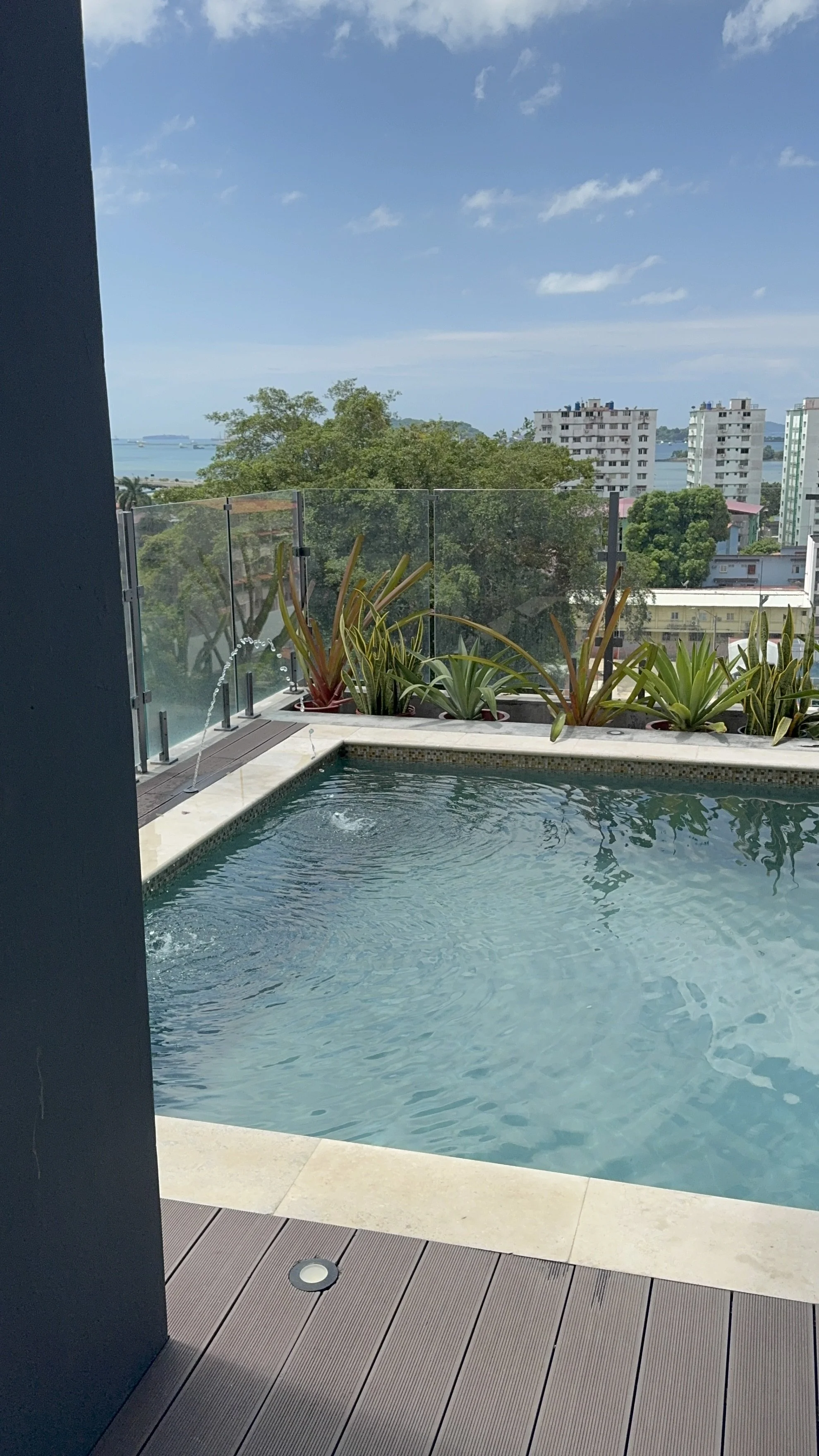
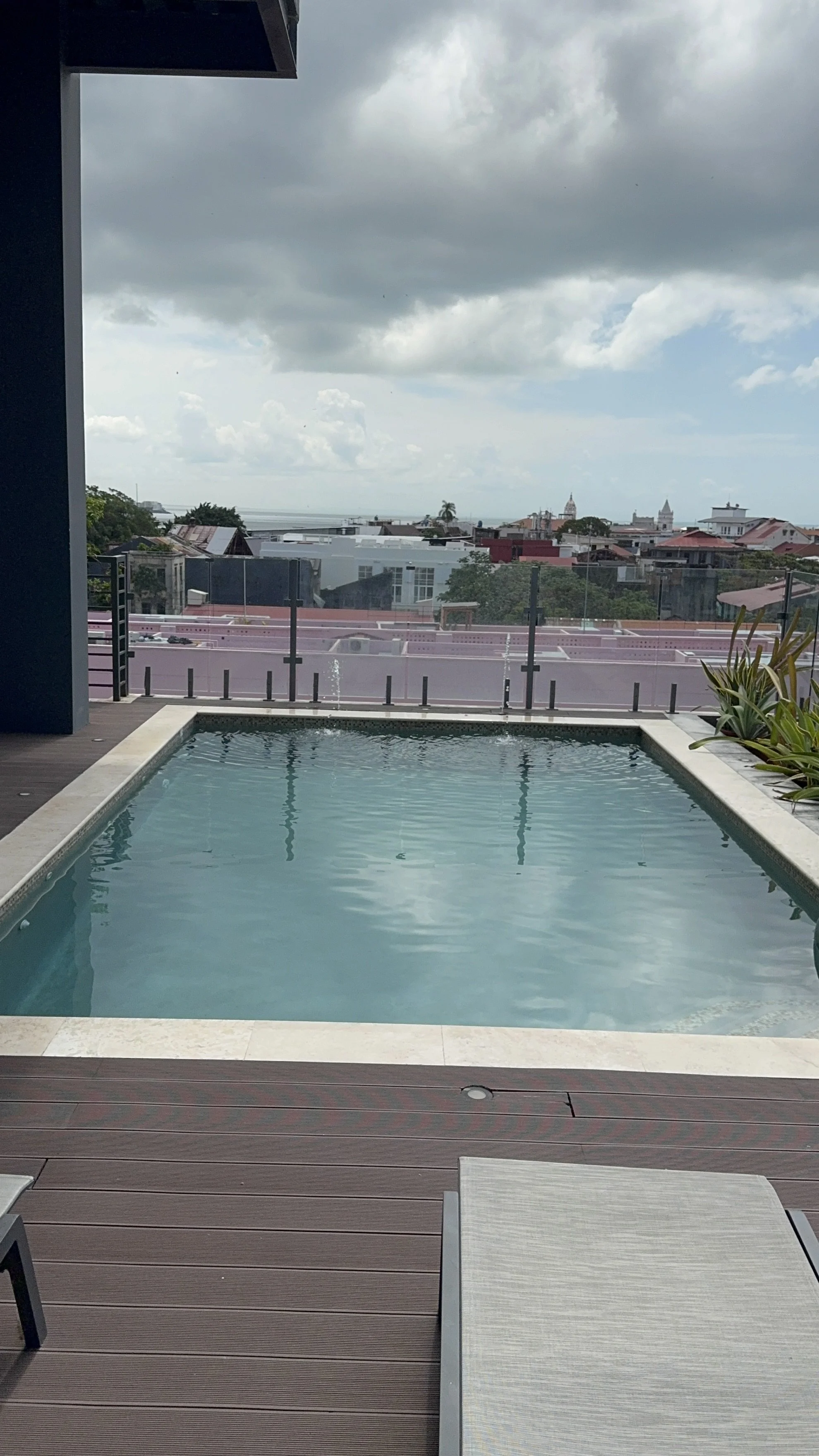
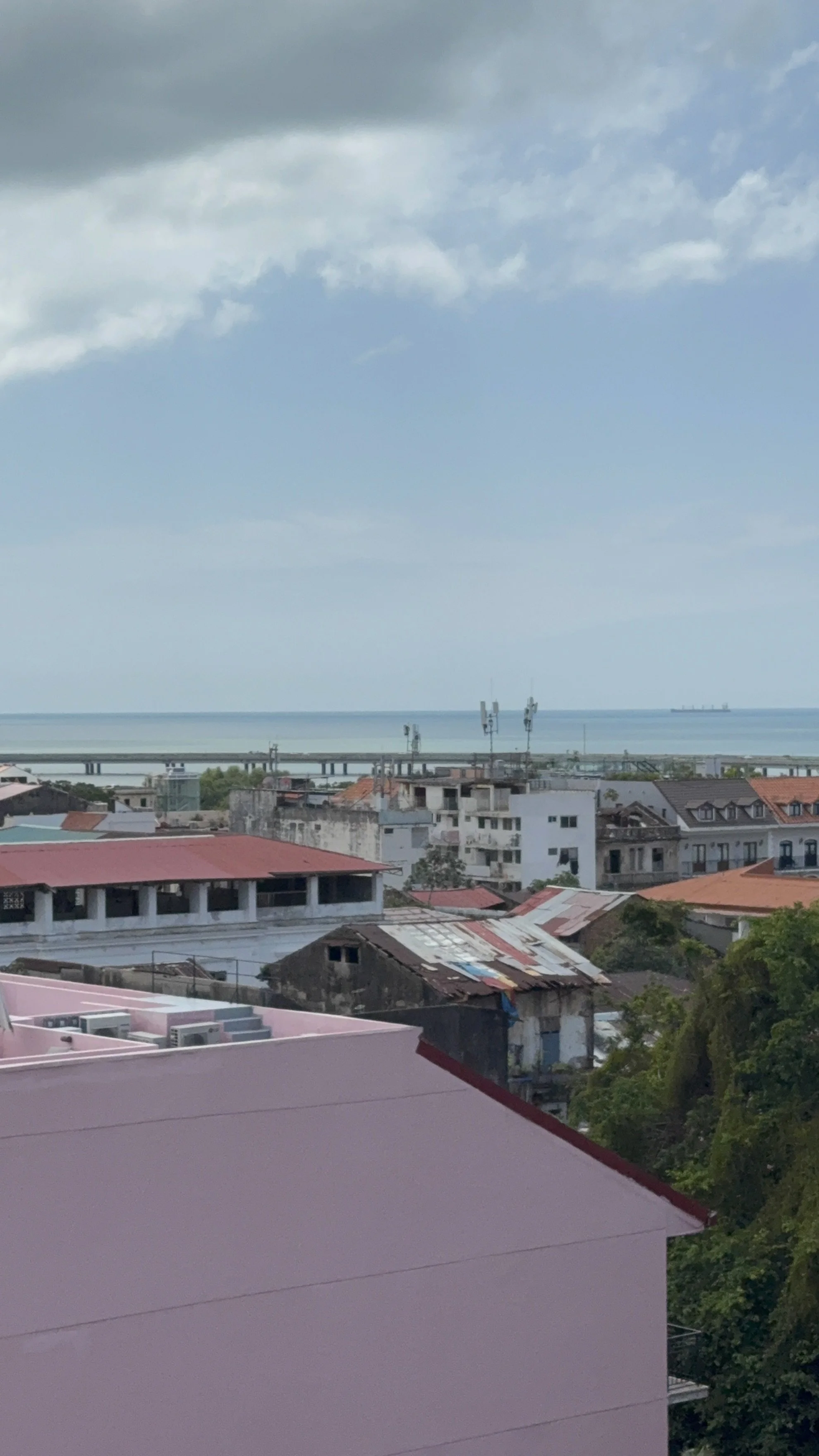
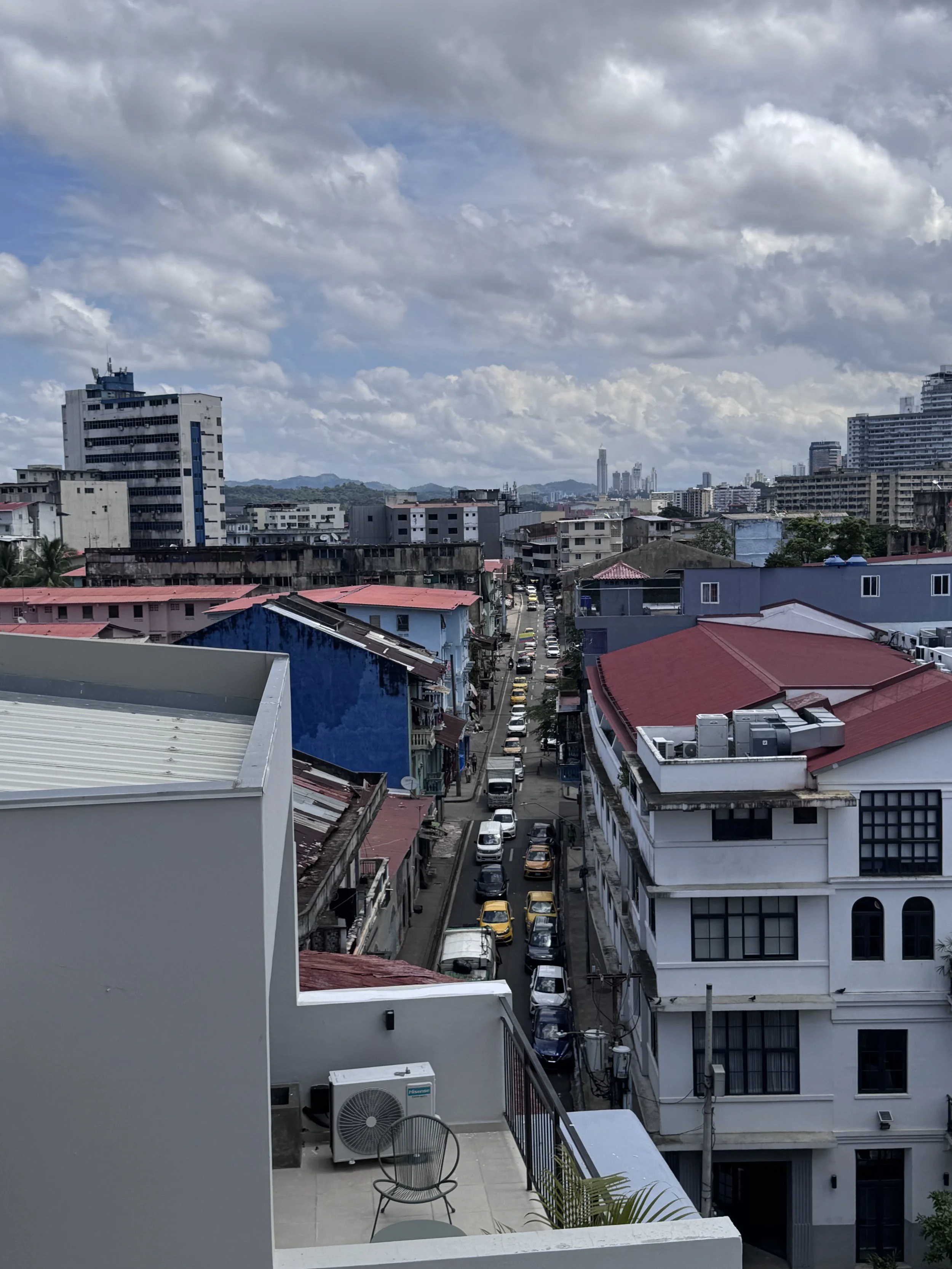
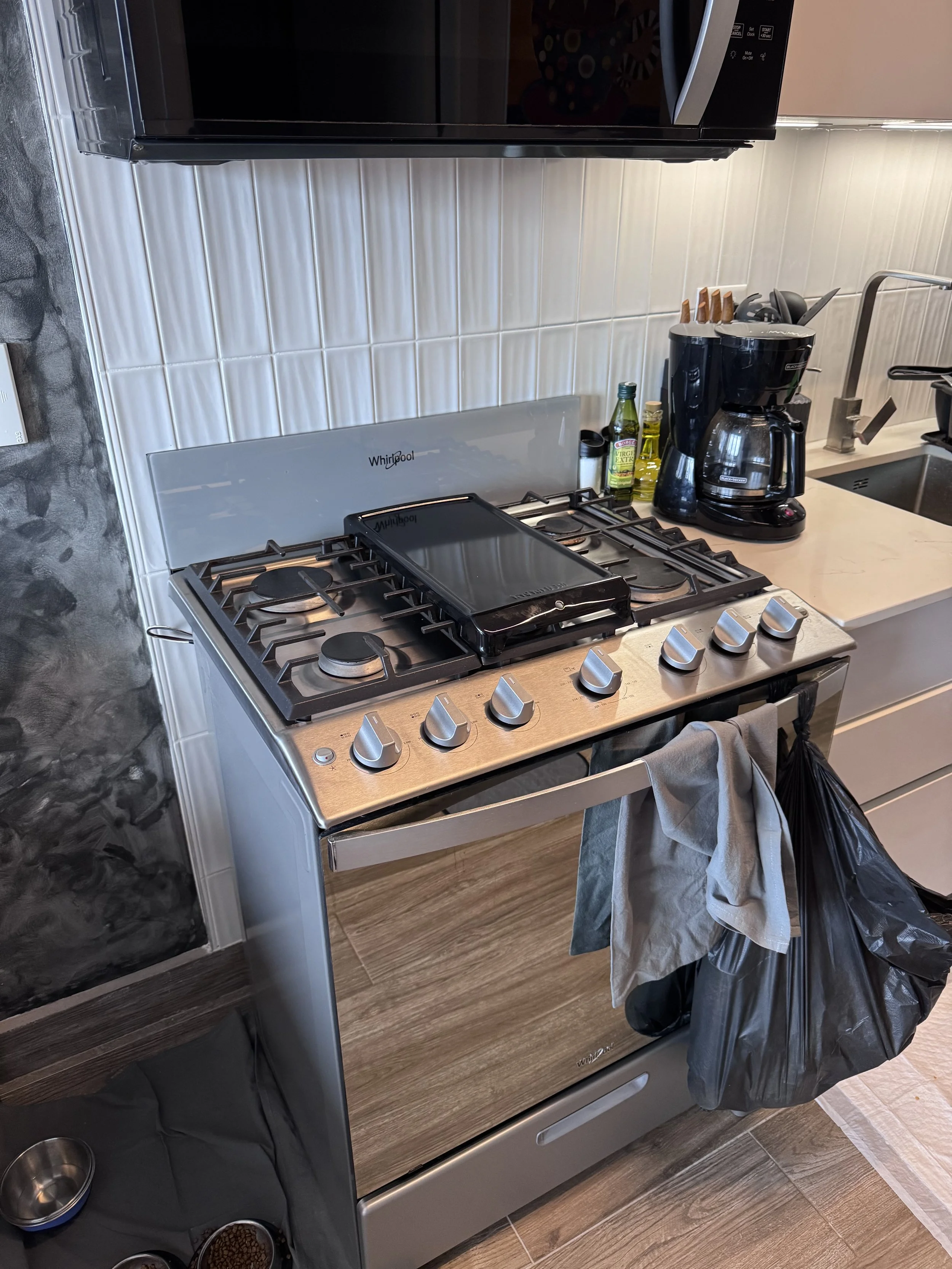
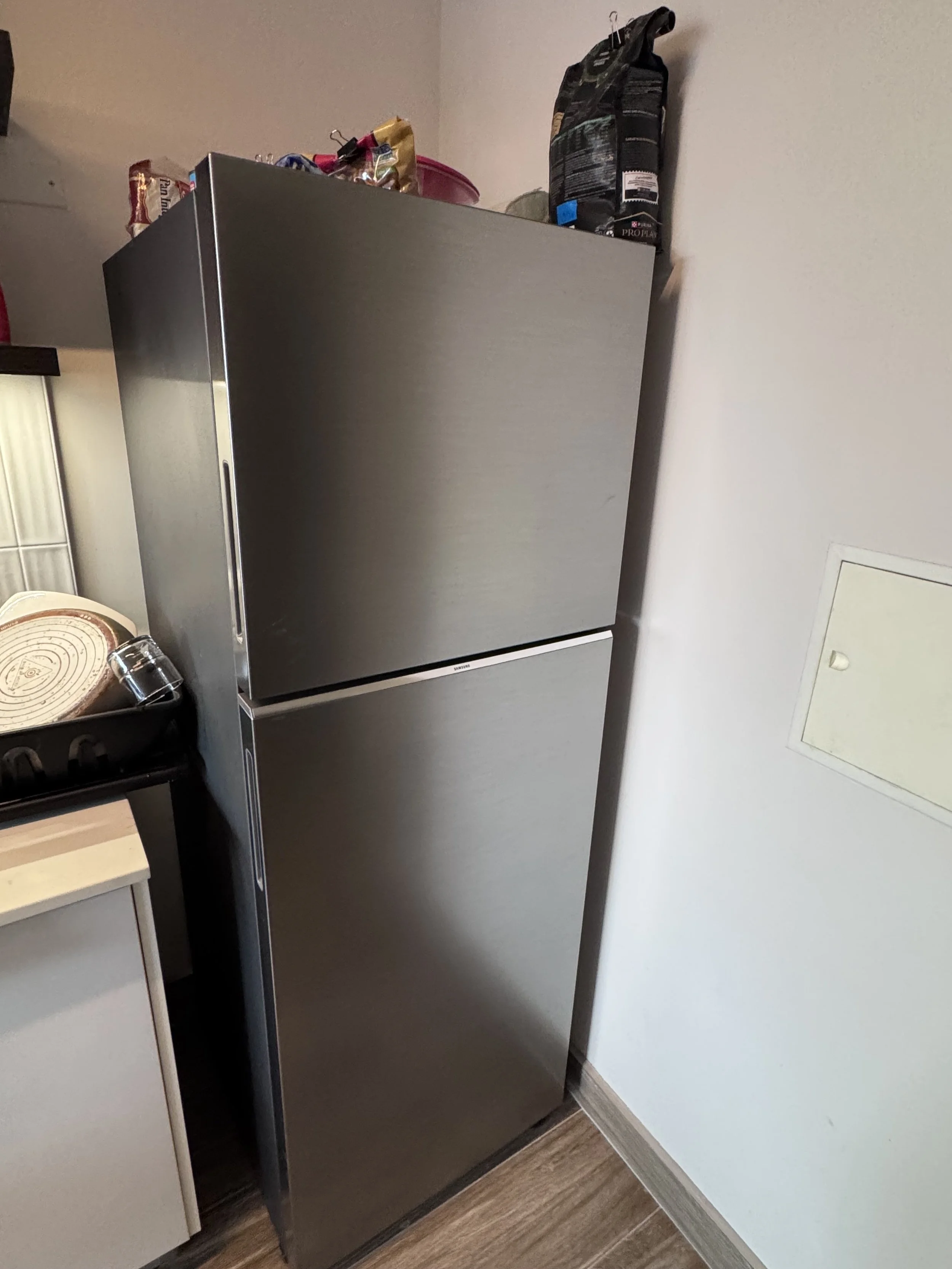
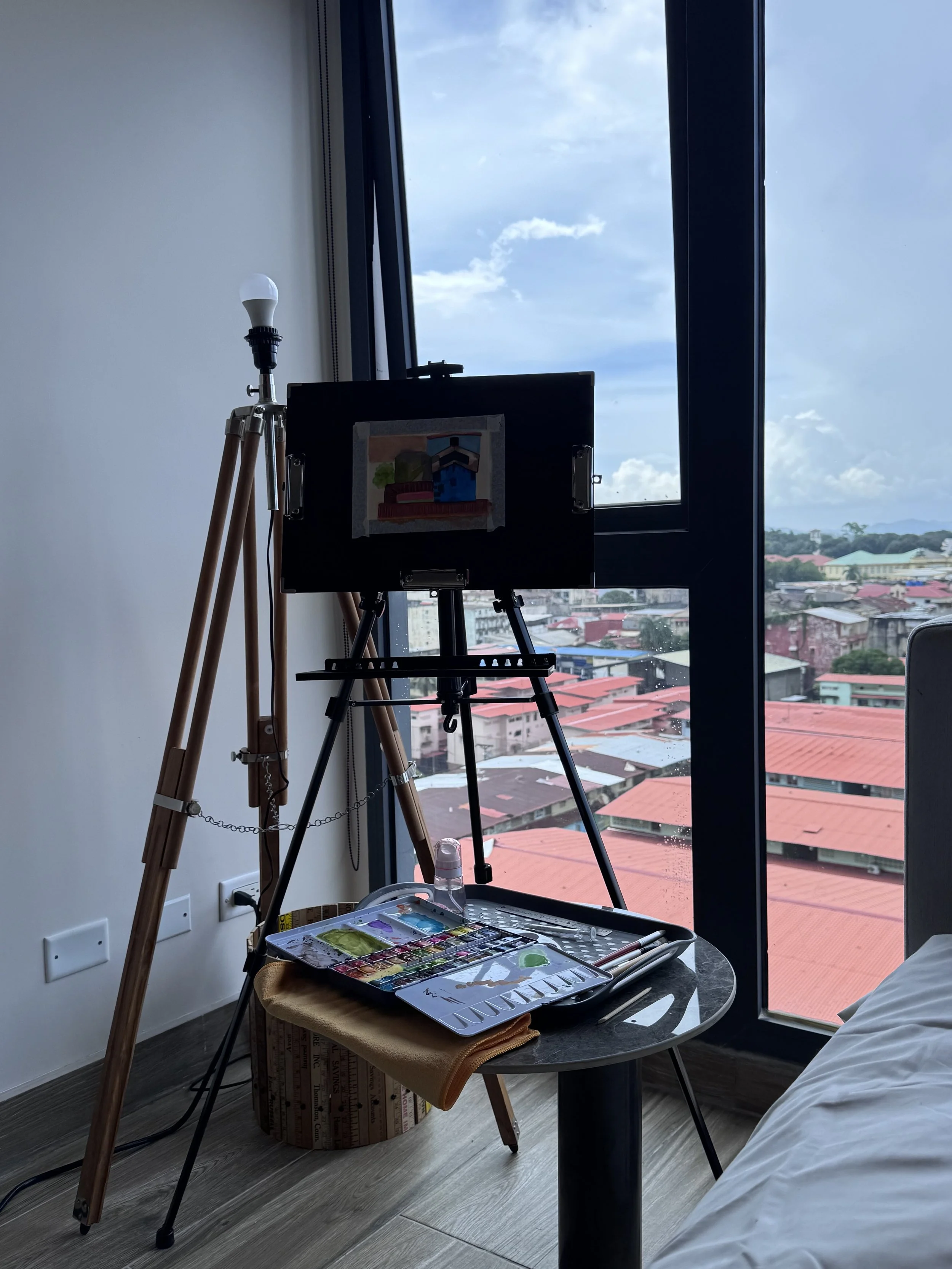
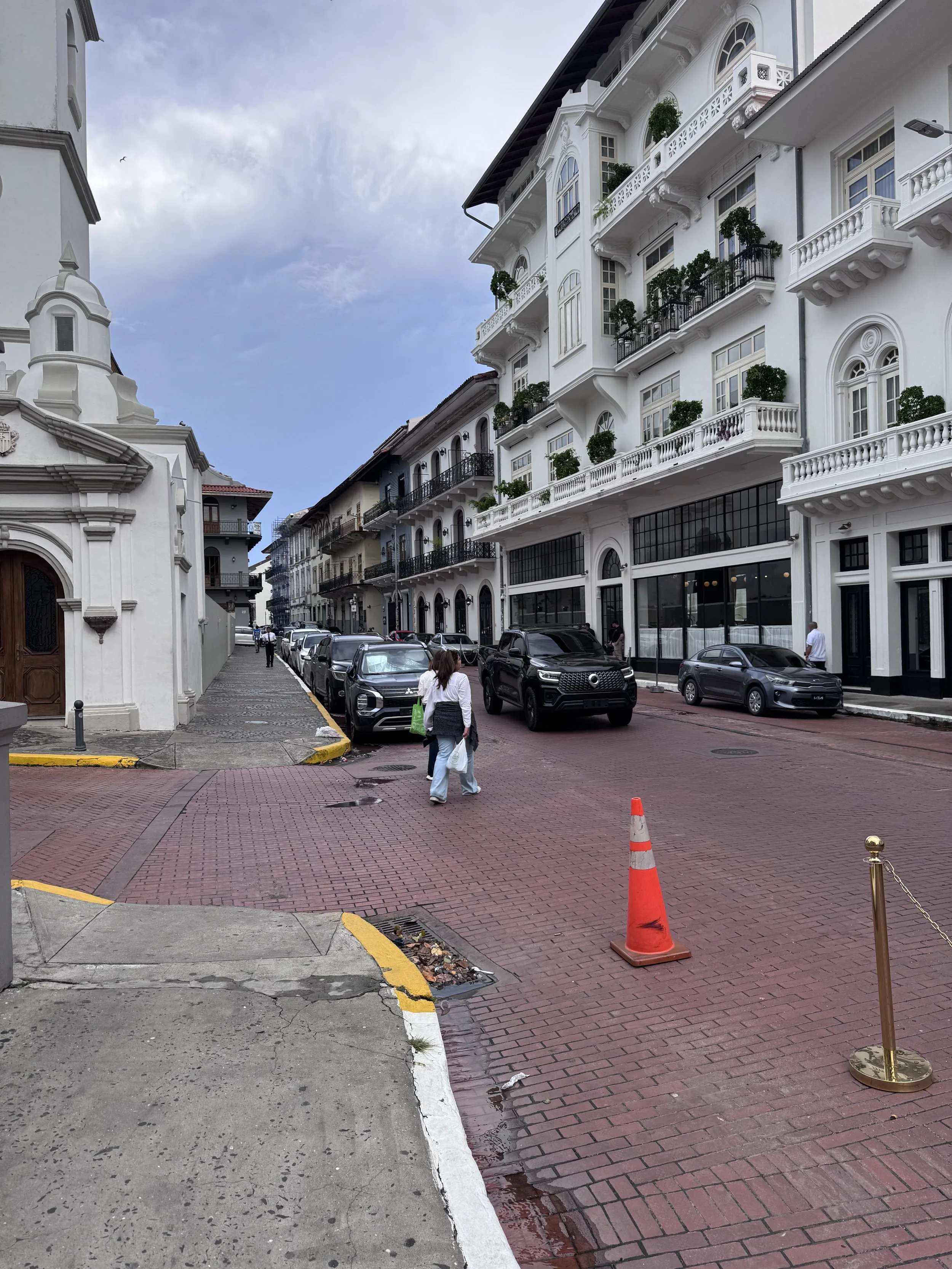
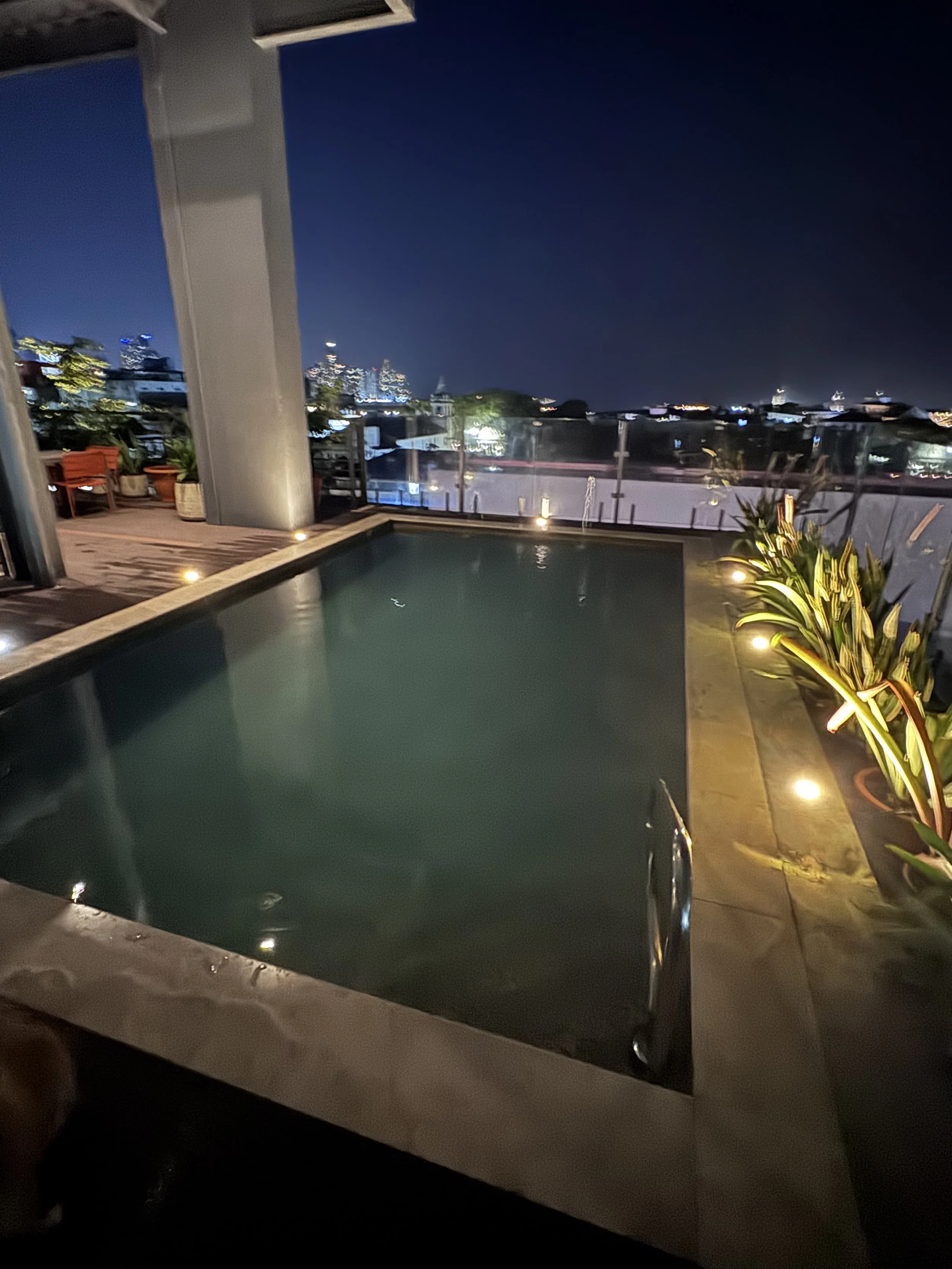
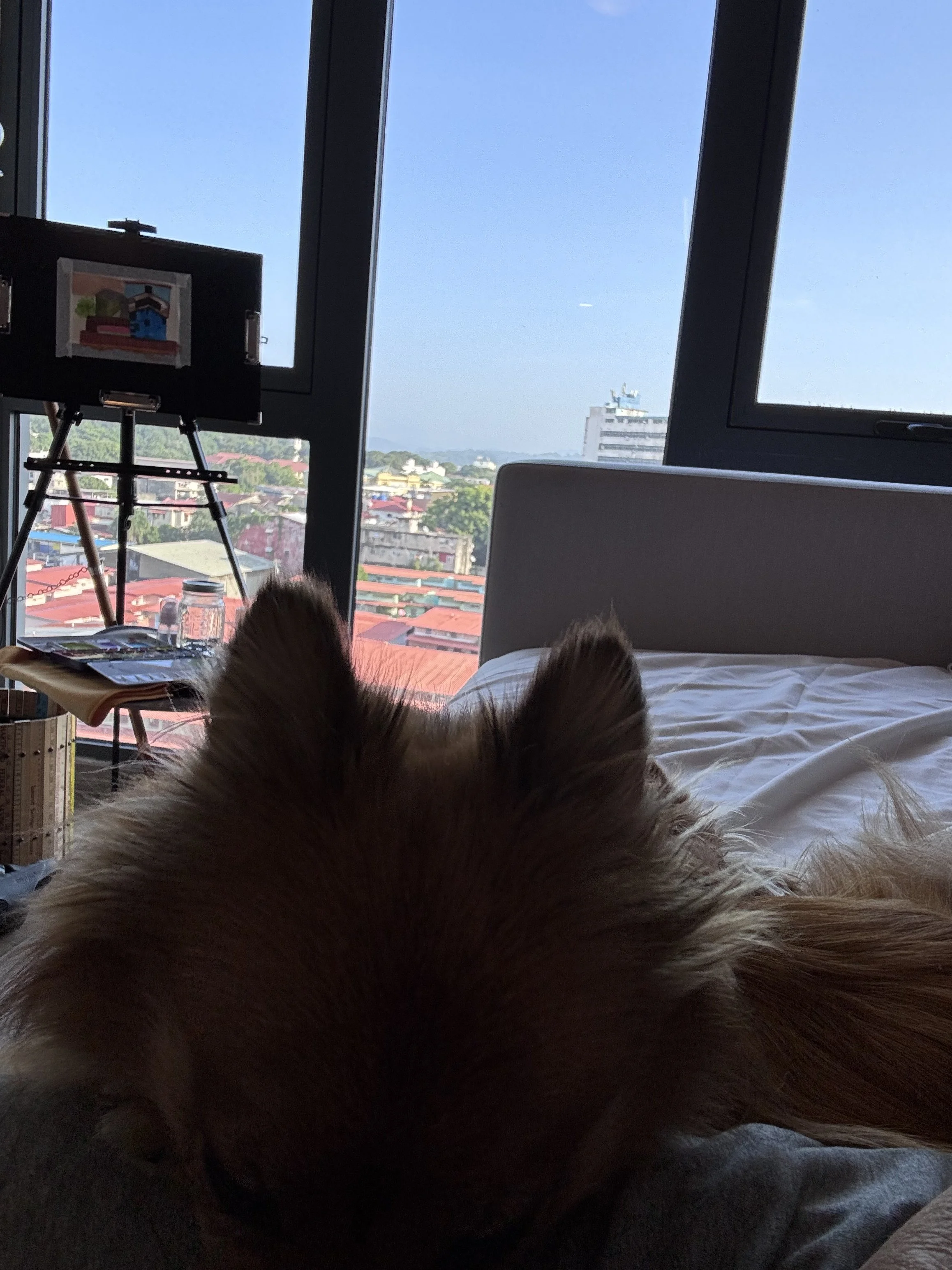
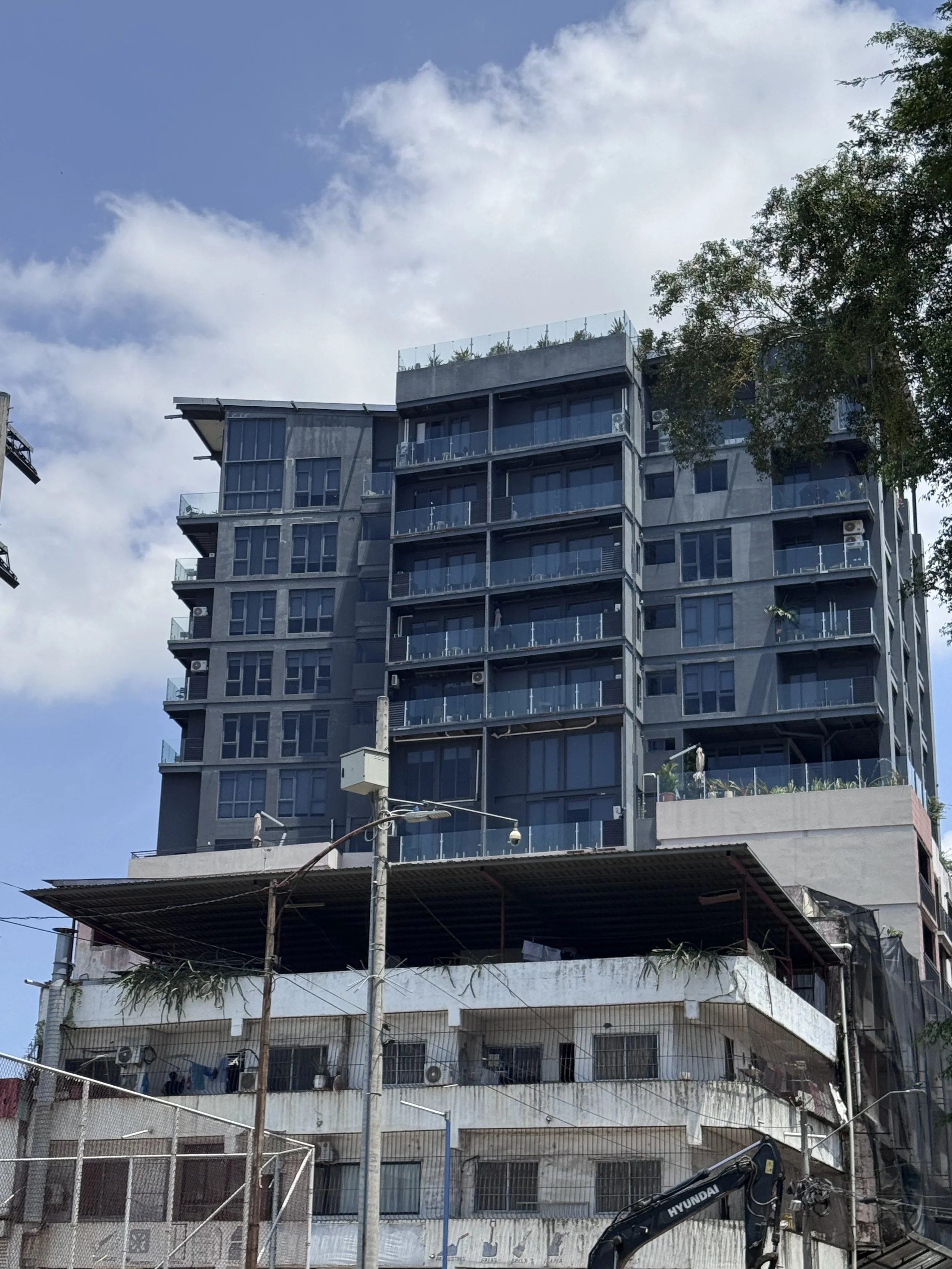
Our temporary home is Casco View in Santa Ana, just outside Casco Viejo. We knew from the start that this would only be our base for a short period while we worked through residency, banking, medical needs, driver’s-license requirements, and all the other practical pieces that come with establishing yourself in another country. Still, walking into the apartment felt different from checking into a hotel or vacation rental. There was no sense that we were counting down the days until we went “home.” For the moment, this was home. That realization came with a strange combination of excitement and normalcy. We had made this enormous move, crossed an international border, and changed the direction of our lives, and yet one of the first things we needed to do was figure out where to buy groceries.
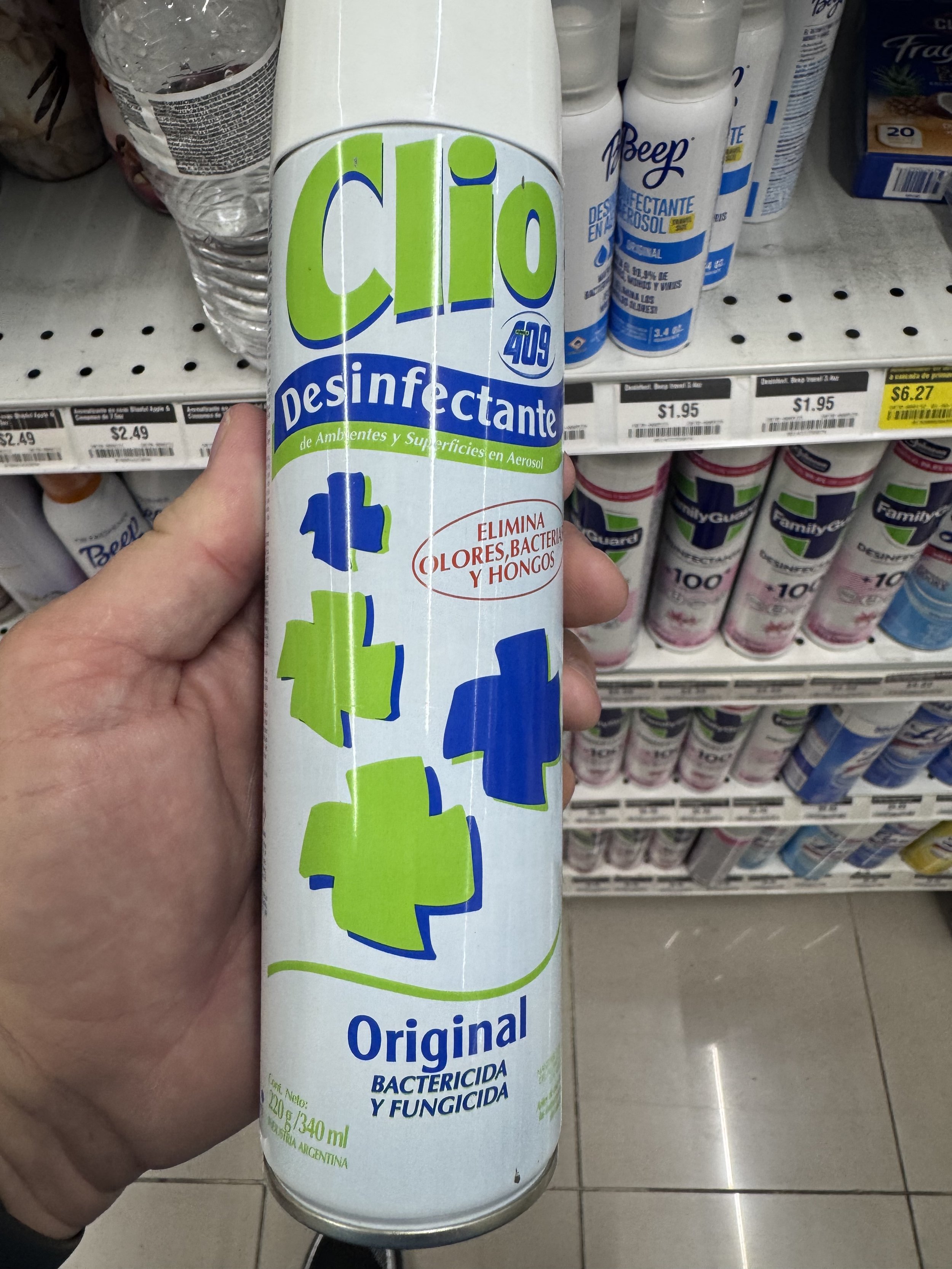
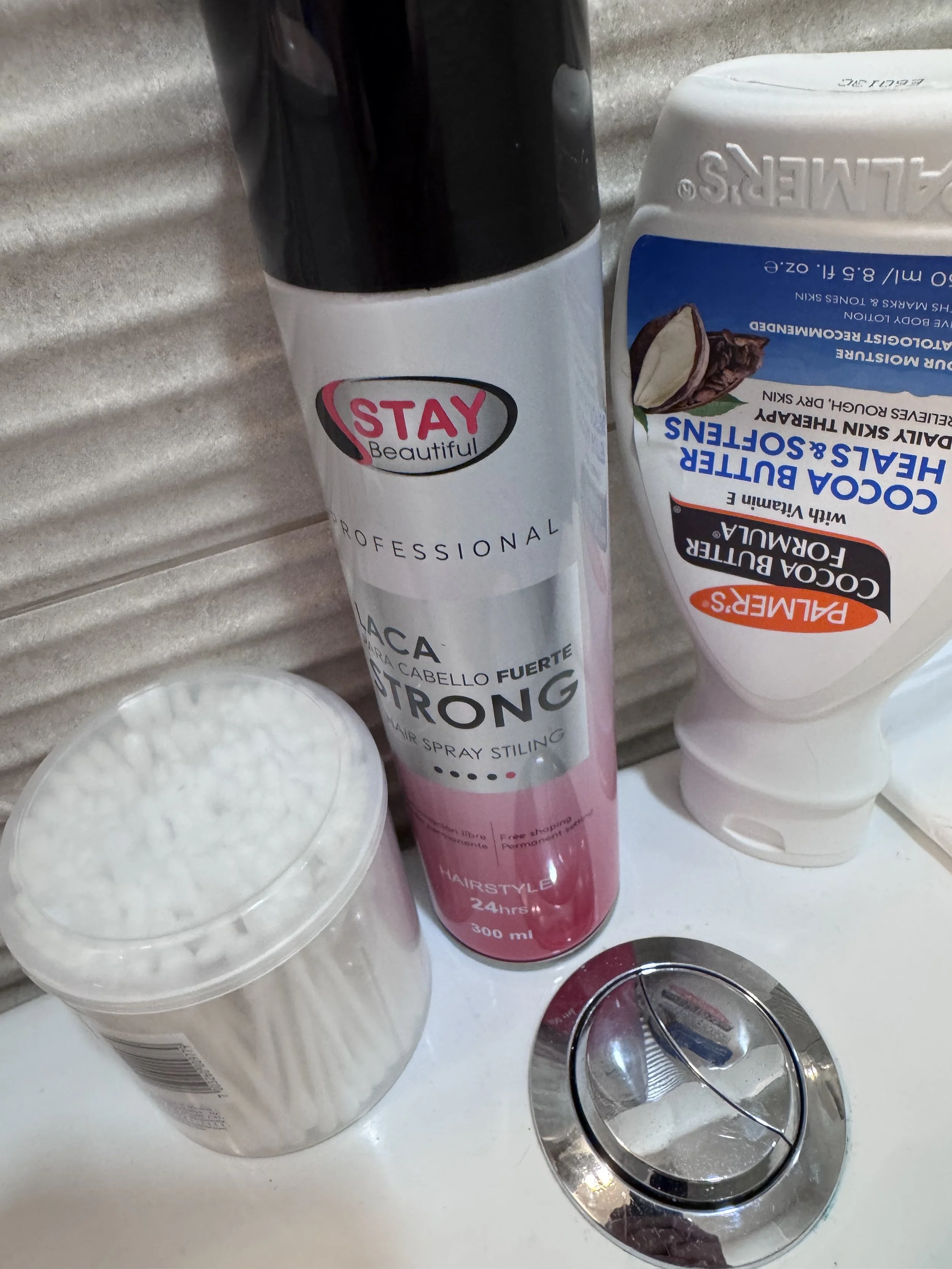
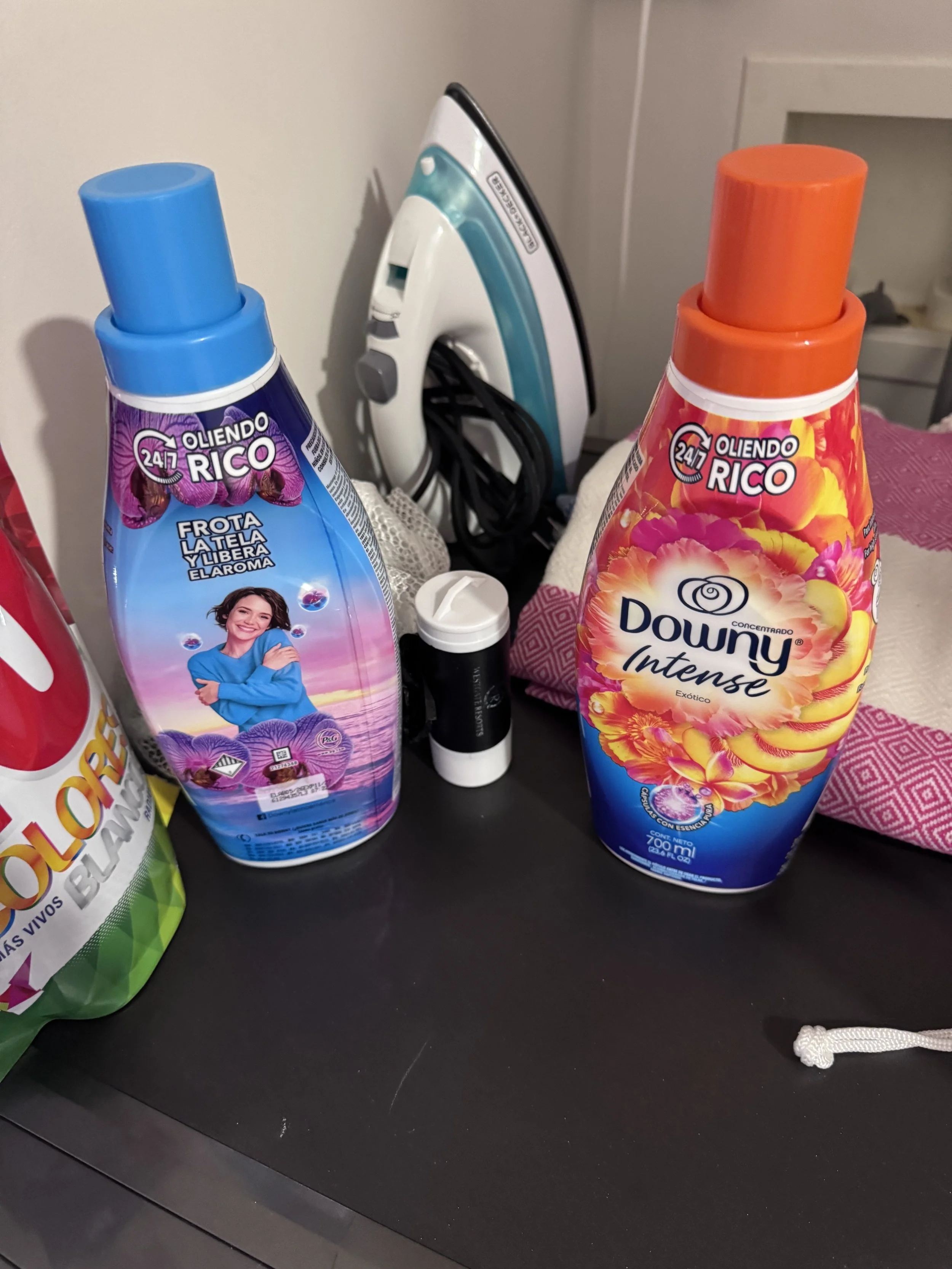
That may be one of the biggest differences between visiting somewhere and living there. When you are on vacation, you ask what there is to see. When you live somewhere, you ask where to buy detergent, where the pharmacy is, how much an Uber costs, which grocery store has what you need, and whether the thing you are looking for is called something completely different in Spanish. Those are the parts of daily life that never make it onto a tourism brochure, but they are exactly the things that start turning a foreign place into somewhere familiar.
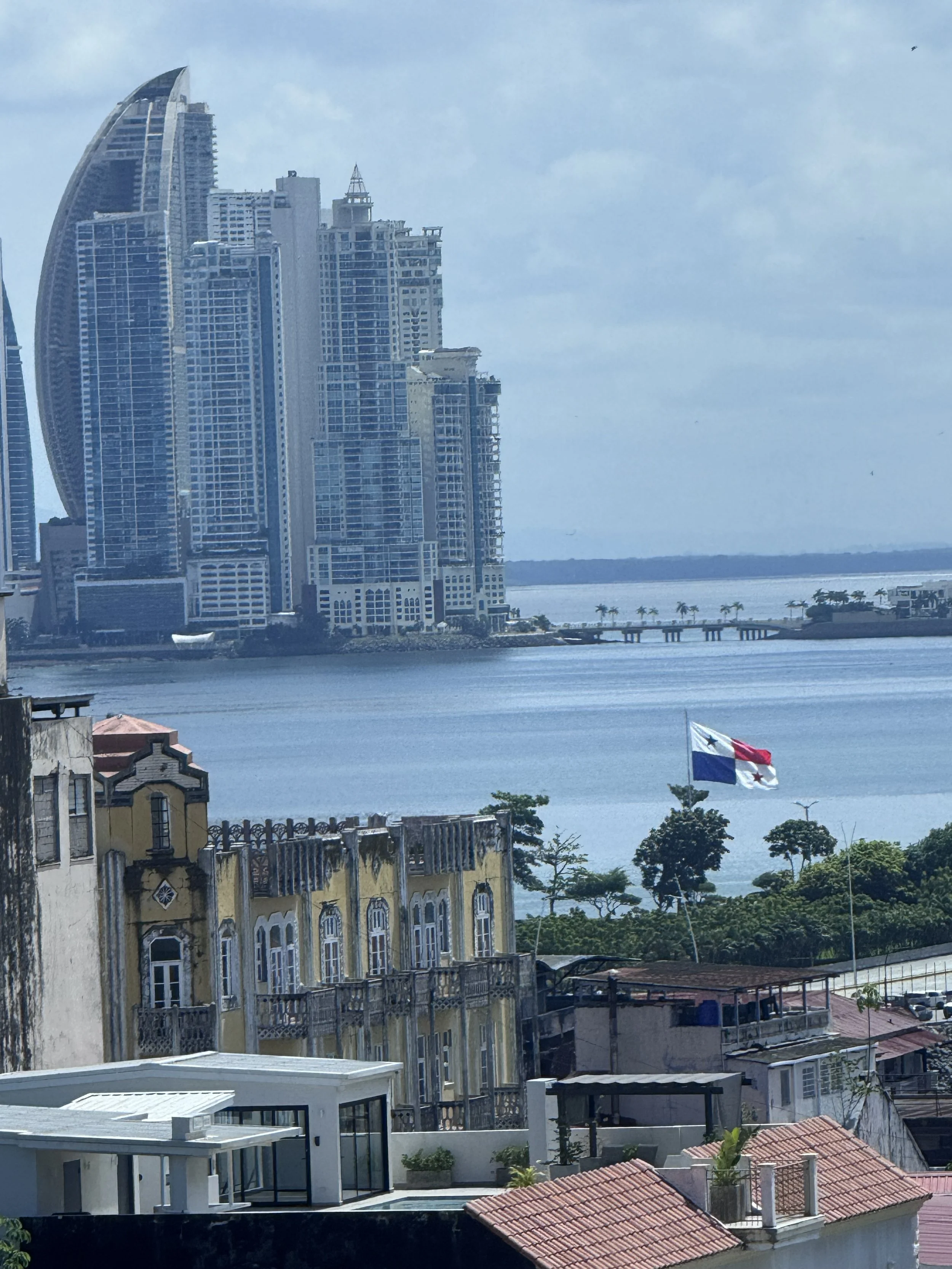
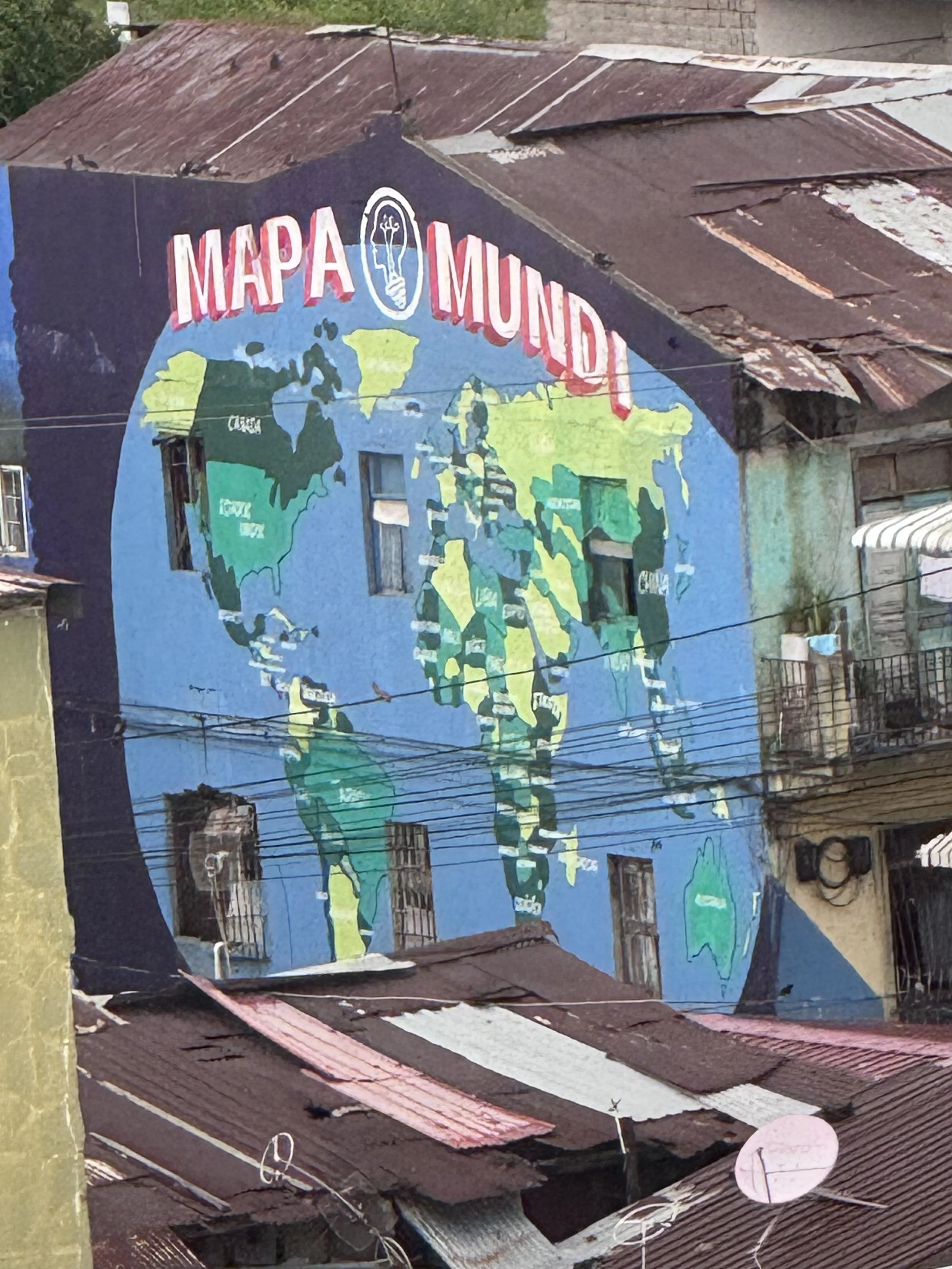
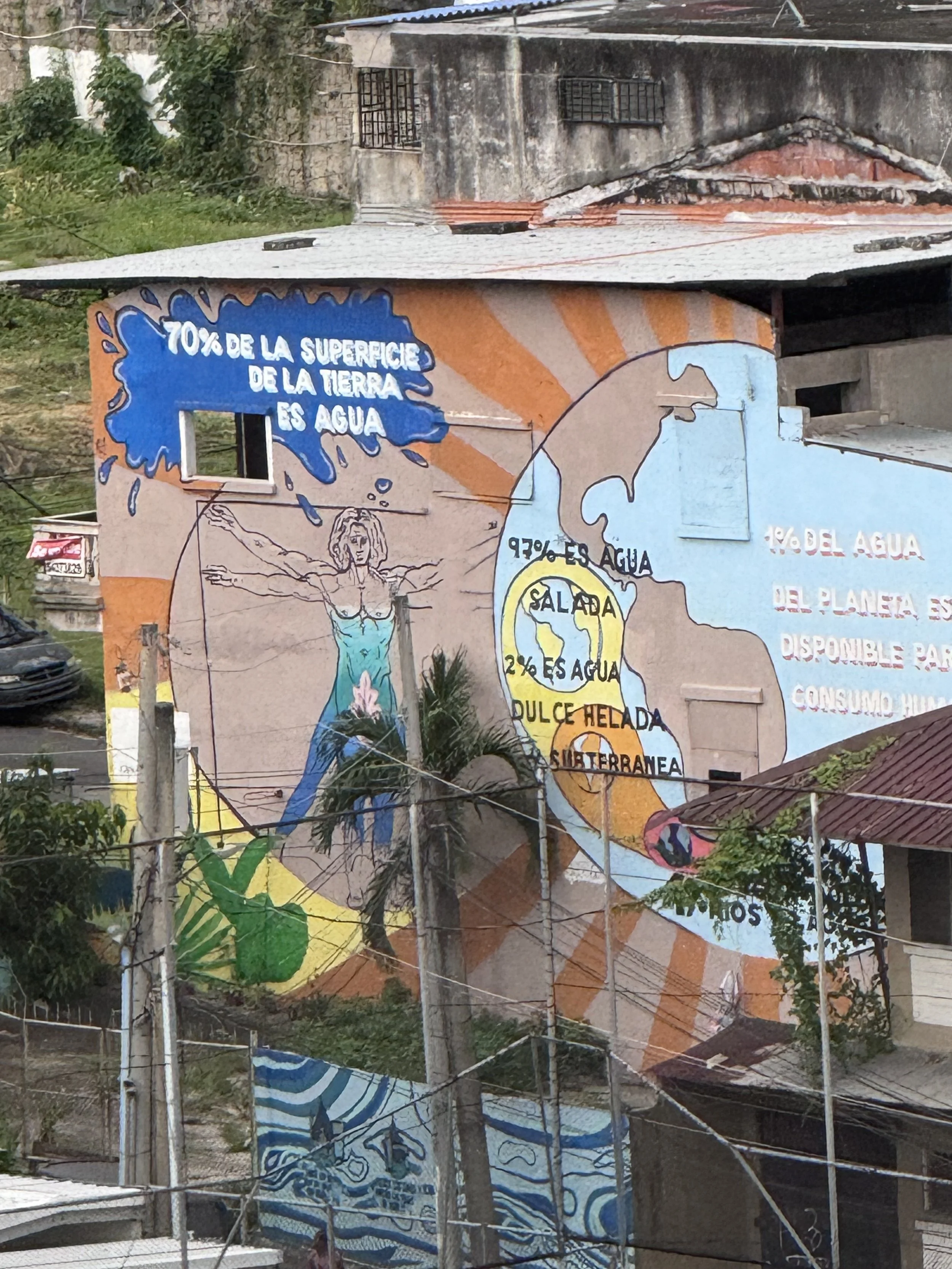
Uber has become one of our best tools for learning the city. In less than a week, we have used it to get to medical appointments, Tower Financial for Pensionado and notary work, Panama Art Supply, different stores, and various errands around the city. Most of the rides have only cost a few dollars, which is still something I find surprisingly reasonable, but the real value has been seeing the city one ride at a time. Every trip gives me another look at Panama City: the way one neighborhood changes into another, the mix of old buildings and new towers, the traffic patterns, the storefronts, the local businesses, the areas that feel polished, and the areas that feel very much lived in.
Those Uber rides have also become some of our first real opportunities to practice Spanish. We are learning, and right now that means plenty of moments where I say something badly, someone tries to answer in English, and we both work our way toward understanding. What has impressed me most is how patient people have been. There have already been several interactions where someone could have easily become frustrated with us, but instead they slowed down, tried another word, smiled, or found some other way to get the point across. Those little exchanges have stayed with me because they tell me something about the people here that I could never learn from a travel article.
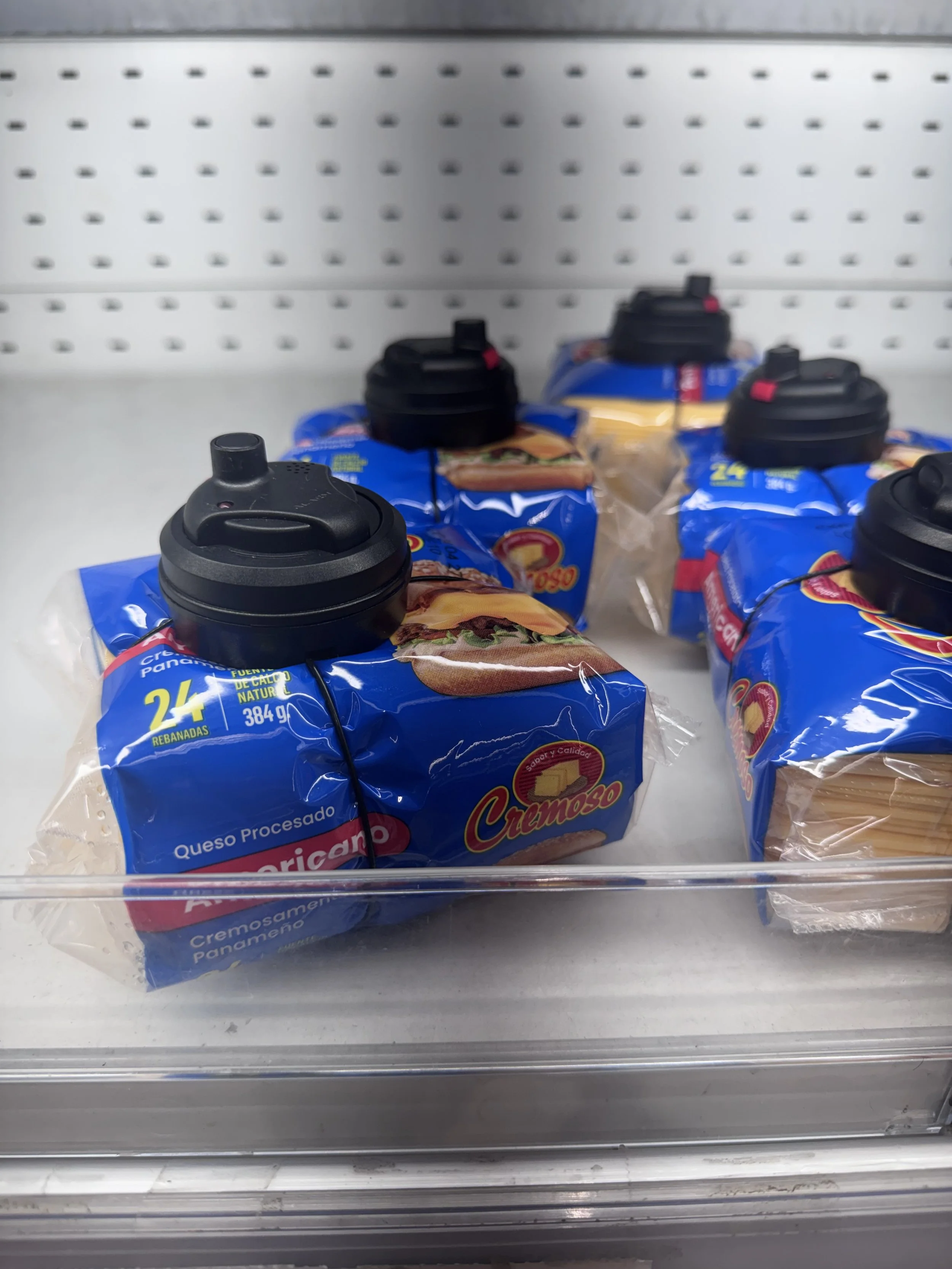
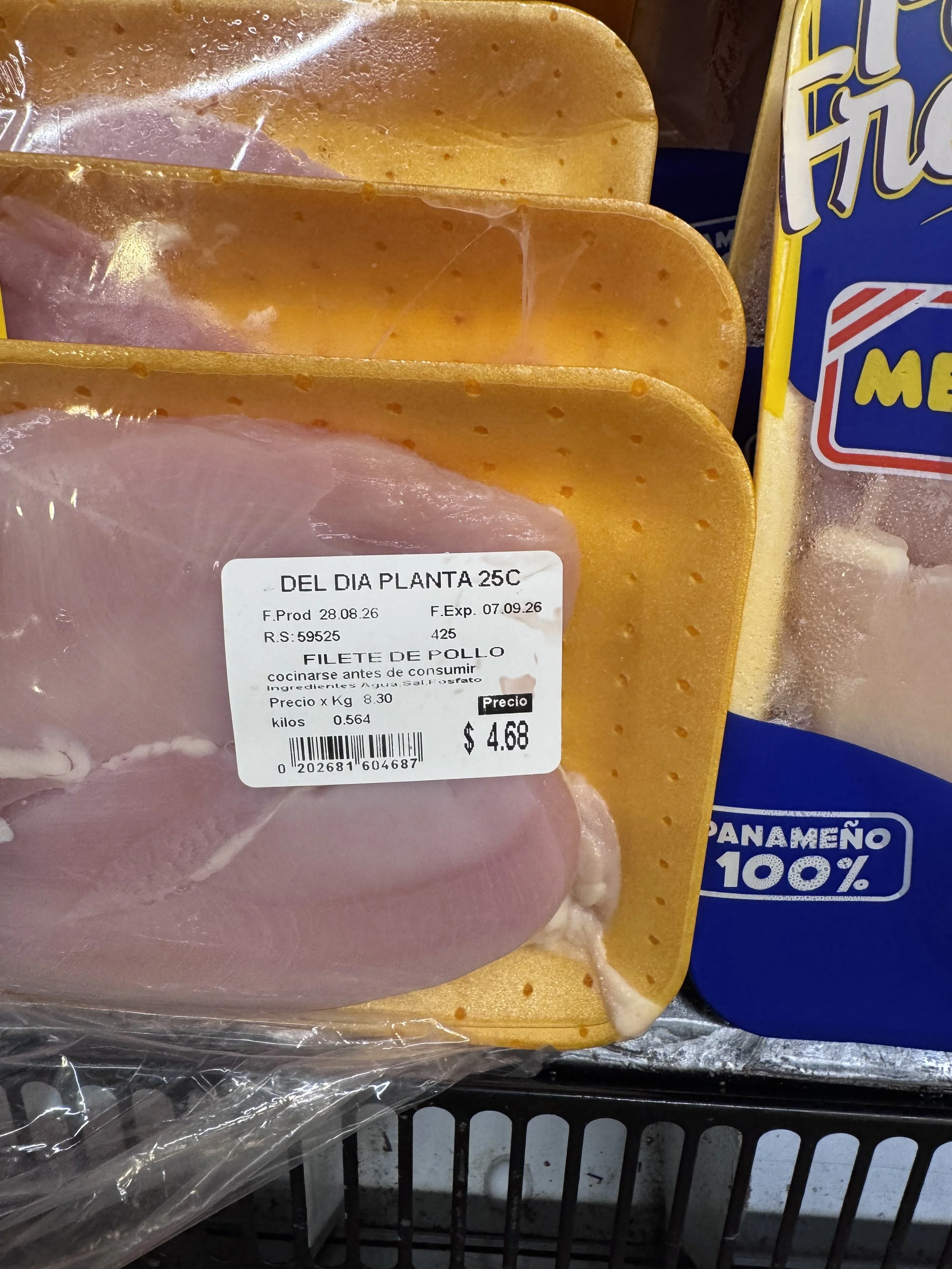
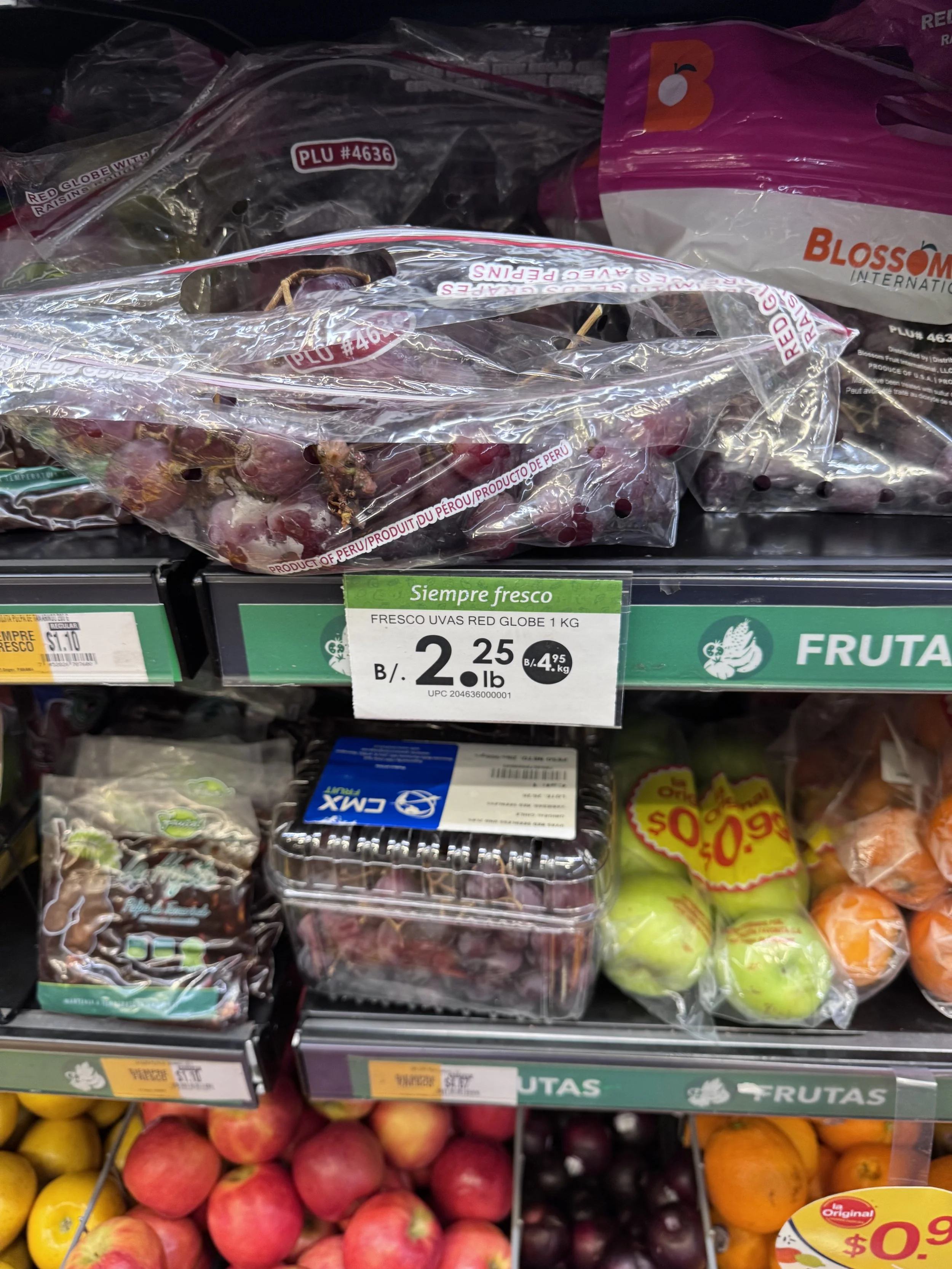
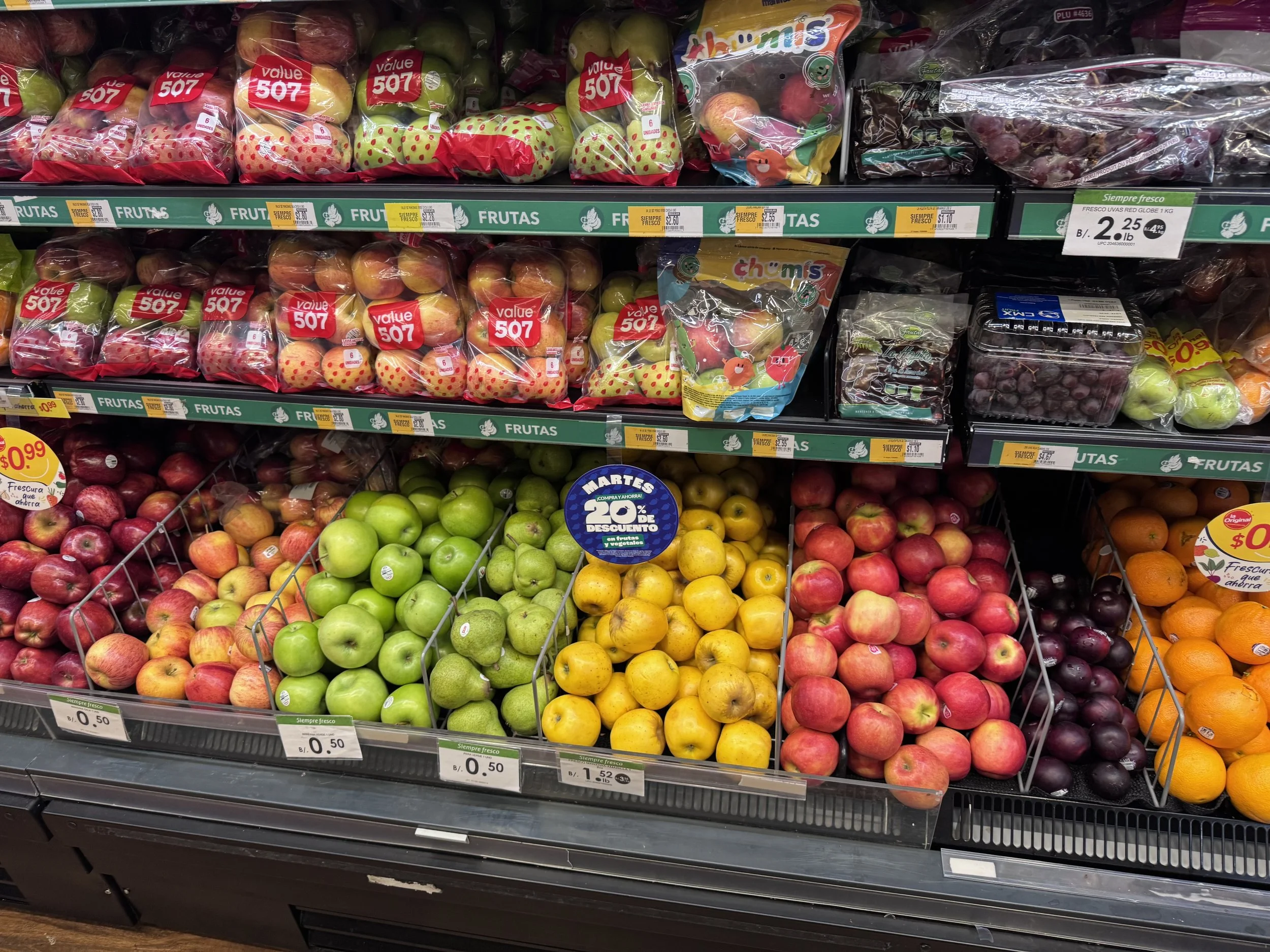
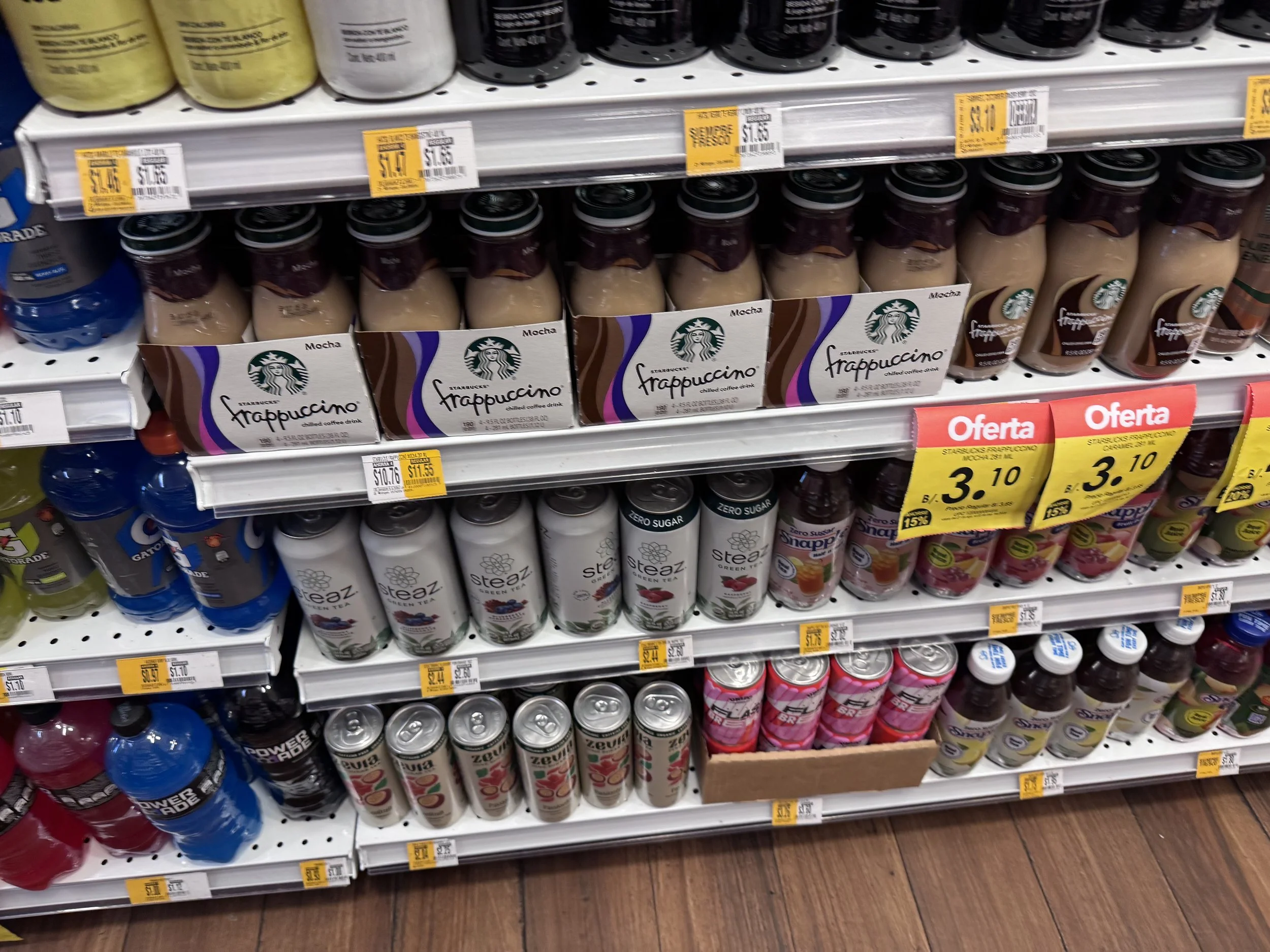
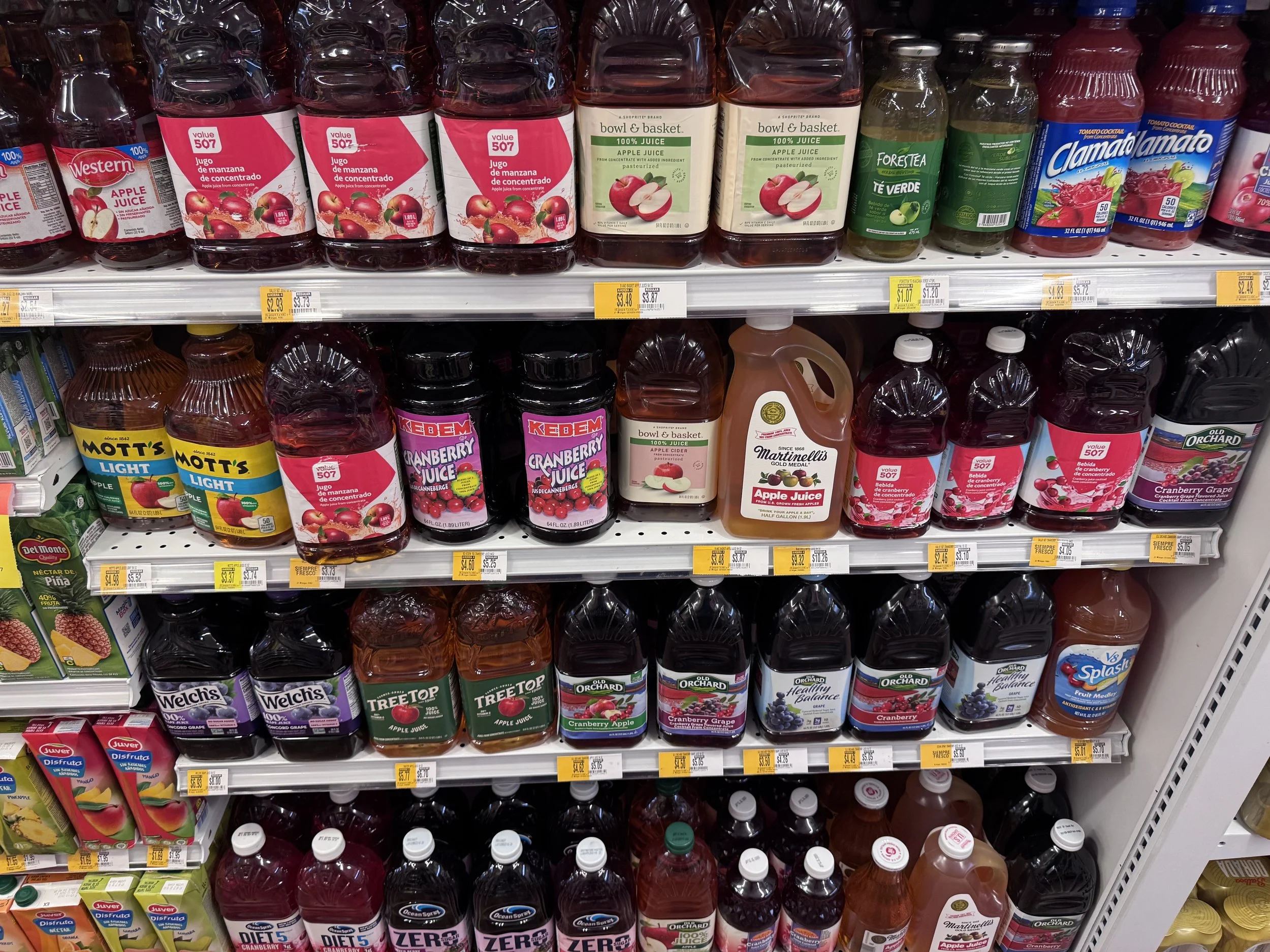
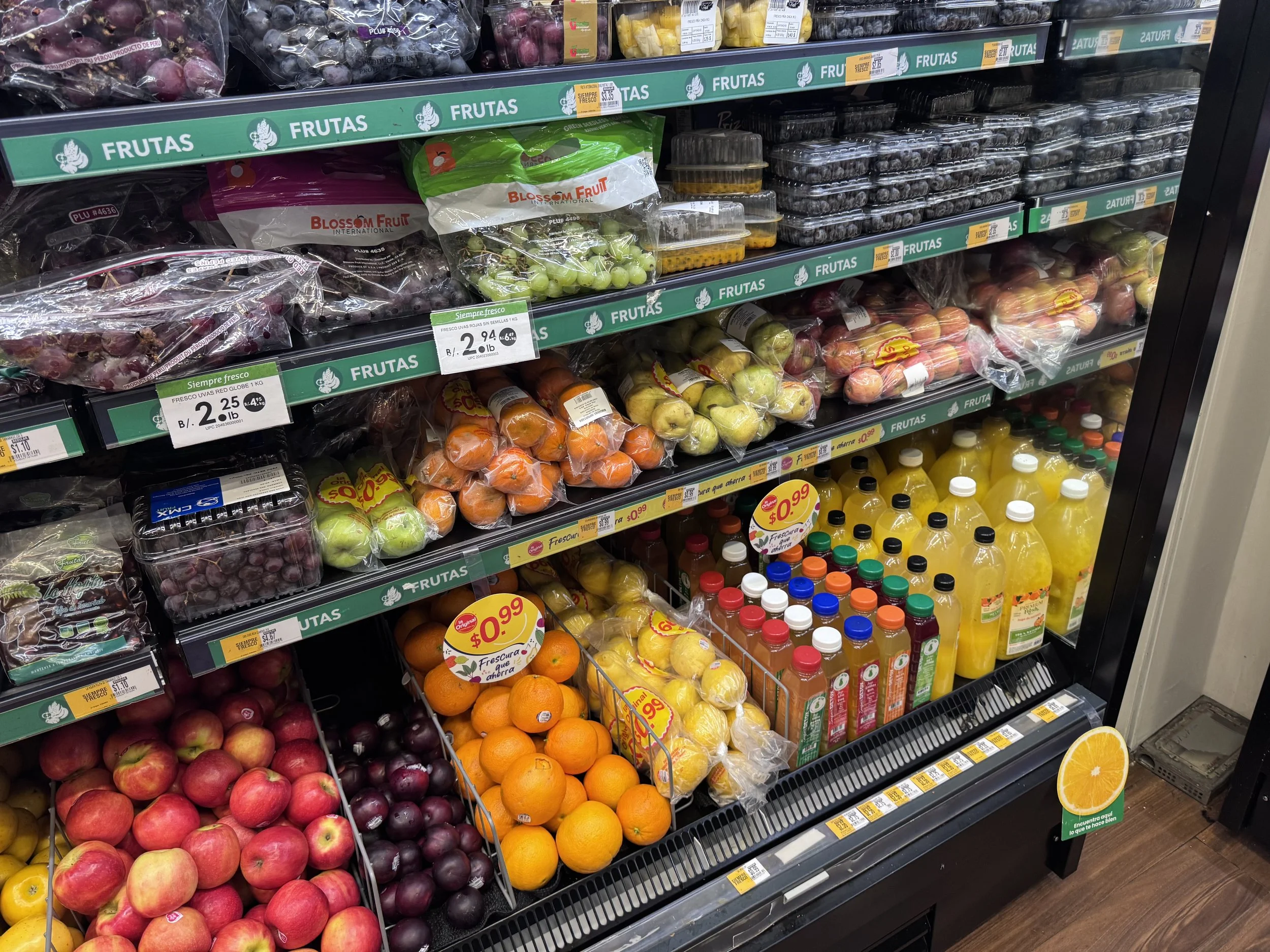
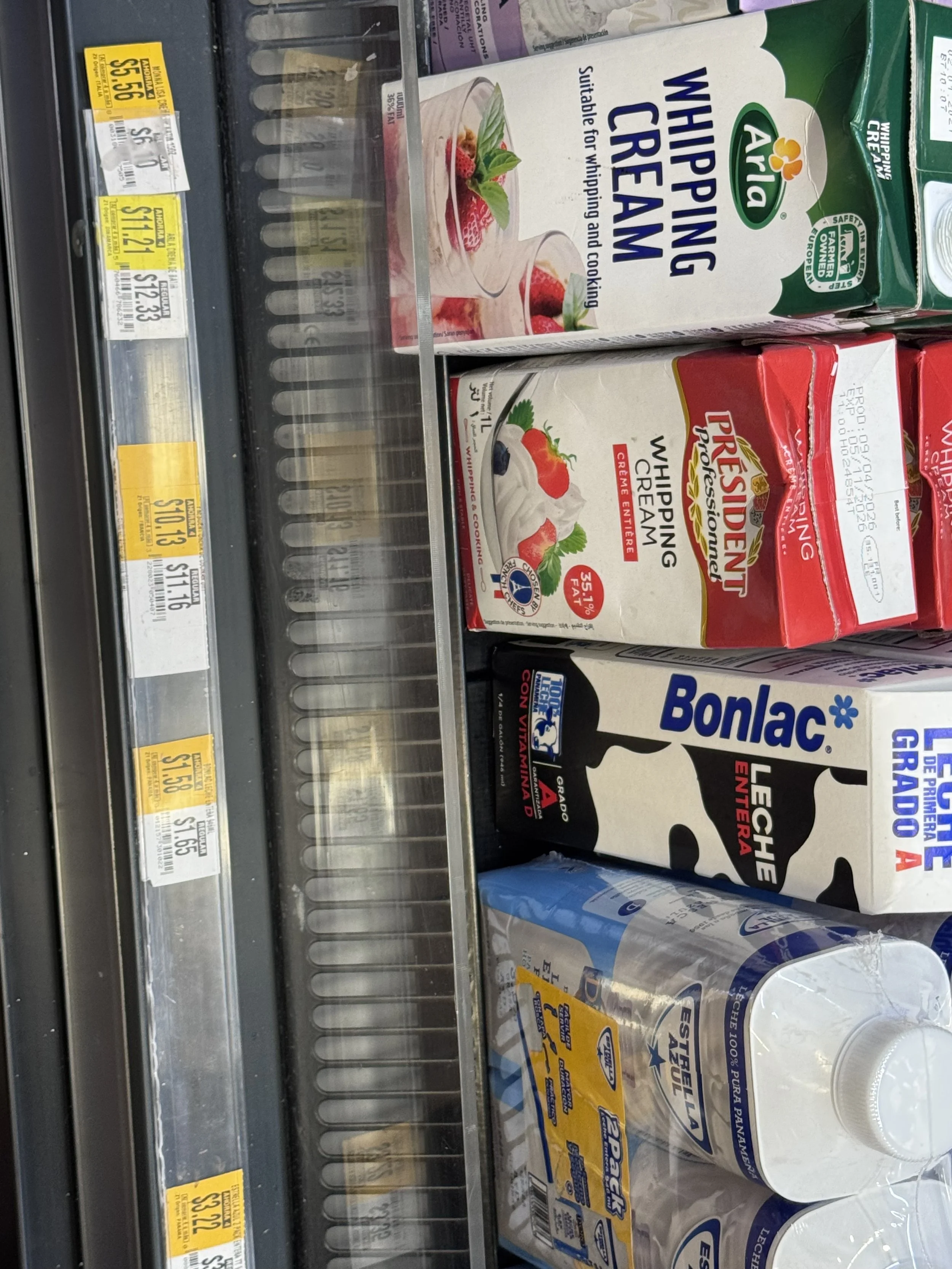
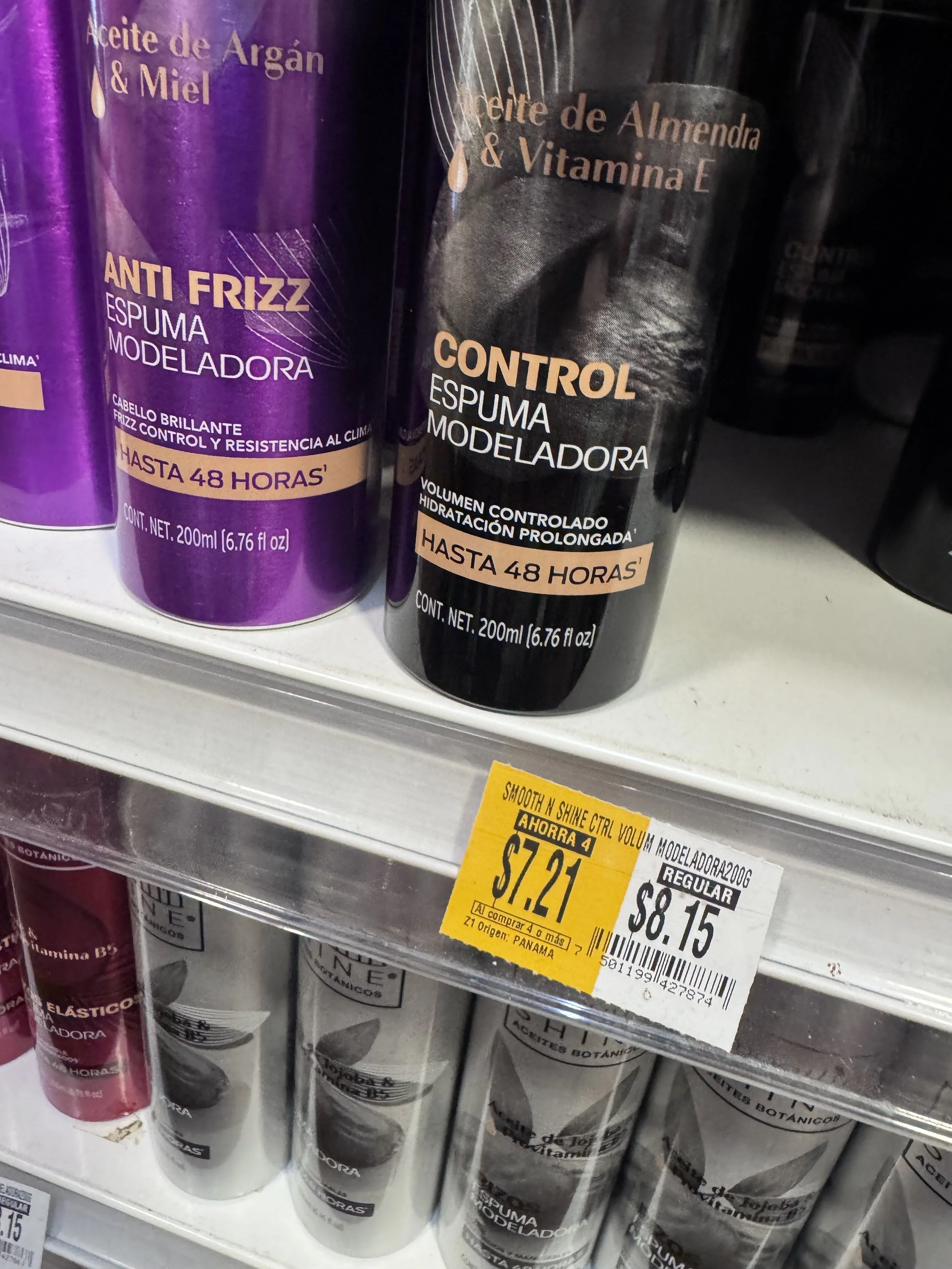
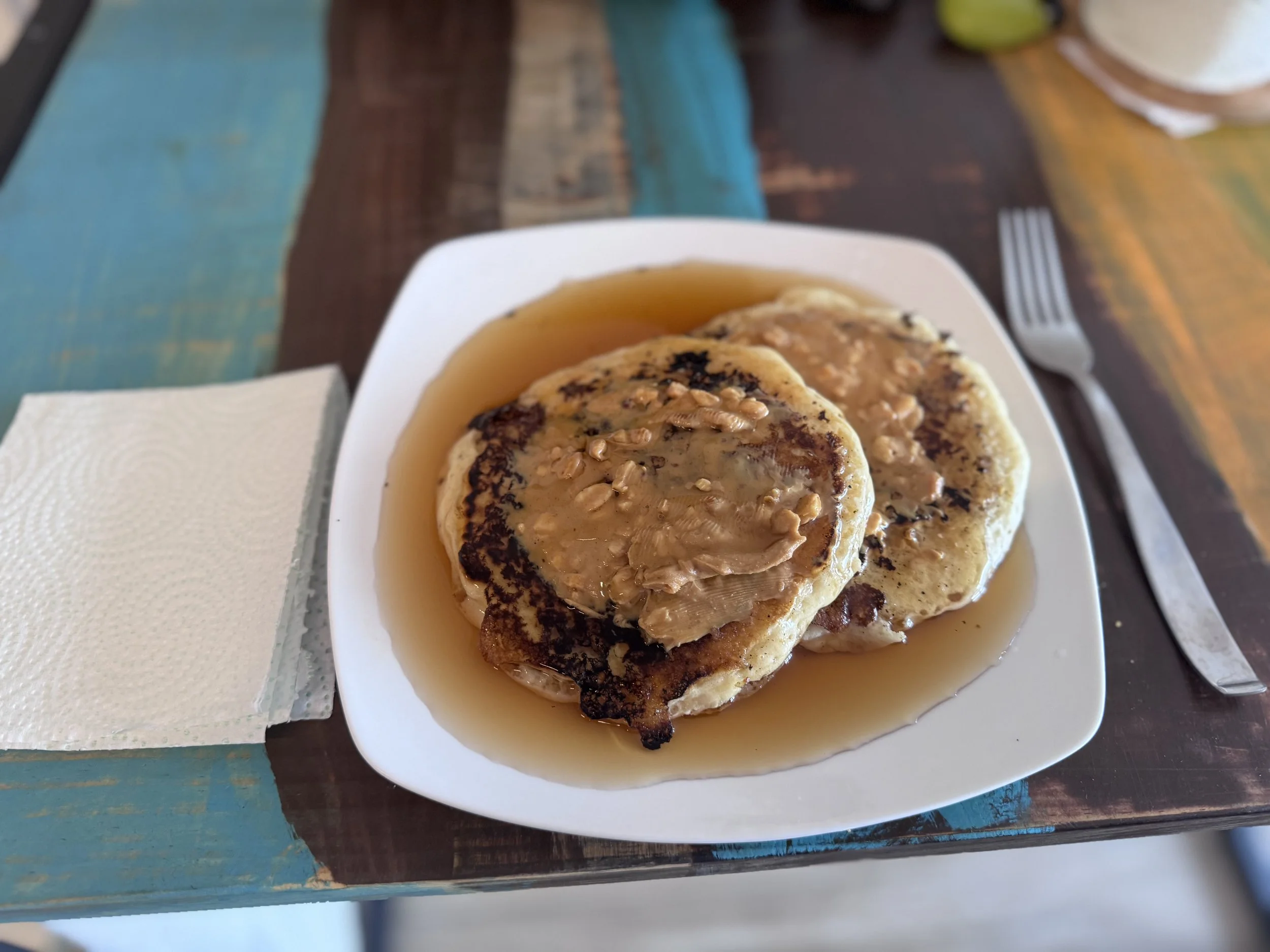
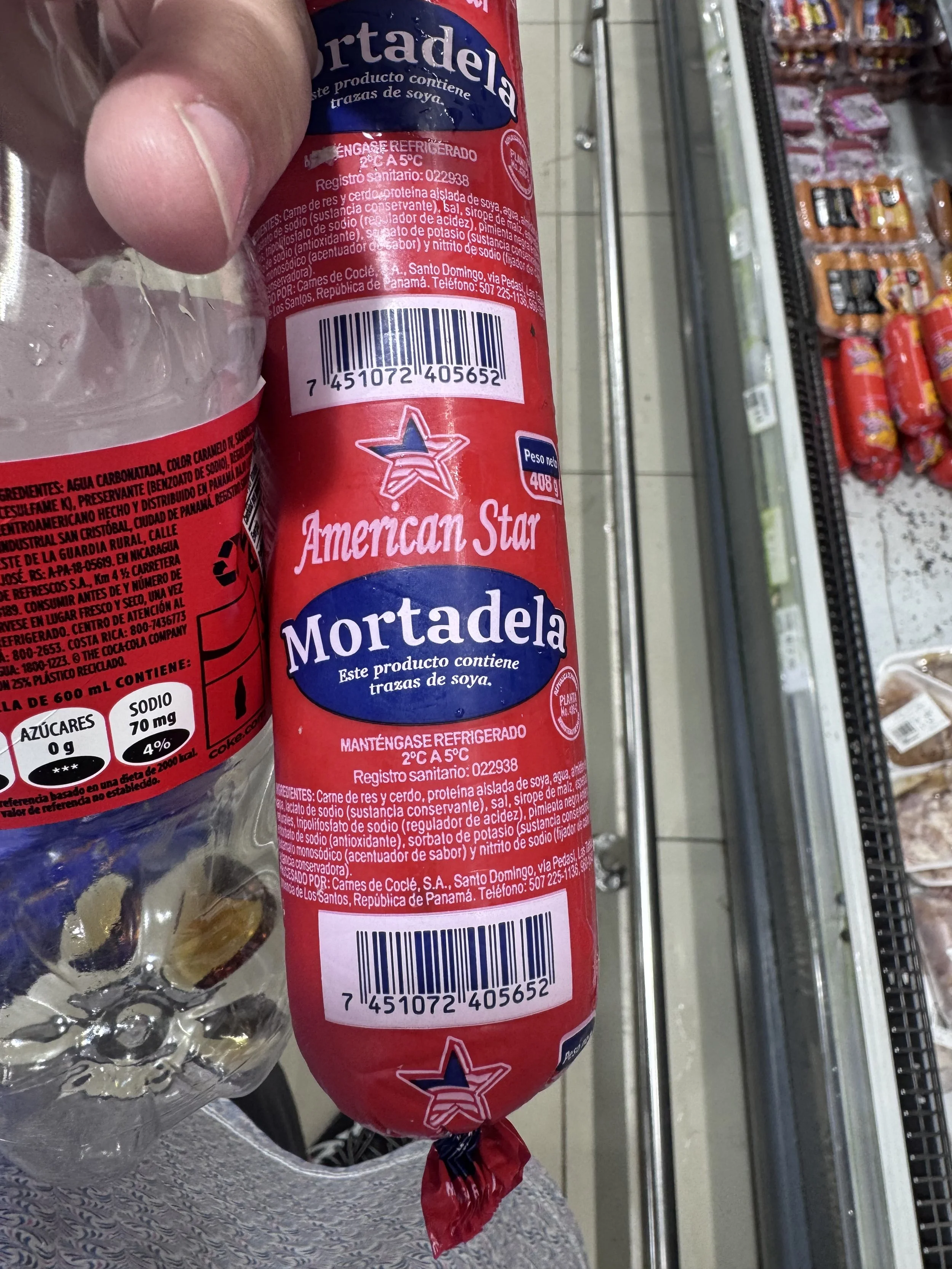
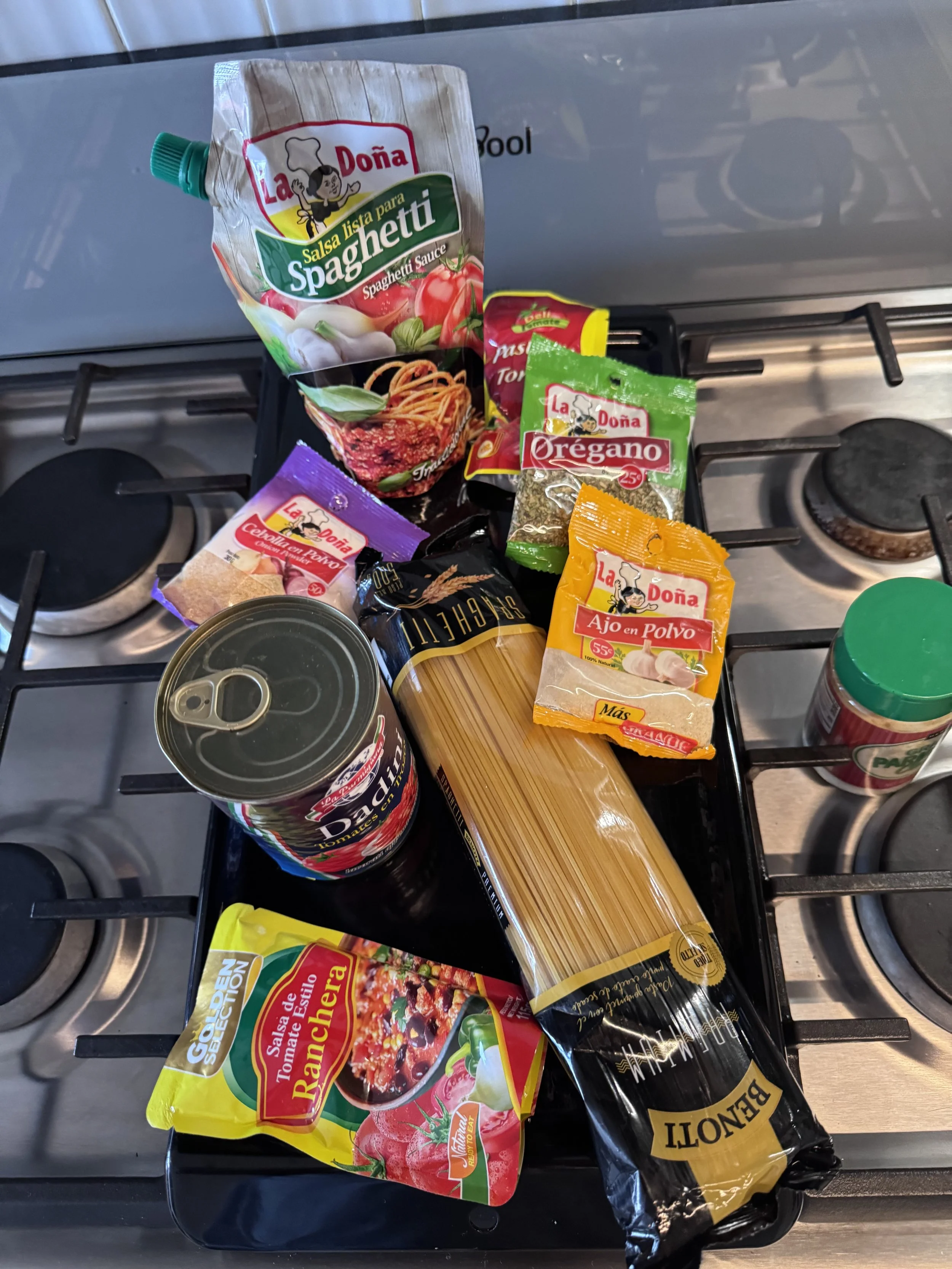
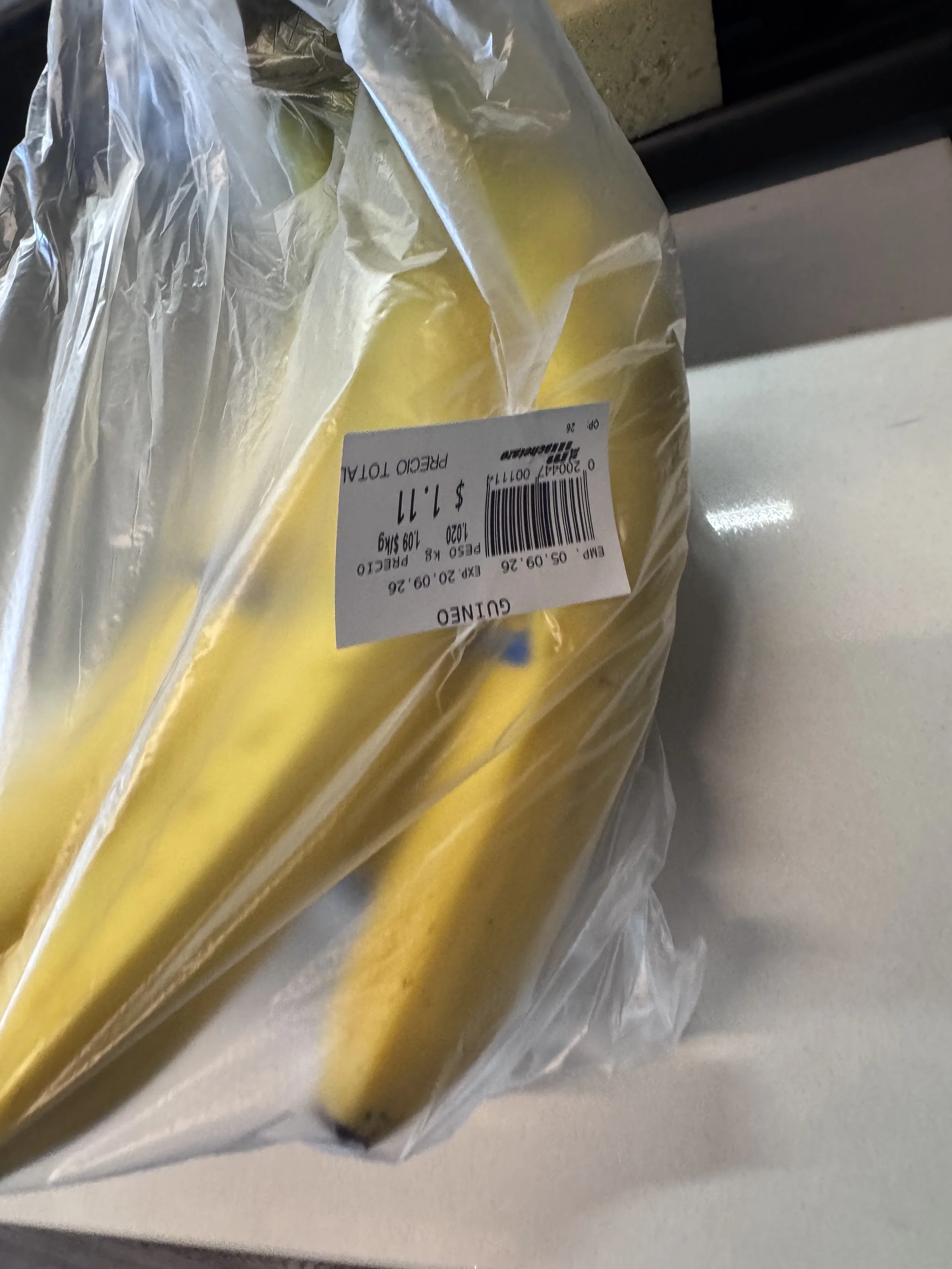
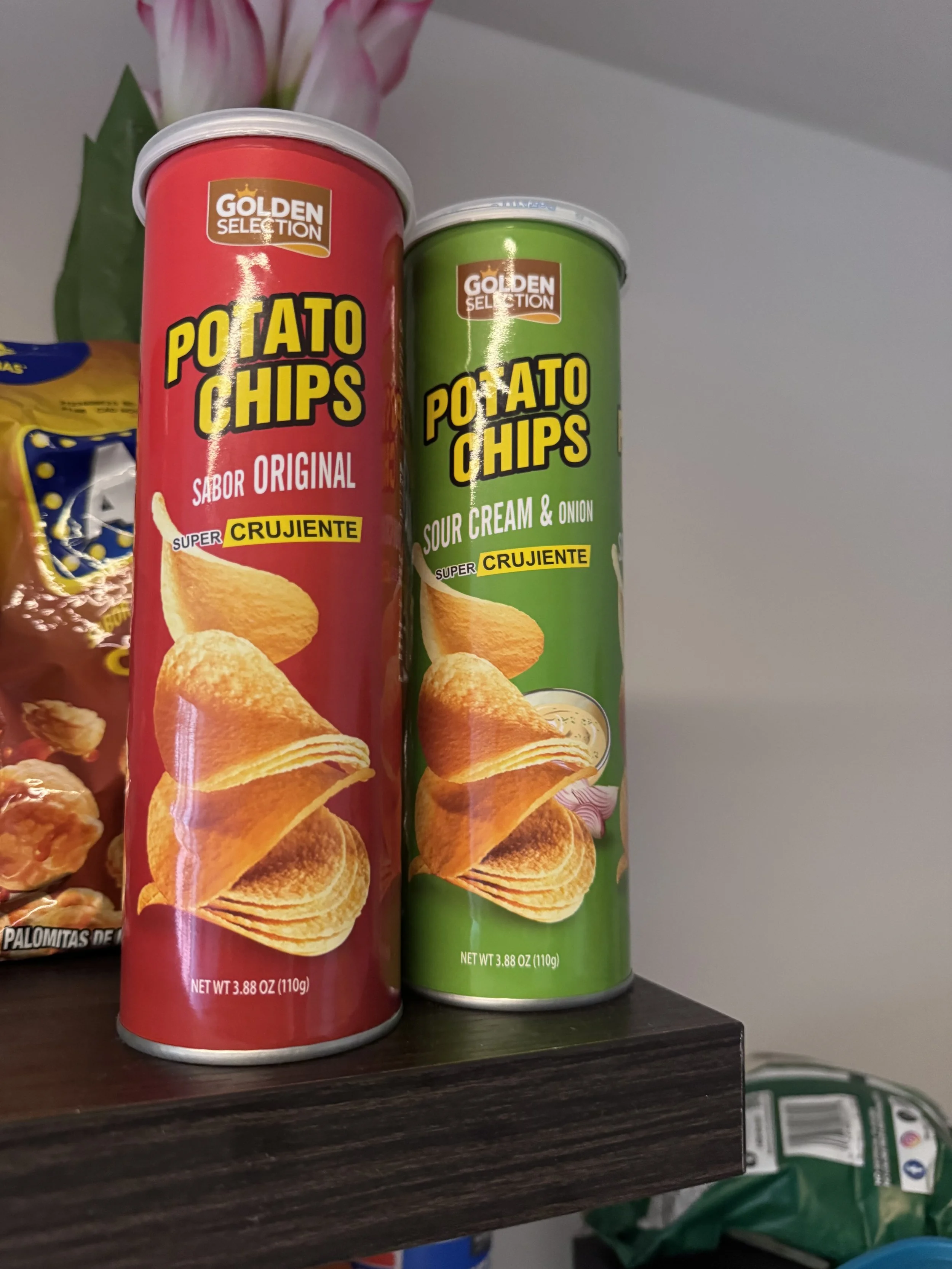
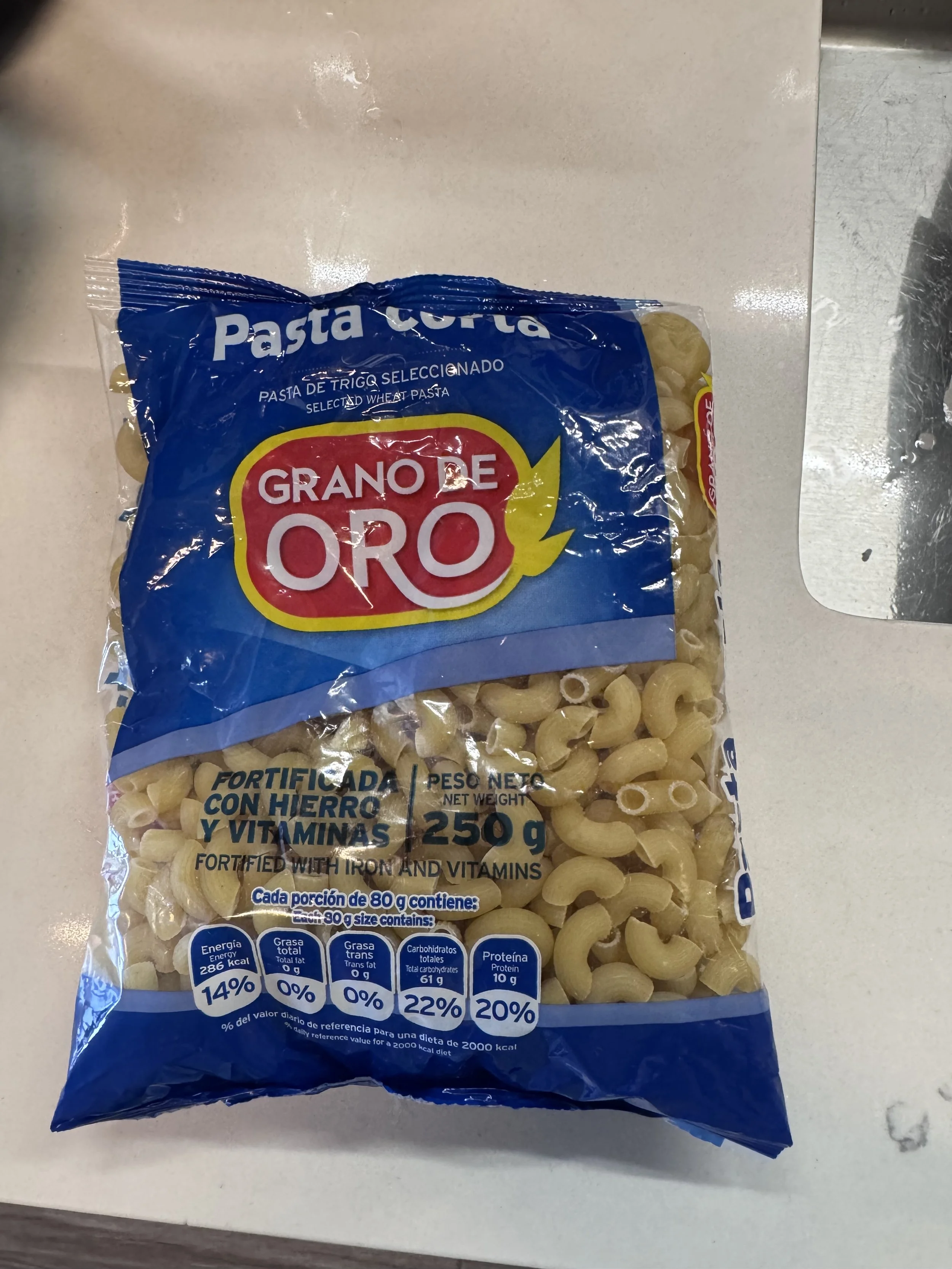
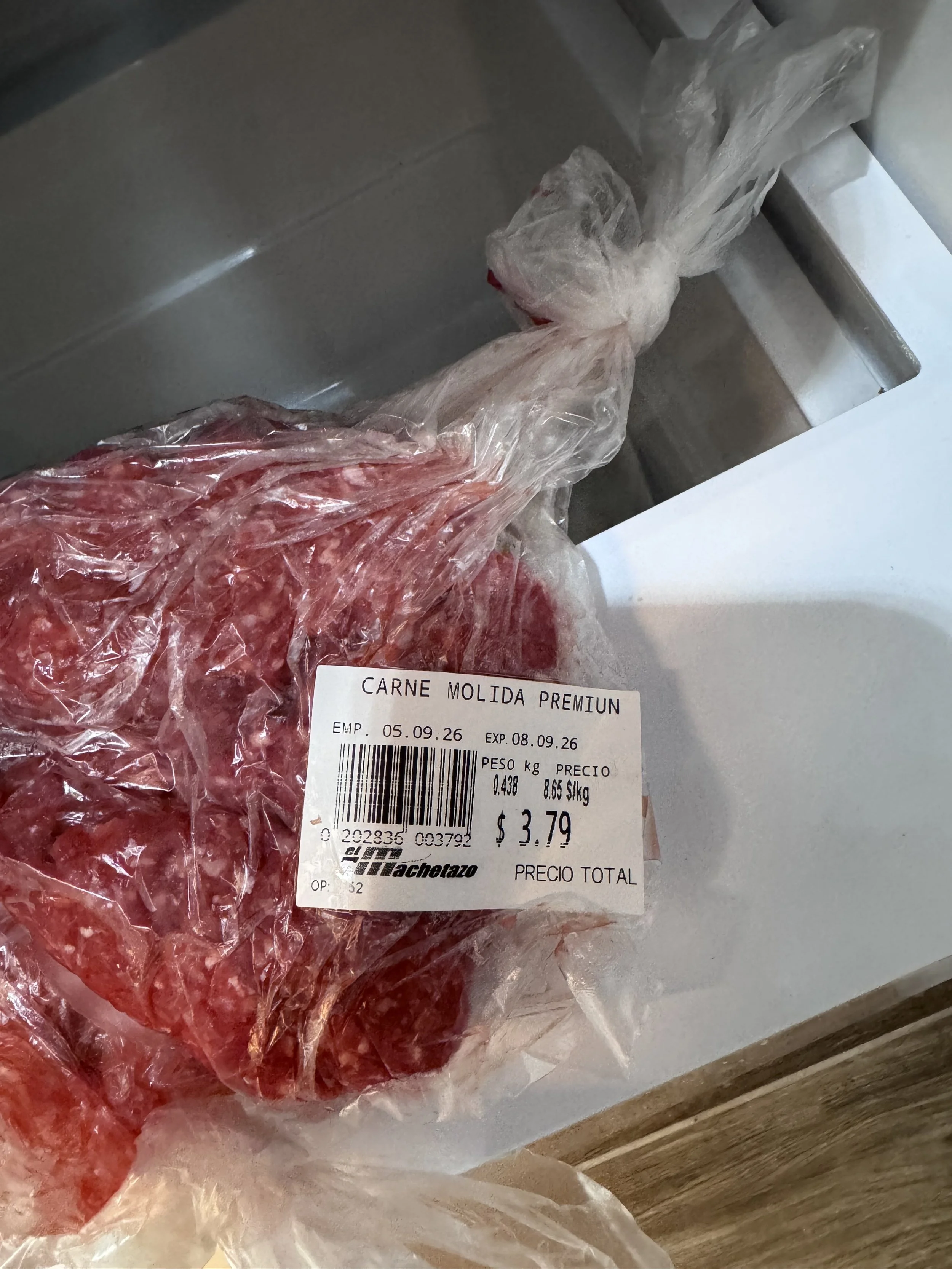
The grocery stores have been another education. We have already shopped at Mr. Precio, Rey Casco Viejo, and El Machetazo, and each trip has been part errand and part discovery. Grocery shopping is one of those ordinary activities that tells you a lot about a place: what people eat, what products are common, what is imported, what is inexpensive, and what somehow costs more than you expected. We are learning brands, comparing prices, and figuring out which places make sense for different things. Some of our cash has gone toward groceries, some toward the dogs’ entry process, and some toward the small everyday purchases that come with starting over.
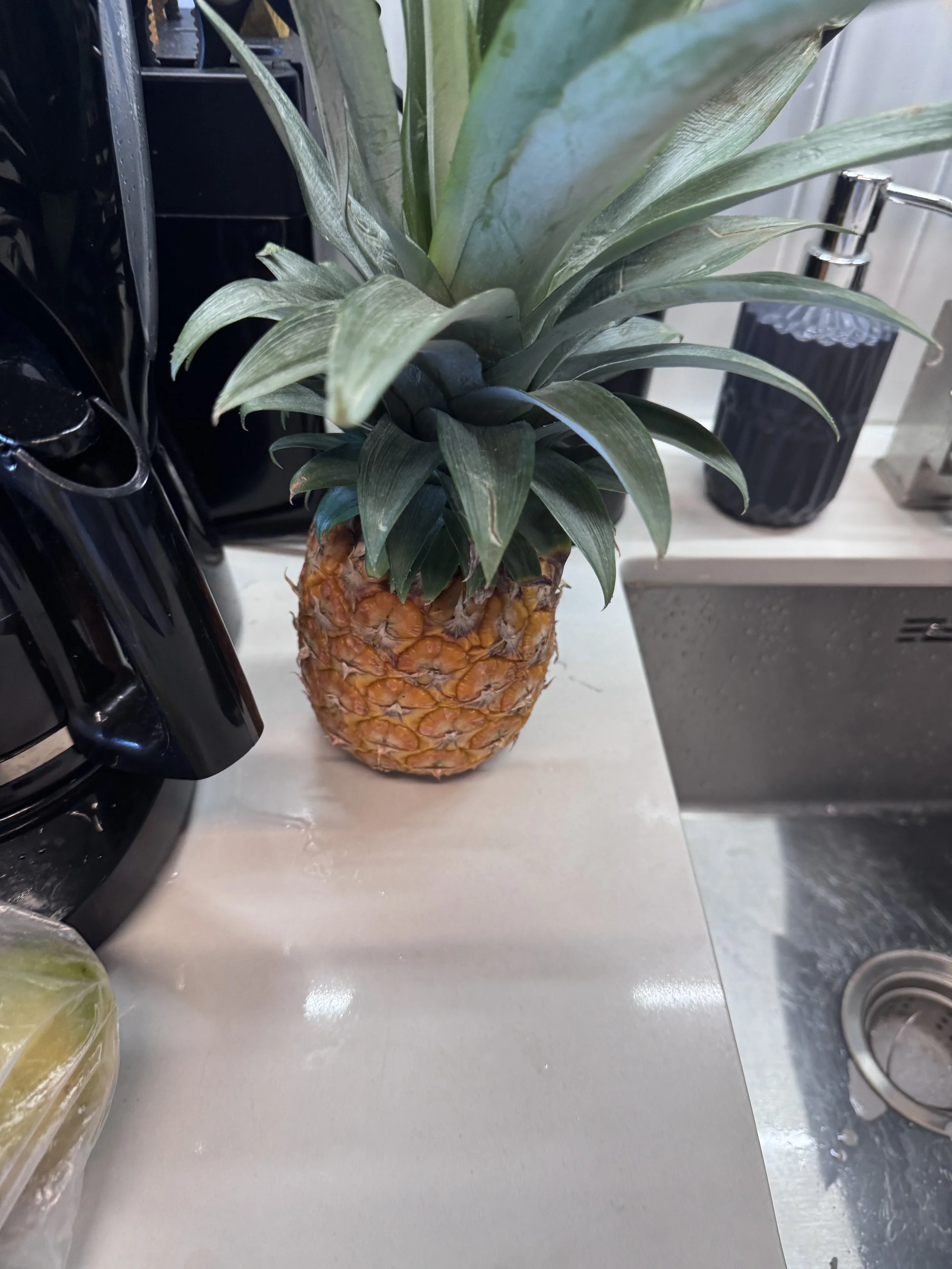
One of my favorite purchases so far was a pineapple from a vendor outside El Machetazo. It cost fifty cents. It was smaller than the pineapples I was used to buying in the United States, but it was also one of the sweetest I can remember eating. That little pineapple stuck with me because it represents exactly the kind of detail I want this blog to preserve. I do not want to remember only the major milestones. I want to remember the fifty-cent pineapple, the first grocery store where I did not recognize half the brands, the first time I ordered something in Spanish and was understood, and the small everyday moments that make a place begin to feel real.
There have also been plenty of practical reminders that moving abroad is not the same thing as taking an extended vacation. Residency has meant appointments, documents, fees, signatures, and notary work. The driver’s-license process introduced another wrinkle when I realized we needed our physical U.S. licenses here in Panama. They were still in Texas, so my son had to send them by FedEx Priority at a cost of about $200. It is exactly the kind of expense that never shows up in the simplified version of “what it costs to move abroad,” but it is part of the real experience. There is always one more document, courier charge, fee, or unexpected step that sits between the big categories.
Healthcare also became real almost immediately. It is one thing to research hospitals, pharmacies, and insurance from the United States. It is another thing to actually need a doctor, need medication, and figure out how the system works when you are already here. We had to do that within our first week, and while I would have preferred not to need medical care so soon, there was something reassuring about getting that first experience behind us. One more unknown became something we now understand a little better.
What has become clear after six days is that we are not on vacation, and that is exactly what we wanted. There are beautiful moments, new places to see, and plenty of things that still feel exciting and unfamiliar, but there are also groceries to buy, appointments to make, dogs to care for, laundry to do, bills to pay, and routines to build. The goal was never to create a permanent vacation. It was to create a different kind of life.
We are still at the very beginning, and I would never pretend that six days is enough time to understand Panama. It is not. But six days is enough time to begin noticing things: how people treat you, how easy or difficult it is to get around, how much things cost, how different neighborhoods feel, how language shapes your daily interactions, and how many little victories it takes before a new place starts to feel less foreign.
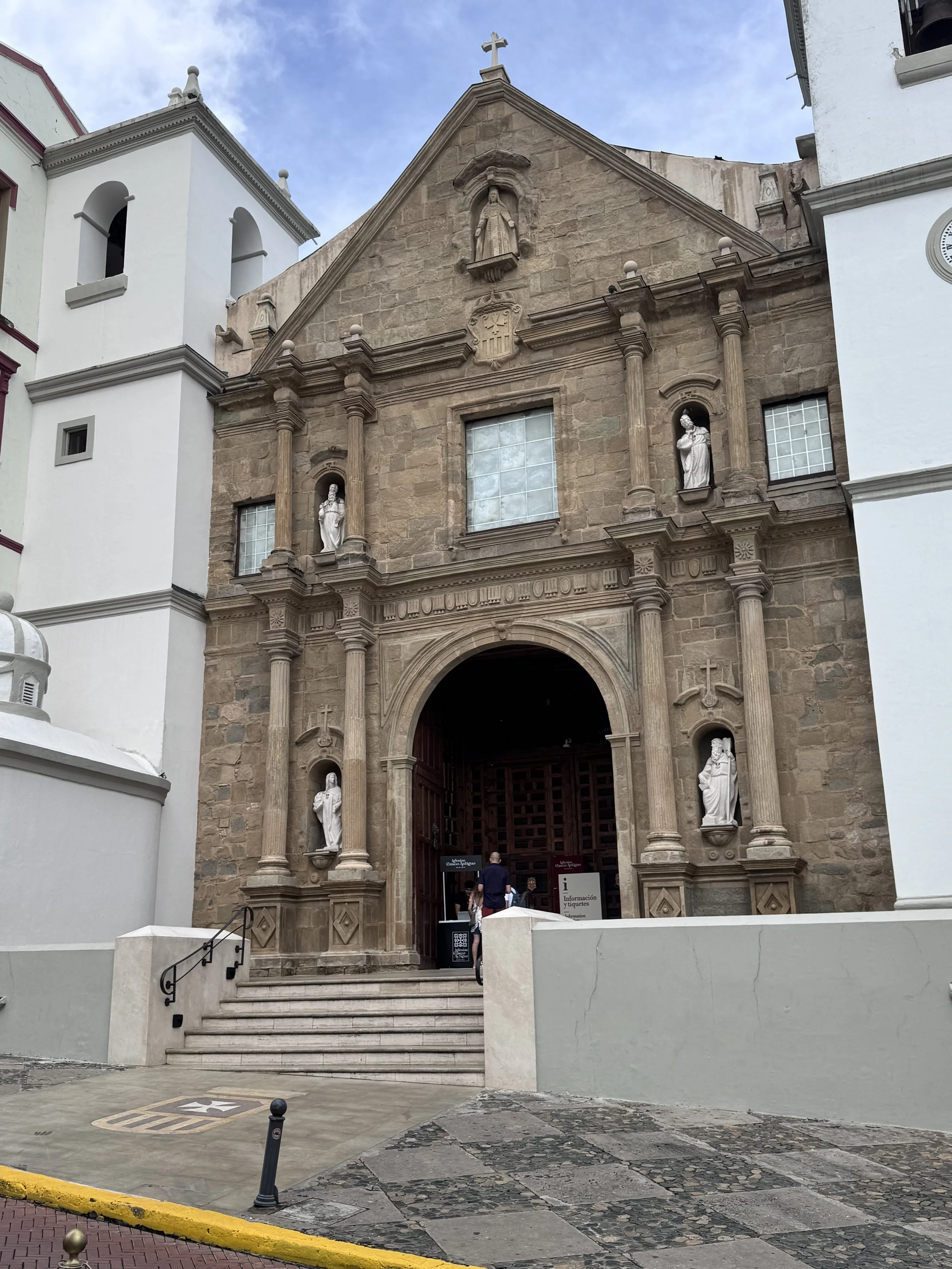
Soon, we will leave Panama City and head toward Bocas del Toro, where the rhythm will change completely. The city, the appointments, the towers, and the traffic will give way to boats, islands, beaches, and a very different way of moving through the day. That contrast is part of what drew us to Panama in the first place. There is still so much of this country we have not seen, so much history we have not learned, and so many people we have not met.
For most of my adult life, I was used to knowing what came next. There was always a schedule, a mission, a meeting, a deadline, or a career milestone. There is still planning in our lives now, of course, but there is also far more room for the unexpected. That is what I hope to capture here: not just where we go, but what we discover about the people, the culture, the history, the places, and ourselves as we move through it.
That is why I called this Life Beyond the Itinerary.
The itinerary gets you there.
The part worth remembering begins after you arrive.
